This year, the boundaries between fashion and technology blurred irreparably. With digital fashion poised to revolutionize the way we think about style, it’s hard not to wonder: will we still be dressing ourselves in 2026? The rise of immersive experiences and virtual try-ons is not just changing the way we shop for clothes, it’s redefining what we mean by ‘fashion’ itself. The question is: can we keep up?
For instance, last season’s most coveted trends didn’t so much hit the runway as debut on social media apps, where influencers and tastemakers touted the latest virtual ‘must-haves.’ And yet, amidst the virtual hype, there’s a growing awareness that digital fashion isn’t just a gimmick—it’s also a chance for the industry to rethink its sustainability, its inclusivity, and its very relationship to the planet. Like any industry looking to adapt to a rapidly changing world, the fashion world will need to confront its own digital ‘best practices’—including embracing the meilleures applications de shopping en 2026. Can digital fashion help heal the ecological wounds left by fast fashion? And what does it actually mean to wear a garment that exists only in code?
From Runway to Screen: How Digital Fashion is Redefining Style
From the catwalk to the screen, digital fashion is poised to revolutionize the way we consume and interact with style. Gone are the days of sifting through racks of clothes in the physical store, or scouring social media for inspiration. With the rise of digital fashion, retailers are now using immersive experiences and interactive technologies to bring style to life.
This shift towards digital fashion is not just about convenience; it’s about accessibility, empowerment, and ultimately, revolutionizing the way we shop for clothes. No longer confined to a specific season or size, digital fashion allows consumers to curate their own virtual wardrobes, free from the constraints of traditional retail.
The Virtual Wardrobe: How AI-Powered Fashion is Changing the Way We Shop
The Virtual Wardrobe: How AI-Powered Fashion is Changing the Way We Shop
The fashion industry is undergoing a seismic shift, with AI-powered technology transforming the way we think about and interact with our wardrobes. From virtual try-on to style recommendations, these innovations are redefining the shopping experience.
Take, for instance, the rising popularity of interactive digital fashion platforms. These immersive experiences allow users to upload selfies, try on virtual outfits, and share their favorite looks with friends. This gamified approach to fashion is not only entertaining but also empowering, as users take control of their style choices and curate looks tailored to their individual tastes.
As the market evolves, expect to see more fashion retailers integrate AI-powered tools into their shopping experiences. By leveraging machine learning algorithms, these platforms can analyze user behavior, provide tailored recommendations, and even predict future fashion trends. This symbiotic relationship between AI and fashion promises to revolutionize the industry, giving rise to a new era of personalized, immersive, and engaging shopping experiences that blur the lines between physical and digital retail.
Digital Dressing Rooms: Navigating the Blurred Lines Between Reality and Augmented Reality
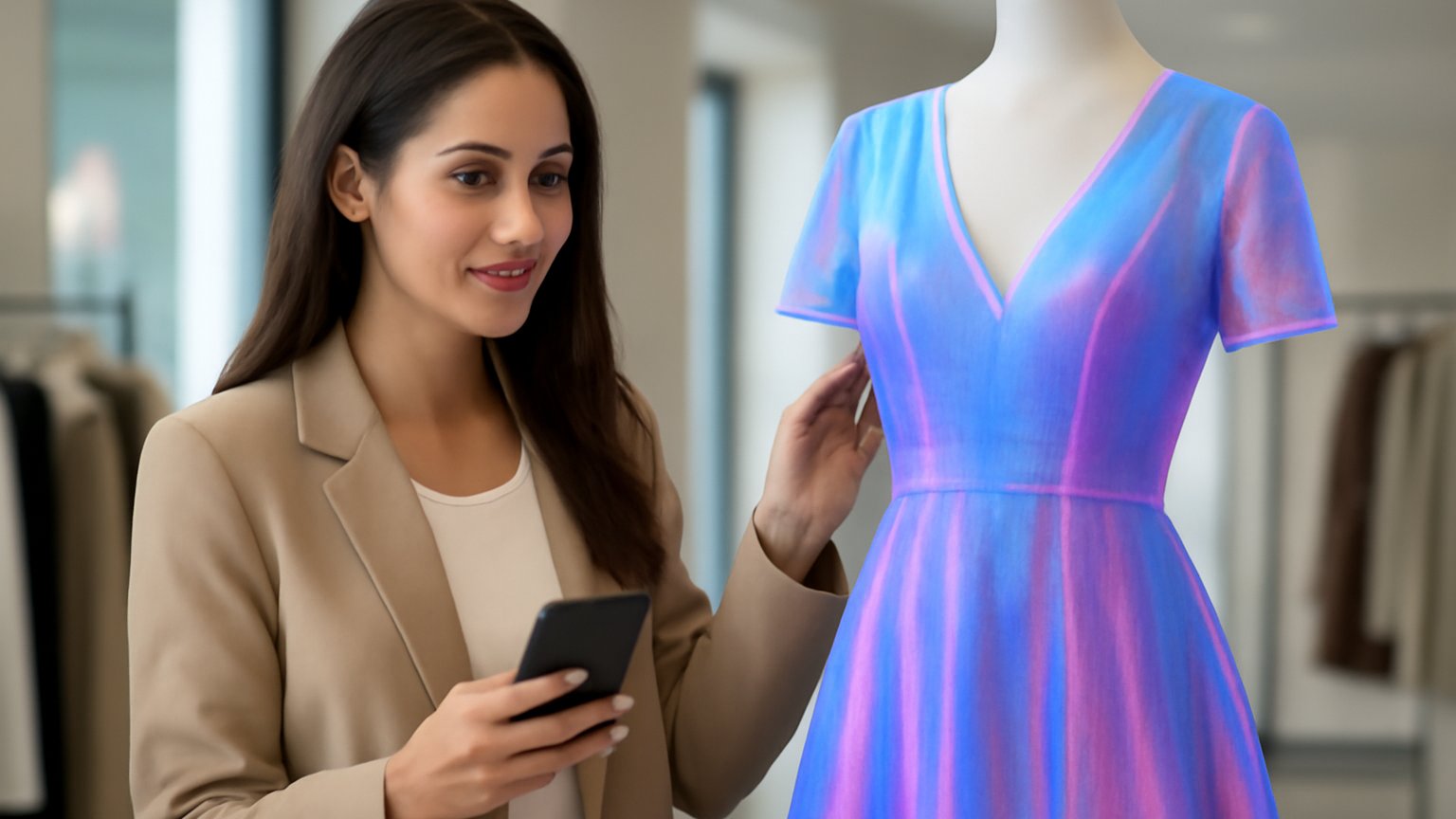
Digital dressing rooms are revolutionizing the way we shop for clothes. With the help of augmented reality, consumers can now try on virtual outfits, experiment with new styles, and even attend virtual fashion shows. As technology continues to advance, we can expect to see even more innovative tools and features emerging in the world of e-commerce. For instance, Elektrikli Motor Teknolojisi ve 2026’nın environmentally friendly transportation solutions will undoubtedly have a positive impact on the fashion industry’s carbon footprint.
- ☐ Familiarize yourself with the latest e-commerce platforms that offer augmented reality features
- ☐ Experiment with virtual try-on options to get a sense of how they work
- ☐ Consider the environmental impact of your fashion choices and opt for sustainable brands
- ☐ Stay up-to-date with the latest fashion trends and must-haves by following fashion influencers and bloggers
In 2026, the mejores applications de shopping en 2026 will be those that seamlessly integrate augmented reality and virtual try-on features. As consumers become increasingly tech-savvy, we can expect to see a rise in the adoption of these innovative tools. By embracing digital dressing rooms, the fashion industry can provide a more immersive and engaging shopping experience that meets the evolving needs of modern consumers.
The Sustainable Side of Digital Fashion: Can Virtual Garments Really Save the Planet?
As the digital fashion revolution gains momentum, a pressing question emerges: can virtual garments genuinely help save the planet?The latest innovations in digital design and production may hold the key to a more sustainable fashion industry.
The potential for digital fashion to reduce waste and minimize environmental impact is vast. Traditional fashion production can be a highly polluting process, involving massive amounts of water, energy, and chemicals. By designing and showcasing garments digitally, brands can significantly minimize their carbon footprint and reduce waste. The question remains, however, whether this shift will translate to meaningful change in the industry’s environmental practices and consumer behaviors.
As the fashion world continues to evolve, it will be crucial to monitor the impact of digital fashion on the environment and consumers alike. Will this new medium drive a more sustainable and responsible approach to fashion, or will it simply create new avenues for mass production and consumption?
The Dark Side of Digital Fashion: Exploring the Ethics of Virtual Luxury and Fast Fashion
The Dark Side of Digital Fashion: Exploring the Ethics of Virtual Luxury and Fast Fashion
As the digital fashion landscape continues to expand, consumers must be aware of the consequences of their virtual purchases. While digital fashion provides unparalleled opportunities for creativity and self-expression, it also perpetuates unsustainable and unethical practices. Virtual luxury brands often rely on cheap labor and inadequate working conditions to produce their digital garments, mirroring the issues plaguing the traditional fashion industry.
The use of augmented reality and artificial intelligence in digital fashion has also raised concerns about data privacy and security. Companies are collecting vast amounts of user data to create digital avatars and simulate shopping experiences, but this information can be vulnerable to cyber attacks and misused for targeted advertising.
- Step 1: Research the brand’s manufacturing processes and labor practices to ensure they align with your values.
- Step 2: Be mindful of the data you share online, and only provide information necessary for a smooth shopping experience.
- Step 3: Explore more sustainable and responsible digital fashion options, such as second-hand or repurposed digital garments.
- Step 4: Engage with digital fashion communities and forums to stay informed about the industry’s latest developments and ethics concerns.
For a more enjoyable and guilt-free digital shopping experience, consider investing in The Ultimate Toolkit for Crafting exceptional web experiences. This comprehensive guide will help you navigate the digital fashion landscape with confidence and make informed choices that align with your values.
In the end, consumers have the power to shape the future of digital fashion by prioritizing sustainability, ethics, and transparency in their purchasing decisions. By being aware of the potential consequences of our virtual purchases, we can create a more responsible and equitable digital fashion industry.
The Digital Revolution is Just Getting Started
As we close the chapter on 2026’s digital trends, it’s clear that fashion has undergone an unprecedented transformation. From catwalks to screens, the industry has successfully integrated technology to redefine style, shopping, and sustainability.
The days of rummaging through racks or browsing through physical stores are slowly fading away. With the rise of meilleures applications de shopping en 2026, consumers are now more empowered than ever to curate their dream wardrobes, discover emerging designers, and make informed choices about the brands they support.
The line between reality and augmented reality is increasingly blurred, but one thing is certain: the future of fashion lies in its ability to adapt, innovate, and make a positive impact on the planet.
So, as we move forward into the next era of fashion tech, the question remains: will we harness this power to create a more sustainable, inclusive, and equitable industry, or will we succumb to the same pitfalls that plagued traditional fashion? The choice is ours.
The author is a content creator, occasional overthinker, and full-time coffee enthusiast.