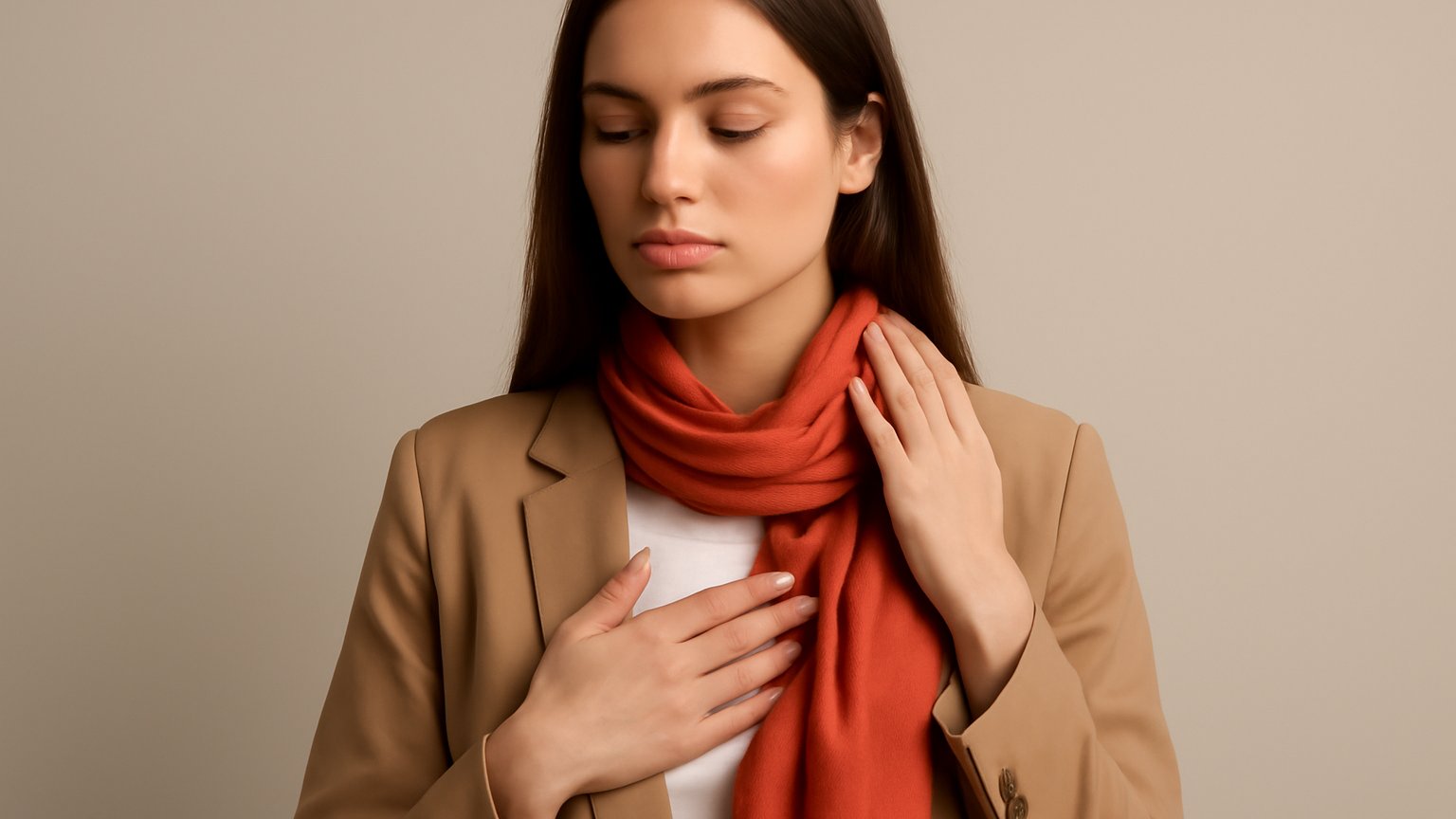
As the seasons change and our wardrobes refresh, it’s easy to overlook the health risks lurking in our closets. But what if the clothes we wear were not just a fashion statement, but a potential threat to our well-being? From synthetic fabrics that trap heat and moisture to tight-fitting garments that constrict blood flow, the science behind our clothing is as important as its style.
In fact, studies have shown that the right clothes can do more than just make us feel confident – they can actually impact our physical health. For instance, wearing loose-fitting clothing can help regulate body temperature, whereas tight clothes can cause discomfort, sweating, and even lead to skin infections. That’s why, when planning a wardrobe overhaul, it’s essential to consider more than just the aesthetic appeal of an outfit.
For example, looking for lightweight, breathable fabrics such as organic cotton, linen, or bamboo can be a great way to begin. And if you’re dealing with a specific health concern, like diabetes, consulting with a specialist at one of the best clinics for diabetes treatment near me can provide personalized advice on how to dress for optimal health.
The Silent Threat: Unveiling the Health Hazards Lurking in Your Wardrobe
As we primp and preen, it’s easy to overlook the hidden health risks lurking in our wardrobes. From the chemicals in our cosmetics to the allergens in our fabrics, the unsuspecting truth is that our clothing and beauty products can pose serious threats to our well-being.
Take, for instance, the case of formaldehyde, a known carcinogen used in the production of certain wrinkle-resistant fabrics. This toxic substance can cause respiratory problems, skin conditions, and even cancer. Furthermore, the rise of fast fashion has led to an alarming increase in textile waste, with millions of garments discarded each year, contributing to environmental degradation and health risks.
Fabric Science Meets Wellness: Materials That Do More Than Look Good
When it comes to fashion, the fabric is often the foundation of a garment’s overall aesthetic and functionality. But did you know that the type of fabric used can also have a significant impact on our physical health and wellbeing? From reducing sweat accumulation to regulating body temperature, the right fabric can make all the difference. For instance, some fabrics are designed to wick away moisture, while others provide natural breathability and ventilation.
Answer: Fabrics such as bamboo, organic cotton, and merino wool are popular choices for those seeking health-conscious textiles. These materials offer natural temperature regulation, moisture-wicking properties, and breathability, making them ideal for activewear and everyday clothing.
Another key aspect of fabric science is its relationship with skincare and allergies. Some fabrics, like polyester and nylon, can irritate skin and exacerbate conditions like eczema and acne. On the other hand, natural fibers like silk and linen are known for their gentle, soothing properties. By choosing fabrics that are hypoallergenic and gentle on the skin, we can reduce the risk of irritation and promote healthier skin.
Designing for the Body: How Cuts, Fits, and Seams Influence Health
The way clothing fits is crucial in minimizing discomfort, irritation, and even health risks.
A poorly fitting garment can put pressure on sensitive areas, disrupt blood flow, and exacerbate underlying conditions like varicose veins (a frequent symptom of poor circulation). Conversely, clothing that provides adequate support and comfort can have a profoundly positive impact.
For instance, specialist clinics for heart disease treatment often recommend compression clothing to help manage symptoms and prevent further complications.
- Step 1: When choosing clothing, opt for fabrics that allow for breathability and moisture-wicking properties.
- Step 2: Ensure that garments provide adequate support and coverage for sensitive areas, such as undergarments and compression stockings.
- Step 3: Regularly inspect clothing for signs of wear and tear, and replace items as needed to prevent irritation and discomfort.
- Step 4: Consider consulting with a fashion stylist or healthcare professional for personalized advice on designing a wardrobe that promotes comfort and overall well-being.
By prioritizing comfort, support, and functionality in our clothing choices, we can take a significant step towards a healthier relationship between our bodies and our attire.
The Power of Color and Mood: Therapeutic Trends on the Runway
Color has long been a silent therapist, and runway designers are finally embracing its healing power. From muted pastels that soothe the mind to bold primaries that energize the spirit, garments are being curated to evoke specific emotional states. Recent shows in Paris and Milan showcased collections where hue and texture were paired with wellness principles, suggesting that what we wear can influence our mood—and our health—on a cellular level.
Beyond aesthetics, the science of color therapy backs this trend. Light wavelengths can influence circadian rhythms, while warm tones are linked to reduced anxiety. Designers are partnering with dermatologists and mental‑health experts to create lines that do more than look good—they aim to feel good. For instance, a new capsule collection features a soothing teal lining that, according to studies, can lower blood pressure in wearers. Meanwhile, a vibrant crimson line is marketed to boost confidence and creativity. These collaborations reflect a growing belief that fashion and wellbeing are inseparable. Treating Childhood Skin Woes has highlighted how color choices in clothing can affect skin health, underscoring the practical benefits of this trend. As consumers become more health‑savvy, the runway is no longer just about style—it’s becoming a front‑line ally in preventive care.
Building a Health-Conscious Closet: Practical Tips for Stylish, Safe Dressing
Building a Health-Conscious Closet: Practical Tips for Stylish, Safe Dressing
When it comes to dressing for health and wellness, it’s essential to choose clothes that promote comfort and confidence without compromising on style. For instance, opting for breathable fabrics, loose-fitting silhouettes, and natural fibers can significantly reduce the risk of skin irritation and overheating. Moreover, a well-stocked closet can be a valuable tool in managing chronic health conditions like heart disease. Say Goodbye to Unwanted Veins: by consulting specialist clinics for heart disease treatment can also be an added measure for those looking to prioritize their cardiovascular health. However, for the general population, incorporating these tips can be an excellent starting point for a healthier wardrobe.
A well-curated closet can also serve as a reflection of one’s personality and personal style, making it easier to make informed decisions about the clothes that go into it. By incorporating these practical tips into their daily routine, fashion enthusiasts can create a wardrobe that not only looks great but also helps them feel their best.
Healing Threads
As fashion continues to weave its magic, it’s not just about aesthetics; it’s about harnessing its therapeutic potential to combat hidden health risks. By marrying technology and traditional craftsmanship, designers are creating garments that not only look fabulous but also promote well-being. From fabrics that regulate body temperature to cuts that aid posture, the industry is shifting towards a more holistic approach.
The power of color, too, is no longer underestimated. Fashion’s palette is now being carefully curated to evoke specific emotions and moods. As the lines between fashion and wellness blur, consumers are becoming more discerning about the clothes they wear—demanding garments that are not only stylish but also conducive to their health.
In this journey towards a healthier wardrobe, every stitch counts. By prioritizing comfort, functionality, and well-being, we can redefine the fashion landscape and create a world where style and health go hand in hand.
And so, the question remains: what will you wear on the path to healing?
Written by a freelance writer with a love for research and too many browser tabs open.