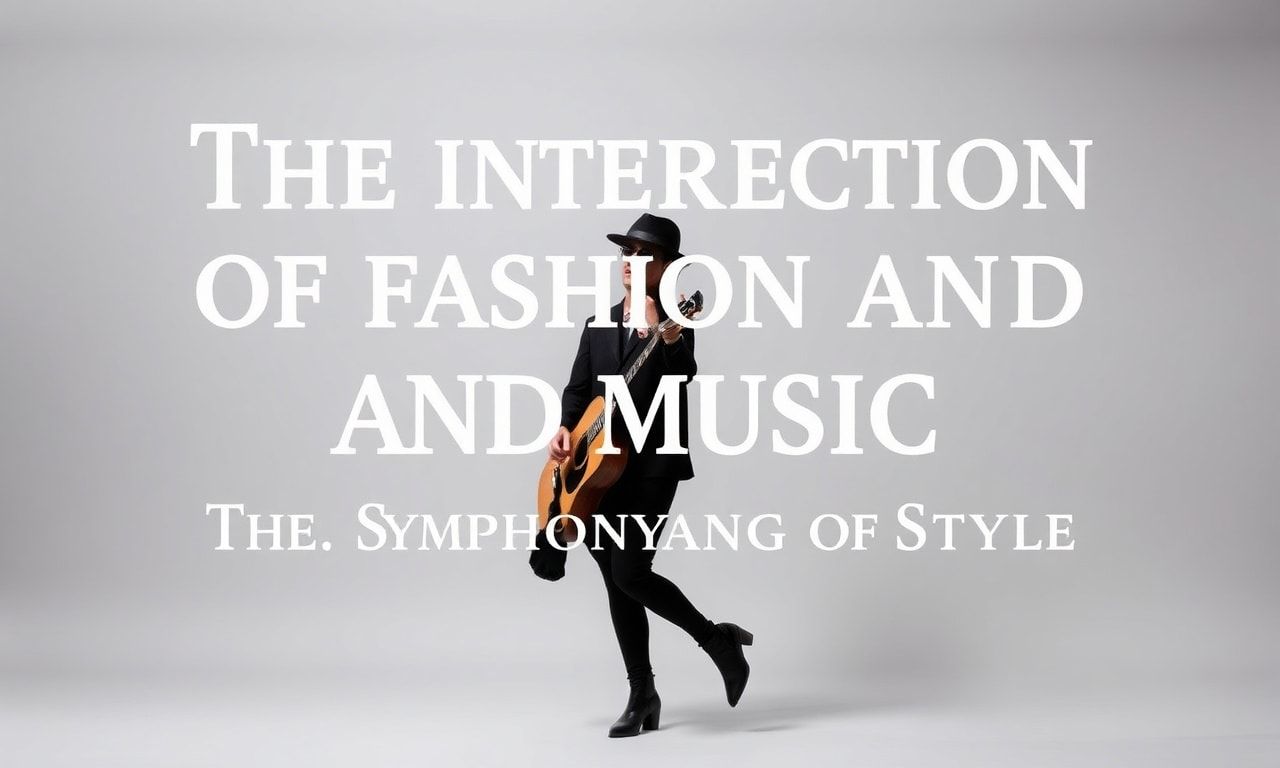
The Rhythm of Fashion
Fashion and music have always shared a profound connection, each influencing the other in a symphony of style and expression. Just as musicians use the best software for music production to create harmonious melodies, fashion designers orchestrate fabrics, colors, and textures to compose visually stunning ensembles. This interplay between the two art forms is not only evident in the way we dress but also in the way we perceive and experience the world around us.
The fashion industry often draws inspiration from the music scene, translating the energy and emotion of musical genres into wearable art. From the rebellious spirit of punk rock to the elegant sophistication of classical music, each genre offers a unique palette of colors, patterns, and silhouettes that fashion designers can interpret and bring to life. This dynamic relationship between fashion and music creates a continuous cycle of inspiration, where trends in one domain often spark innovations in the other.
The Influence of Music on Fashion Trends
Music has a significant impact on fashion trends, shaping the way we dress and express ourselves. For instance, the punk rock movement of the 1970s introduced a bold and edgy aesthetic characterized by ripped clothing, leather jackets, and provocative accessories. This rebellious style not only reflected the music’s raw energy but also challenged societal norms and conventions. Similarly, the hip-hop culture of the 1980s and 1990s popularized oversized clothing, athletic wear, and statement accessories, which have since become staples in contemporary fashion.
The influence of music on fashion is not limited to specific genres but extends to iconic musicians who have become style icons in their own right. Artists like David Bowie, Madonna, and Lady Gaga have used their music as a platform to experiment with fashion, pushing the boundaries of conventional style and inspiring countless trends. Their fearless approach to self-expression has encouraged fans to embrace their individuality and explore their unique sense of style.
Fashion as a Form of Musical Expression
Just as music is a form of self-expression, fashion serves as a visual language that allows individuals to communicate their personality, mood, and identity. The way we dress can convey a wide range of emotions and messages, from confidence and sophistication to creativity and rebellion. By carefully selecting our outfits, we can create a harmonious blend of colors, textures, and silhouettes that reflect our inner selves and resonate with those around us.
Fashion designers often draw inspiration from the world of music to create collections that evoke the same emotions and sensations as a musical composition. For example, a designer might use a symphony of colors to create a sense of harmony and balance, or incorporate bold patterns and textures to evoke the energy and dynamism of a rock concert. By translating the essence of music into wearable art, fashion designers can create collections that are not only visually stunning but also emotionally resonant.
The Role of Technology in Fashion and Music
Advancements in technology have revolutionized both the fashion and music industries, enabling artists and designers to explore new creative possibilities and reach wider audiences. In the world of music, technology has made it easier than ever to create, produce, and distribute music, allowing artists to experiment with new sounds and styles. Similarly, in the world of fashion, technology has opened up new avenues for design, production, and distribution, enabling designers to create innovative and sustainable clothing that meets the demands of a rapidly changing market.
One of the most significant technological advancements in the fashion industry is the use of 3D printing, which allows designers to create intricate and customized garments with unprecedented precision and efficiency. This technology not only reduces waste and environmental impact but also enables designers to explore new forms and structures that were previously impossible to achieve. Additionally, the use of virtual and augmented reality has transformed the way we experience fashion, allowing us to try on clothes virtually and interact with designs in immersive and engaging ways.
The Future of Fashion and Music
As the worlds of fashion and music continue to intersect and evolve, the future holds endless possibilities for collaboration and innovation. Emerging technologies such as artificial intelligence, blockchain, and the Internet of Things (IoT) are poised to revolutionize both industries, enabling artists and designers to create and distribute their work in entirely new ways. By embracing these technologies, fashion and music can continue to inspire and influence each other, creating a symphony of style that resonates with audiences around the world.
The future of fashion and music is not only about technological advancements but also about sustainability and inclusivity. As consumers become more conscious of the environmental and social impact of their purchasing decisions, fashion and music brands are increasingly prioritizing ethical and sustainable practices. By embracing sustainability and inclusivity, the fashion and music industries can create a more equitable and environmentally responsible future, where creativity and innovation go hand in hand with social and environmental responsibility.
As the world of fashion and beauty continues to evolve, so does the way we manage our finances; discover the digital finance world with our complete guide to digital finance and stay ahead of the curve.
As we embrace the future, it’s fascinating to see how technology is redefining aging, with style and connectivity at the forefront; discover the latest trends in tech for the modern senior.
Discover the future of style with our latest feature, tech-inspired fashion trends, where cutting-edge innovation meets timeless elegance to redefine your wardrobe.