Understanding the Essence of Layering
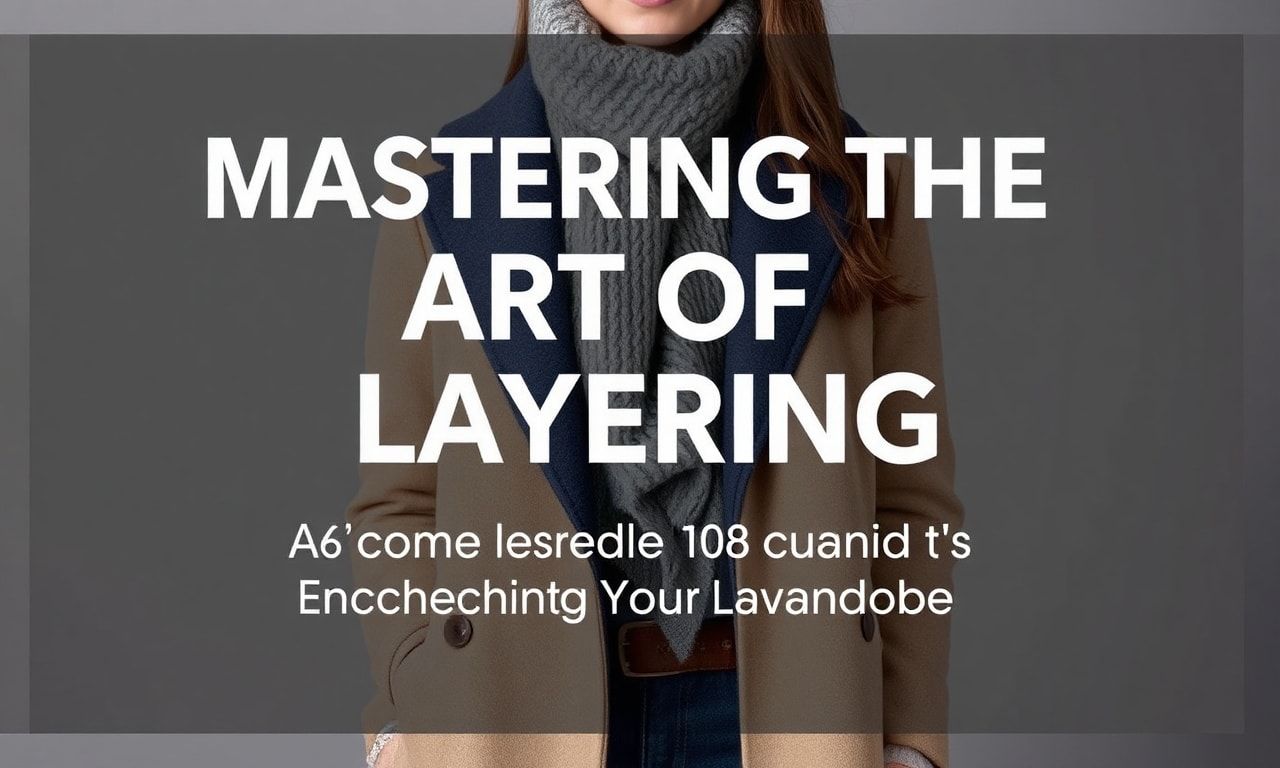
Layering is more than just a fashion trend; it’s an art form that allows you to express your creativity while staying comfortable and stylish. The key to mastering layering lies in understanding the balance between textures, colors, and proportions. By strategically combining different pieces, you can create outfits that are both visually appealing and functional, adapting to various weather conditions and occasions.
Starting with the Basics
The foundation of any layered outfit is a well-fitted base layer. This could be a simple t-shirt, a tank top, or a fitted long-sleeve shirt. The base layer should complement your body shape and be comfortable against your skin. From there, you can build up with additional layers such as cardigans, blazers, or jackets. Remember, the goal is to create a harmonious blend of styles and textures.
Playing with Textures and Fabrics
One of the most exciting aspects of layering is experimenting with different textures and fabrics. Combining materials like denim, leather, knitwear, and silk can add depth and interest to your outfit. For example, pairing a chunky knit sweater with a sleek leather jacket creates a striking contrast. Don’t be afraid to mix and match different textures to achieve a unique look. Just ensure that the colors and patterns complement each other to maintain a cohesive aesthetic.
When layering, it’s also important to consider the weather. For instance, if you’re in Manchester and checking the Manchester weather forecast today, you might need to adjust your layers accordingly. Lightweight fabrics like cotton and linen are perfect for warmer days, while heavier materials like wool and fleece provide warmth during colder months. Layering allows you to adapt your outfit to changing temperatures throughout the day.
Color Coordination Tips
Color coordination is crucial when it comes to layering. Start with a neutral base color, such as black, white, gray, or beige, and build upon it with accent colors. This approach ensures that your outfit remains balanced and visually appealing. You can also use the color wheel to create harmonious combinations. For example, pairing complementary colors like blue and orange or analogous colors like green and teal can create a striking yet cohesive look.
Another tip is to use different shades of the same color to create a monochromatic effect. This technique can make your outfit appear more streamlined and sophisticated. Additionally, incorporating patterns like stripes, polka dots, or floral prints can add visual interest to your layered look. Just be mindful of the scale and placement of patterns to avoid a cluttered appearance.
Proportions and Fit
Paying attention to proportions and fit is essential when layering. Aim for a balanced silhouette by mixing different lengths and volumes. For example, pairing a fitted top with a loose, oversized jacket can create a flattering contrast. Similarly, layering a cropped sweater over a high-waisted skirt or pants can elongate your frame and create a stylish silhouette.
Accessories: The Finishing Touch
Accessories play a crucial role in completing your layered look. Scarves, hats, belts, and jewelry can add the perfect finishing touch to your outfit. A statement necklace or a bold pair of earrings can elevate a simple layered look, while a stylish belt can cinch your waist and define your silhouette. Don’t forget about footwear; choosing the right shoes can tie your entire outfit together. Opt for versatile options like ankle boots, sneakers, or loafers that complement your layered ensemble.
Seasonal Layering Ideas
Layering techniques can vary depending on the season. In the spring and summer, focus on lightweight layers like linen shirts, cotton cardigans, and denim jackets. These pieces allow you to stay cool while adding depth to your outfit. In the fall and winter, opt for warmer layers like wool sweaters, fleece jackets, and trench coats. These materials provide insulation and warmth while maintaining style.
For transitional seasons, consider versatile pieces that can be easily mixed and matched. A lightweight trench coat, for example, can be worn over a dress in the spring or layered over a sweater and jeans in the fall. Similarly, a denim jacket is a year-round staple that can be dressed up or down depending on the occasion.
Layering for Different Occasions
Layering can be adapted to suit various occasions, from casual outings to formal events. For a casual look, pair a graphic t-shirt with a denim jacket and a cozy sweater. Add a pair of sneakers and a beanie for a relaxed, effortless vibe. For a more formal occasion, layer a silk blouse with a tailored blazer and a statement necklace. Complete the look with heels and a clutch for a polished, sophisticated ensemble.
When layering for work, opt for pieces that are both stylish and professional. A crisp button-down shirt paired with a structured blazer and a pencil skirt creates a chic, office-appropriate look. Add a scarf or a statement brooch to personalize your outfit and make it uniquely yours.
Ever wondered how nightwear transformed from mere practicality to a high fashion statement? Dive into the fascinating journey with our latest feature, nightwear’s stylish evolution, and elevate your sleepwear game.
Stay ahead of the curve by discovering how recent trends in Türkiye are shaping the fashion and beauty landscape, as highlighted in Turkey’s latest style updates.
To infuse your daily routine with a touch of serenity and style, dive into our latest feature on elevating your lifestyle mindfully, where we blend fashion, beauty, and conscious living.