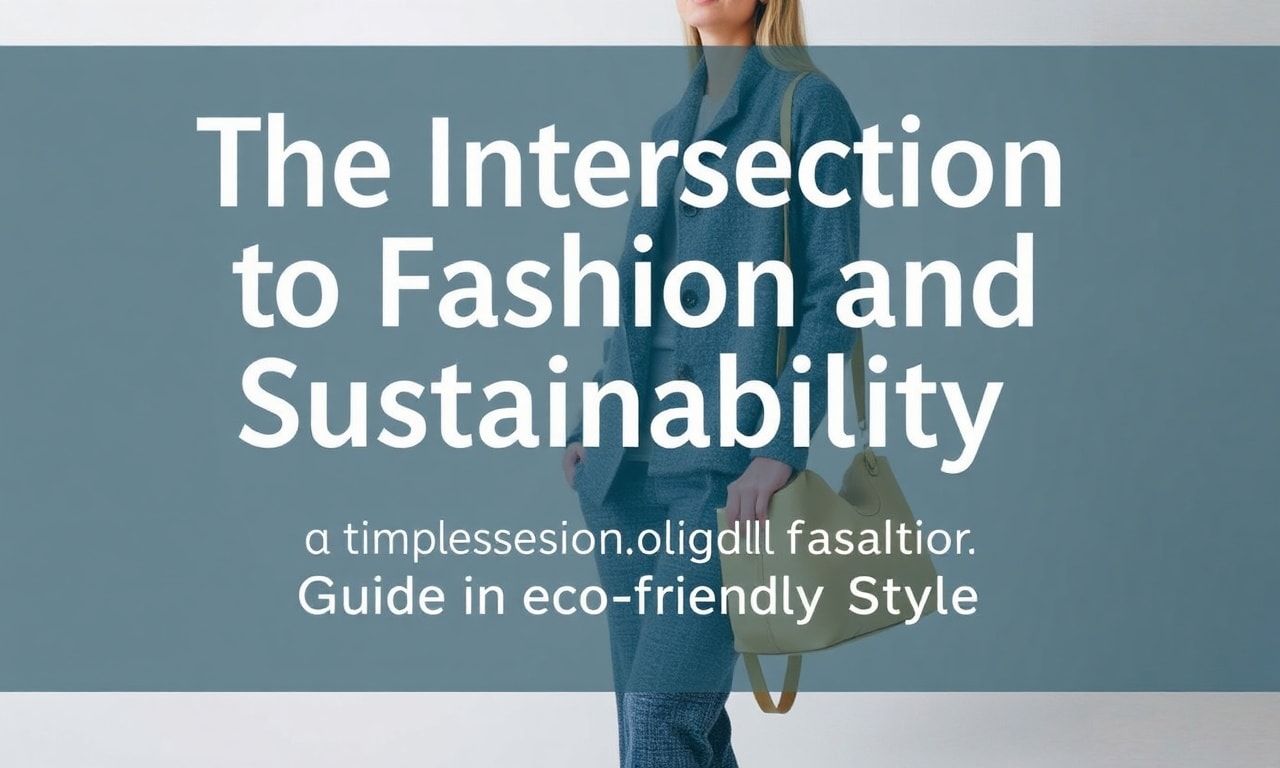
The Rise of Sustainable Fashion
The fashion industry is undergoing a significant transformation, with sustainability taking center stage. As consumers become more environmentally conscious, there is a growing demand for eco-friendly fashion choices. This shift is not just a trend; it’s a movement towards a more responsible and ethical approach to style. Brands are increasingly adopting sustainable practices, from sourcing materials responsibly to implementing eco-friendly production processes. This article explores the rise of sustainable fashion and provides tips on how to incorporate eco-friendly choices into your wardrobe.
Understanding Sustainable Fashion
Sustainable fashion, also known as eco-fashion, refers to clothing and accessories designed, manufactured, distributed, and used in ways that are environmentally friendly. This includes using organic or recycled materials, reducing waste, and ensuring fair labor practices. The goal is to minimize the environmental impact of the fashion industry while promoting ethical and socially responsible practices. Sustainable fashion is about making conscious choices that benefit both the planet and the people involved in the production process.
Key Principles of Sustainable Fashion
The principles of sustainable fashion revolve around several key areas:
- Material Sourcing: Using organic, recycled, or upcycled materials to reduce the environmental footprint.
- Ethical Production: Ensuring fair wages and safe working conditions for workers.
- Waste Reduction: Implementing practices that minimize waste throughout the production and distribution process.
- Durability and Quality: Creating long-lasting products that reduce the need for frequent replacements.
- Transparency: Being open about the entire supply chain, from raw materials to the final product.
Incorporating Sustainable Fashion into Your Wardrobe
Transitioning to a sustainable wardrobe doesn’t mean sacrificing style or quality. Here are some practical tips to help you make eco-friendly fashion choices:
Choose Quality Over Quantity
Investing in high-quality, durable pieces that last longer is a fundamental principle of sustainable fashion. Instead of buying multiple cheap items that quickly wear out, opt for well-made garments that can withstand the test of time. Look for brands that prioritize quality craftsmanship and use sustainable materials. This approach not only reduces waste but also saves you money in the long run.
Support Ethical Brands
Supporting brands that prioritize ethical and sustainable practices is crucial. Research brands that are transparent about their supply chain and production processes. Look for certifications such as Fair Trade, Organic Cotton, or GOTS (Global Organic Textile Standard) to ensure the products meet environmental and social standards. By choosing ethical brands, you contribute to a more sustainable and equitable fashion industry.
Explore Second-Hand and Vintage Fashion
Buying second-hand or vintage clothing is an excellent way to reduce waste and support sustainability. Thrift stores, consignment shops, and online platforms offer a wide range of unique and stylish options. Not only does this practice extend the life of garments, but it also promotes a circular economy where resources are reused and recycled. Embracing second-hand fashion allows you to express your personal style while making a positive environmental impact.
Care for Your Clothes Properly
Proper care and maintenance of your clothes can significantly extend their lifespan. Follow washing instructions carefully, avoid over-washing, and use eco-friendly detergents. Store your clothes properly to prevent damage and consider repairing items instead of discarding them. By taking good care of your garments, you reduce the need for frequent replacements and contribute to a more sustainable wardrobe.
The Role of Technology in Sustainable Fashion
Technology plays a pivotal role in advancing sustainable fashion. Innovations in textile production, such as using plant-based dyes and recycled materials, are revolutionizing the industry. Additionally, advancements in irrigation techniques, like those used in chia seed farming, are being adapted to improve the sustainability of textile crops. For instance, exploring chia seed irrigation techniques for optimal yield can provide insights into efficient water usage and soil health, which are crucial for sustainable textile production. These technological advancements contribute to a more eco-friendly and efficient fashion industry.
Conclusion
Sustainable fashion is more than just a trend; it’s a necessary shift towards a more responsible and ethical approach to style. By understanding the principles of sustainable fashion and incorporating eco-friendly choices into your wardrobe, you can make a positive impact on the environment and support ethical practices. Embrace quality over quantity, support ethical brands, explore second-hand fashion, and care for your clothes properly. Together, we can create a more sustainable and stylish future.
You may also find The Intersection of Fashion and Sustainability: helpful as it covers related aspects of this subject.