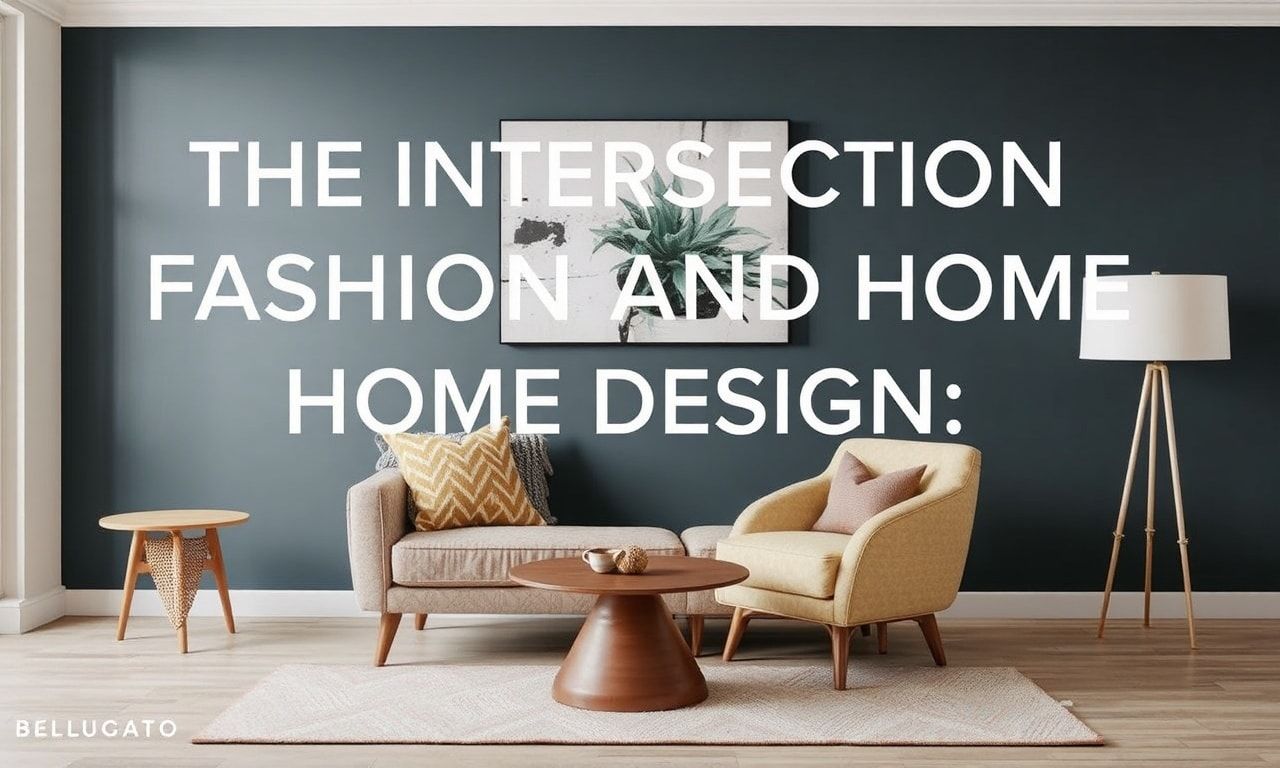
The Art of Blending Fashion and Home Design
In the realm of personal style, the lines between fashion and home design are becoming increasingly blurred. What we wear and how we adorn our living spaces are both extensions of our personalities, and creating a cohesive style story can enhance our overall aesthetic appeal. This article explores the synergy between fashion and home design, offering insights and tips to help you curate a harmonious lifestyle.
Understanding the Connection
The connection between fashion and home design lies in the principles of color, texture, and pattern. Just as a well-coordinated outfit can make a statement, a thoughtfully designed living space can evoke emotions and set the tone for your daily life. By understanding these principles, you can create a seamless transition from your wardrobe to your home decor.
For instance, if you have a penchant for bold, vibrant colors in your clothing, incorporating similar hues into your home decor can create a sense of continuity. Conversely, if your fashion sense leans towards minimalism and neutral tones, opting for clean lines and a monochromatic palette in your home design can achieve a similar effect. This synergy not only enhances your personal style but also creates a more inviting and cohesive living environment.
Color Coordination: From Closet to Living Room
Color is a powerful tool in both fashion and home design. It can influence mood, perception, and even behavior. When selecting colors for your wardrobe and home, consider the psychological impact they have. For example, blues and greens are calming and can create a serene atmosphere, while reds and oranges are energizing and can add a sense of vibrancy.
To create a cohesive color scheme, start by identifying your favorite colors and how they make you feel. Use these colors as a foundation for both your fashion choices and home decor. You can then build on this palette by incorporating complementary shades and accents. For example, if you love the color navy, you might pair it with crisp whites and gold accents in your home decor, and opt for similar combinations in your clothing.
Remember, the key to successful color coordination is balance. Too much of one color can be overwhelming, while too little can make a space or outfit feel incomplete. Aim for a harmonious blend that reflects your personal style and creates a visually appealing environment.
Texture and Material: Adding Depth and Dimension
Texture and material play a crucial role in both fashion and home design. They add depth, dimension, and tactile interest to your surroundings. In fashion, textures like silk, velvet, and tweed can elevate an outfit, while in home design, materials like wood, metal, and stone can add warmth and character to a space.
When incorporating textures into your home design, consider the overall aesthetic you want to achieve. For a cozy, inviting atmosphere, opt for soft, plush materials like velvet and faux fur. For a more modern, industrial look, choose sleek, smooth surfaces like metal and glass. Mixing different textures can create a dynamic and visually interesting space.
Similarly, in fashion, layering different textures can add depth and interest to your outfits. For example, pairing a chunky knit sweater with a sleek leather skirt can create a striking contrast. Don’t be afraid to experiment with different textures and materials to find what works best for you.
Pattern Play: Mixing and Matching with Confidence
Patterns are another essential element in both fashion and home design. They can add visual interest, create a focal point, and tie a space or outfit together. However, mixing patterns can be tricky, and it’s important to do so with confidence and intention.
When incorporating patterns into your home design, start with a neutral base and build from there. Choose one or two main patterns and use them as a starting point. You can then add smaller, complementary patterns to create a cohesive look. For example, you might start with a bold, geometric print on your sofa and then add smaller, subtle patterns in your throw pillows and curtains.
In fashion, mixing patterns can be a fun and creative way to express your personal style. To pull off a patterned look, start with a base color and build from there. Choose patterns that share a common color or theme, and balance bold prints with more subtle ones. For example, you might pair a bold floral print with a smaller, more understated polka dot pattern.
Remember, the key to successfully mixing patterns is to have fun and experiment. Don’t be afraid to take risks and try new combinations. With a little practice, you’ll be a pro at mixing patterns in no time.
Inspiration from the Unexpected
Looking for inspiration outside of the fashion and design worlds can lead to unique and innovative ideas. For example, the world of home selling tips and news often features innovative design trends that can be adapted to your personal style. Paying attention to these trends can provide a fresh perspective and help you stay ahead of the curve.
Another source of inspiration is nature. The colors, textures, and patterns found in the natural world can be a rich source of ideas for both fashion and home design. For example, the earthy tones of a forest can inspire a neutral, organic color palette, while the intricate patterns of a butterfly’s wings can inspire a bold, eye-catching print.
Art and culture can also be a great source of inspiration. Exploring different art forms, from painting and sculpture to music and dance, can open up new avenues of creativity and help you discover your unique style. Don’t be afraid to think outside the box and draw inspiration from unexpected sources.
Creating a Cohesive Style Story
Creating a cohesive style story involves more than just coordinating colors, textures, and patterns. It’s about expressing your personality and creating a space that feels truly your own. To achieve this, start by identifying your personal style and what makes you unique.
Once you have a clear sense of your personal style, you can begin to incorporate it into both your fashion choices and home decor. This might involve selecting pieces that reflect your interests and passions, or experimenting with different styles and trends to find what works best for you. Remember, your style story is a work in progress, and it’s okay to evolve and change over time.
Ultimately, the key to creating a cohesive style story is to stay true to yourself and your unique sense of style. By doing so, you can create a harmonious and inviting living environment that reflects your personality and enhances your overall aesthetic appeal.