The Timeless Influence of Culture on Fashion
Fashion is a universal language that transcends borders and cultures. It is a dynamic reflection of societal values, historical contexts, and cultural heritage. From the intricate patterns of African textiles to the minimalist aesthetics of Japanese design, cultural influences have always played a pivotal role in shaping global fashion trends. Understanding these influences can enrich our appreciation of fashion and inspire our personal style choices.
The Role of Religion in Fashion
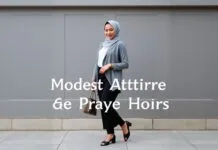
Religion has also been a significant influence on fashion, dictating modesty and elegance in various ways. For instance, Islamic fashion has gained global recognition for its blend of modesty and modernity. Designers are increasingly incorporating elements of Islamic art and architecture into their collections, creating pieces that are both stylish and culturally significant. In many Muslim communities, the call to prayer, or ezan saatleri, marks a moment of reflection and connection. This spiritual practice often influences the fashion choices of devout individuals, who seek to balance their faith with contemporary style.
Historical Fashion Trends
Historical fashion trends offer a wealth of inspiration for modern designers. The Victorian era, with its emphasis on corsets and crinolines, has seen a resurgence in recent years, with designers reinterpreting these classic elements for the contemporary wardrobe. Similarly, the 1920s flapper style, characterized by its bold, androgynous silhouettes, continues to influence modern fashion. Understanding the historical context of these trends can help us appreciate their enduring appeal and adapt them to our own personal style.
Cultural Appropriation vs. Appreciation
As fashion continues to draw inspiration from diverse cultures, it is essential to distinguish between cultural appropriation and appreciation. Cultural appreciation involves respectfully acknowledging and celebrating the origins of a particular style or design. On the other hand, cultural appropriation often involves the insensitive or exploitative use of cultural elements. To navigate this complex issue, it is crucial to educate ourselves about the cultural significance of different fashion elements and to engage in open, respectful dialogue with members of the cultures in question.
Sustainable Fashion and Cultural Heritage
Sustainable fashion is another area where cultural heritage plays a significant role. Many traditional textiles and craft techniques are inherently sustainable, as they involve natural materials and minimal waste. By supporting designers who incorporate these traditional techniques into their work, we can help preserve cultural heritage while also promoting sustainable fashion practices. This approach not only benefits the environment but also fosters a deeper appreciation for the artistry and craftsmanship of different cultures.
Incorporating Cultural Elements into Your Wardrobe
Incorporating cultural elements into your wardrobe can be a rewarding and enriching experience. Here are some tips to help you do so respectfully and stylishly:
- Educate Yourself: Before incorporating elements from a particular culture into your wardrobe, take the time to learn about their significance and history.
- Support Indigenous Designers: Whenever possible, support designers who are members of the culture you are drawing inspiration from. This helps ensure that the cultural elements are being used respectfully and that the designers are being fairly compensated for their work.
- Mix and Match: Don’t be afraid to mix and match cultural elements with your existing wardrobe. This can create a unique and personalized style that reflects your appreciation for different cultures.
- Accessories: Accessories are a great way to incorporate cultural elements into your wardrobe without going overboard. Consider adding a traditional piece of jewelry or a scarf with a cultural pattern to your outfit.
- Respect the Context: Be mindful of the context in which you are wearing cultural elements. For example, wearing a traditional piece of clothing to a cultural event or ceremony can be a sign of respect, while wearing it as a costume can be seen as disrespectful.
Conclusion
The intersection of fashion and culture is a rich and complex landscape that offers endless opportunities for creativity and self-expression. By understanding and appreciating the cultural influences behind different fashion trends, we can enrich our personal style and foster a deeper connection with the world around us. Whether you are drawn to the vibrant colors of Indian textiles, the intricate patterns of African prints, or the minimalist aesthetics of Japanese design, there is a wealth of inspiration to be found in the diverse cultures of the world. So, embrace the beauty of cultural diversity and let it inspire your fashion choices, always remembering to do so with respect and appreciation.