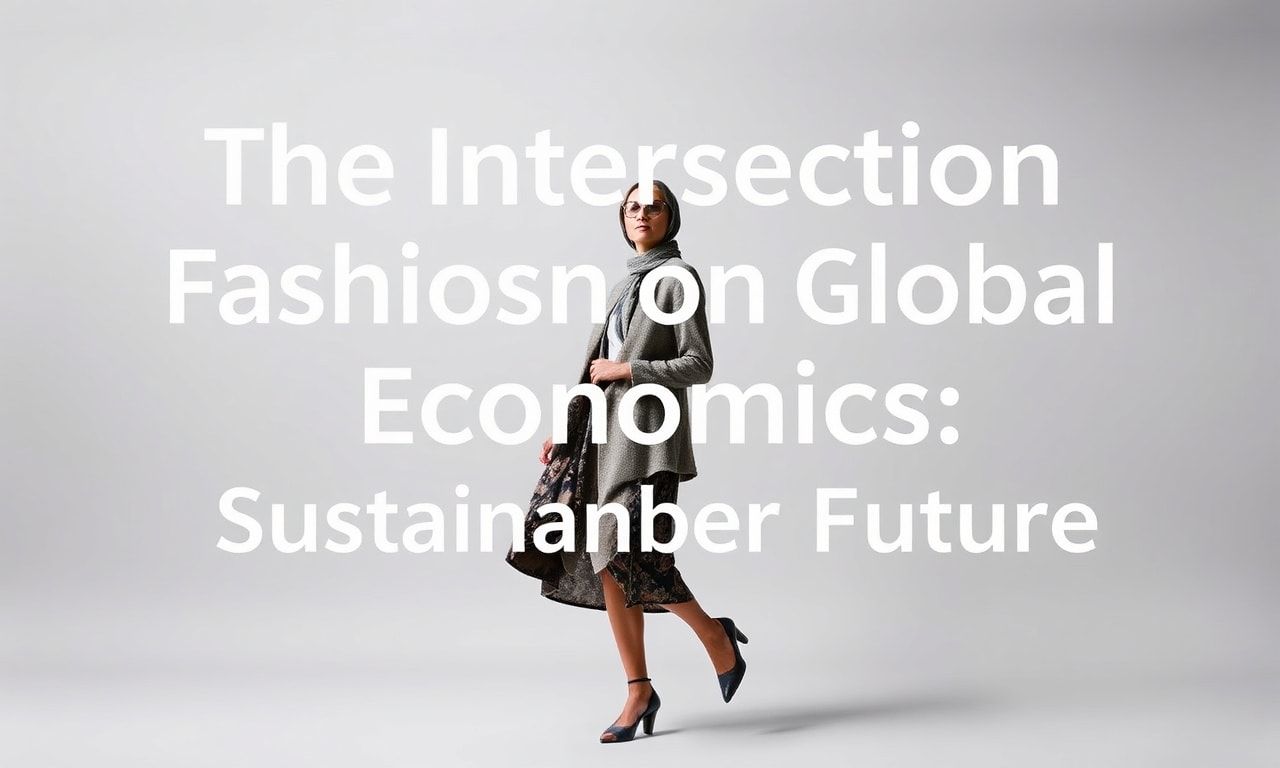
The Global Fashion Industry: A Powerhouse of Growth
The fashion industry is a dynamic and ever-evolving sector that plays a significant role in the global economy. With a market value of over $2.5 trillion, it is a powerhouse of growth, employing millions of people worldwide. The industry’s economic impact is profound, influencing everything from textile manufacturing to retail and e-commerce. Countries like Bangladesh have seen substantial economic growth due to their involvement in the fashion industry, particularly in garment manufacturing. However, this growth comes with its own set of challenges, as discussed in the context of Bangladesh economic growth and challenges.
The Rise of Sustainable Fashion
In recent years, there has been a growing awareness of the environmental impact of the fashion industry. The rise of sustainable fashion is a response to this awareness, with consumers and brands alike seeking to reduce their carbon footprint. Sustainable fashion encompasses a range of practices, from using eco-friendly materials to implementing ethical labor practices. This shift towards sustainability is not just a trend; it is a necessary evolution for the industry to ensure its long-term viability.
Eco-Friendly Materials
One of the key aspects of sustainable fashion is the use of eco-friendly materials. Traditional fabrics like cotton and polyester have a significant environmental impact, from water consumption to microplastic pollution. In contrast, materials like organic cotton, hemp, and recycled polyester offer a more sustainable alternative. These materials not only reduce the environmental footprint but also often result in higher-quality garments that last longer. Brands that prioritize eco-friendly materials are not only contributing to a healthier planet but also meeting the growing demand from consumers who are increasingly conscious of their purchasing decisions.
Ethical Labor Practices
Another critical component of sustainable fashion is ethical labor practices. The fashion industry has long been criticized for its labor practices, particularly in developing countries where garment workers often face poor working conditions and low wages. Ethical labor practices involve ensuring fair wages, safe working conditions, and respect for workers’ rights. Brands that prioritize ethical labor practices are not only contributing to a more just society but also building a more sustainable and resilient supply chain. This approach not only benefits the workers but also enhances the brand’s reputation and customer loyalty.
The Role of Technology in Fashion
Technology is playing an increasingly important role in the fashion industry, from design and manufacturing to retail and marketing. Advances in technology are enabling brands to create more innovative and sustainable products, as well as to reach a wider audience. For example, 3D printing technology is being used to create custom-fit clothing, reducing waste and improving the fit of garments. Similarly, virtual reality (VR) and augmented reality (VR) technologies are being used to create immersive shopping experiences, allowing consumers to try on clothes virtually before making a purchase.
E-Commerce and Digital Marketing
E-commerce and digital marketing have revolutionized the way fashion brands reach their customers. With the rise of online shopping, brands can now reach a global audience with ease. Digital marketing strategies, such as social media advertising and influencer marketing, have become essential tools for brands to connect with their target audience. These technologies not only expand the reach of fashion brands but also provide valuable data and insights that can be used to improve the customer experience and drive sales.
The Future of Fashion: Trends and Predictions
The future of fashion is bright, with several exciting trends and predictions on the horizon. One of the most significant trends is the continued growth of sustainable fashion. As consumers become more aware of the environmental impact of their purchasing decisions, brands will need to prioritize sustainability in their operations. Another trend is the increasing use of technology in the fashion industry, from 3D printing to VR shopping experiences. These technologies will continue to transform the way fashion brands operate and engage with their customers.
Personalization and Customization
Personalization and customization are becoming increasingly important in the fashion industry. Consumers are seeking unique and personalized products that reflect their individual style and preferences. Brands that offer customization options, such as custom-fit clothing or personalized accessories, will be well-positioned to meet this growing demand. This trend is not only driven by consumer preferences but also by advances in technology, such as 3D printing and AI-driven design tools, which make customization more accessible and affordable.
Circular Fashion
Circular fashion is another emerging trend in the industry. This approach involves designing products with the entire lifecycle in mind, from production to disposal. The goal is to minimize waste and maximize the use of resources. Brands that adopt circular fashion practices will not only reduce their environmental impact but also create new business opportunities, such as resale and rental services. This trend is driven by the growing awareness of the need for a more sustainable and circular economy.
Conclusion
The fashion industry is at a crossroads, facing both significant challenges and exciting opportunities. The rise of sustainable fashion, the role of technology, and the trends of personalization and circular fashion are shaping the future of the industry. Brands that prioritize sustainability, innovation, and customer-centric practices will be well-positioned to thrive in this evolving landscape. As the industry continues to evolve, it is essential for brands to stay informed and adapt to the changing needs and preferences of their customers. By doing so, they can contribute to a more sustainable and resilient fashion industry that benefits both the planet and its people.
Ever wondered how the stock market can spark a new accessory trend? Discover the fascinating link between finance and fashion in our latest feature, market trends shaping jewelry styles.
For a deeper understanding of this topic, The Timeless Elegance of Incense Burners: offers valuable insights worth exploring.