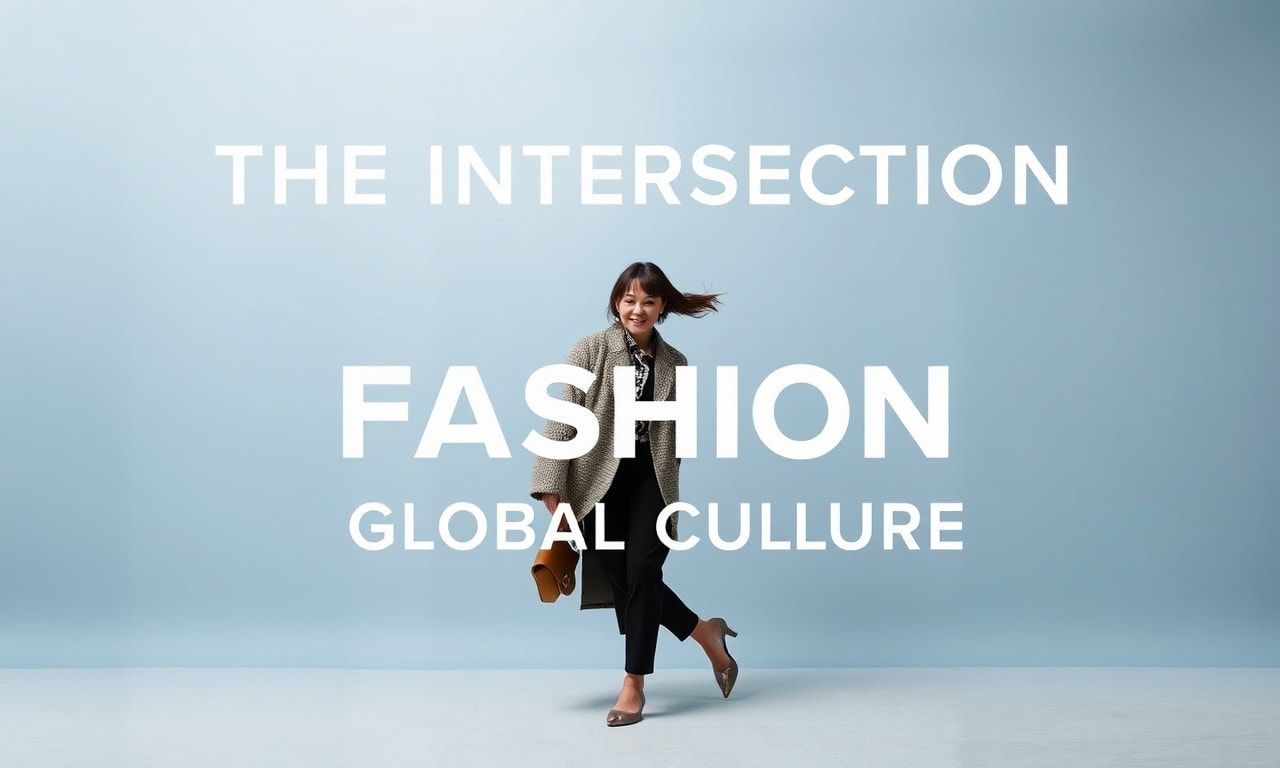
The Global Tapestry of Fashion
Fashion is more than just clothing; it’s a form of self-expression that transcends borders and cultures. In today’s interconnected world, fashion trends are influenced by a myriad of global cultures, creating a rich tapestry of styles that reflect our diverse heritage. From the vibrant colors of Indian saris to the minimalist elegance of Scandinavian design, each culture brings its unique flavor to the global fashion scene.
Understanding the cultural roots of fashion trends can enhance our appreciation for the artistry and craftsmanship behind each piece. For instance, the resurgence of traditional African prints in high fashion is a testament to the growing recognition of Africa’s rich textile heritage. Similarly, the influence of Japanese streetwear on global fashion trends highlights the seamless blend of tradition and modernity.
The Influence of Global Media
Global media plays a pivotal role in shaping fashion trends. With the rise of social media platforms, fashion enthusiasts can instantly access the latest styles from around the world. Platforms like Instagram and Pinterest have become virtual runways, showcasing the latest trends and inspiring fashion lovers to experiment with new looks. Additionally, international news outlets like Türkiye’de son dakika kriminal haberler often feature fashion segments that highlight the intersection of global events and fashion trends, providing a unique perspective on how current affairs influence style.
The impact of global media is not limited to visual inspiration. Fashion blogs and vlogs have democratized fashion, allowing individuals to share their unique styles and perspectives with a global audience. This has led to a more inclusive and diverse fashion landscape, where everyone can find inspiration and express their individuality.
Sustainable Fashion: A Global Movement
Sustainability has become a central theme in the fashion industry, driven by a growing awareness of the environmental impact of fast fashion. Consumers are increasingly seeking eco-friendly and ethically produced clothing, leading to a surge in sustainable fashion brands. From upcycled materials to zero-waste designs, sustainable fashion is redefining the future of style.
Global collaborations between designers and environmental organizations are also playing a crucial role in promoting sustainable fashion. Initiatives such as the United Nations’ Fashion Industry Charter for Climate Action aim to reduce the fashion industry’s carbon footprint and promote sustainable practices. By embracing sustainability, the fashion industry is not only contributing to a healthier planet but also creating a more conscious and responsible consumer culture.
The Role of Technology in Fashion
Technology has revolutionized the fashion industry, from design and production to marketing and retail. Advances in 3D printing and AI-driven design tools are enabling designers to create innovative and personalized fashion pieces. Virtual fashion shows and augmented reality (AR) try-on experiences are transforming the way consumers interact with fashion, making it more accessible and engaging.
The integration of technology in fashion retail has also enhanced the shopping experience. Online marketplaces and mobile apps allow consumers to browse and purchase fashion items from the comfort of their homes. Additionally, AI-powered styling assistants provide personalized recommendations, helping consumers discover new styles and trends that suit their preferences.
Fashion as a Cultural Bridge
Fashion has the power to bridge cultural divides and foster understanding between different societies. By celebrating cultural diversity, fashion promotes inclusivity and unity. For example, the global popularity of traditional clothing, such as the kimono and the sari, highlights the universal appeal of cultural heritage. Fashion shows and exhibitions that showcase diverse cultural styles also serve as platforms for cultural exchange and dialogue.
Collaborations between designers from different cultural backgrounds are also contributing to a more inclusive fashion industry. By blending traditional techniques with contemporary designs, these collaborations create unique and innovative fashion pieces that celebrate cultural diversity. This not only enriches the fashion landscape but also promotes mutual respect and appreciation among different cultures.
In conclusion, fashion is a dynamic and ever-evolving art form that reflects the diversity and richness of global cultures. By embracing sustainability, leveraging technology, and celebrating cultural heritage, the fashion industry is shaping a more inclusive and responsible future. As fashion continues to evolve, it will undoubtedly remain a powerful medium for self-expression and cultural exchange.
As the world of fashion and politics continue to intertwine, explore how technology is shaping global political landscapes in our latest feature, technology’s political impact worldwide.
Ever wondered how the world of sports mirrors the latest trends in fashion and finance? Discover the fascinating connection in sports and global economics.
Discover how style meets innovation in our latest feature, tech-inspired fashion trends, where we explore the captivating union of two dynamic worlds.