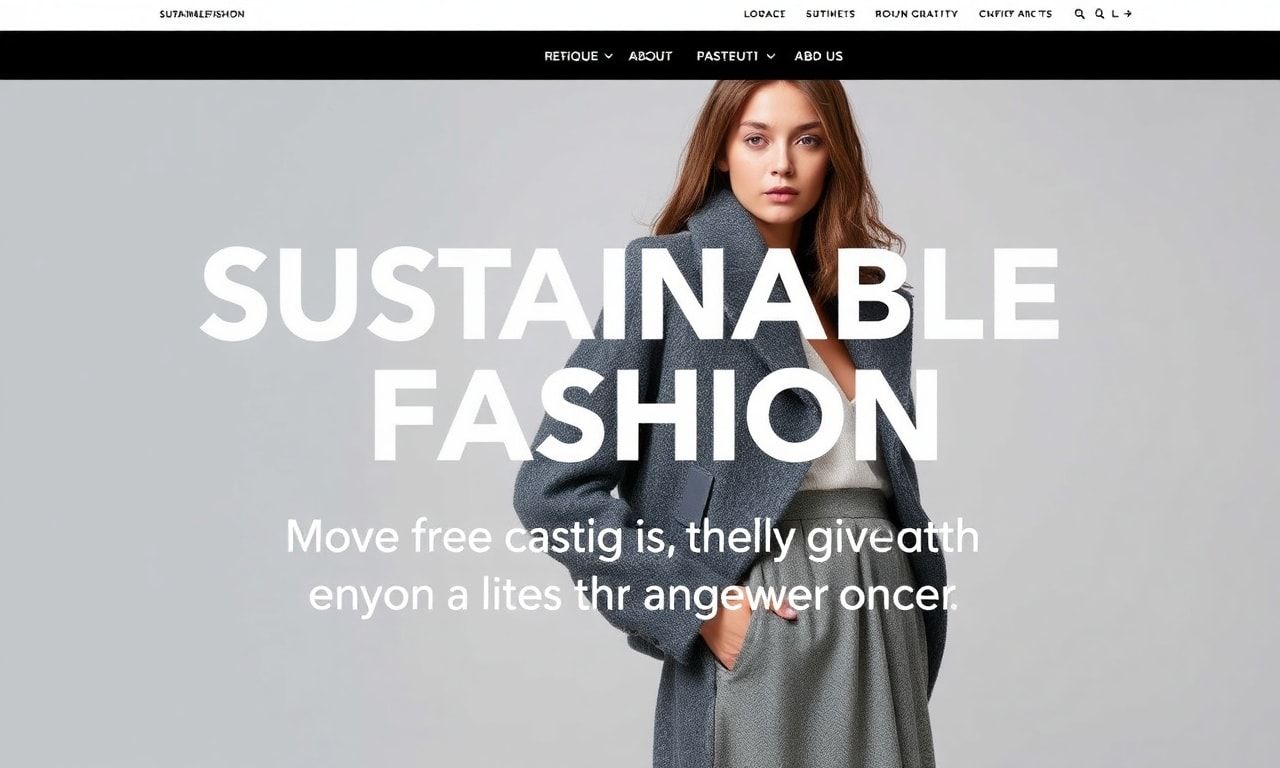
The Rise of Sustainable Fashion
The fashion industry is undergoing a significant transformation, with sustainability taking center stage. As consumers become more aware of the environmental impact of their purchasing decisions, there is a growing demand for eco-friendly and ethically produced clothing. Sustainable fashion is not just a trend; it’s a movement that is reshaping the way we think about style and consumption.
The Intersection of Fashion and Environmental Awareness
Fashion and environmental awareness are no longer mutually exclusive. In fact, they are increasingly intertwined. Designers and brands are recognizing the importance of reducing their carbon footprint and adopting practices that are kinder to the planet. From using organic and recycled materials to implementing zero-waste patterns, the fashion industry is making strides towards sustainability. For the latest updates on how environmental consciousness is influencing various sectors, including fashion, check out the environmental news climate update.
Key Players in Sustainable Fashion
Several brands and designers have emerged as leaders in the sustainable fashion movement. Companies like Patagonia, Stella McCartney, and Reformation are known for their commitment to eco-friendly practices. They use sustainable materials, promote fair labor practices, and strive to minimize waste. These brands prove that style and sustainability can go hand in hand, setting a benchmark for the industry.
Tips for Building a Sustainable Wardrobe
Building a sustainable wardrobe is easier than you might think. Here are some tips to help you make more eco-conscious fashion choices:
- Invest in Quality Pieces: Opt for high-quality, timeless pieces that will last longer. Fast fashion is often cheap and trendy, but it contributes to waste and pollution.
- Choose Sustainable Materials: Look for clothing made from organic cotton, hemp, linen, or recycled fabrics. These materials have a lower environmental impact.
- Support Ethical Brands: Research brands that prioritize sustainability and fair labor practices. Supporting these brands encourages more companies to adopt eco-friendly practices.
- Buy Second-Hand: Thrift stores and online platforms like Depop and Poshmark offer a treasure trove of second-hand clothing. Buying pre-loved items reduces waste and saves you money.
- Care for Your Clothes: Extend the life of your clothing by following care instructions, repairing items when possible, and storing them properly.
The Future of Sustainable Fashion
The future of sustainable fashion looks promising. As technology advances, we can expect to see more innovations in eco-friendly materials and production methods. Brands are also becoming more transparent about their supply chains, allowing consumers to make informed decisions. The fashion industry is on a journey towards sustainability, and every step counts.
Innovations in Sustainable Fashion
Innovations in sustainable fashion are paving the way for a greener future. From biodegradable fabrics to 3D-knitting technology that reduces waste, the industry is embracing new methods to minimize its environmental impact. Additionally, the rise of rental and resale platforms is encouraging a circular economy, where clothing is reused and recycled rather than discarded.
Conclusion
Sustainable fashion is more than just a trend; it’s a necessary shift towards a more responsible and conscious way of living. By making mindful choices, supporting ethical brands, and embracing innovative solutions, we can all contribute to a more sustainable future. Fashion has the power to inspire and influence, and it’s up to us to ensure that this influence is positive and beneficial for the planet.