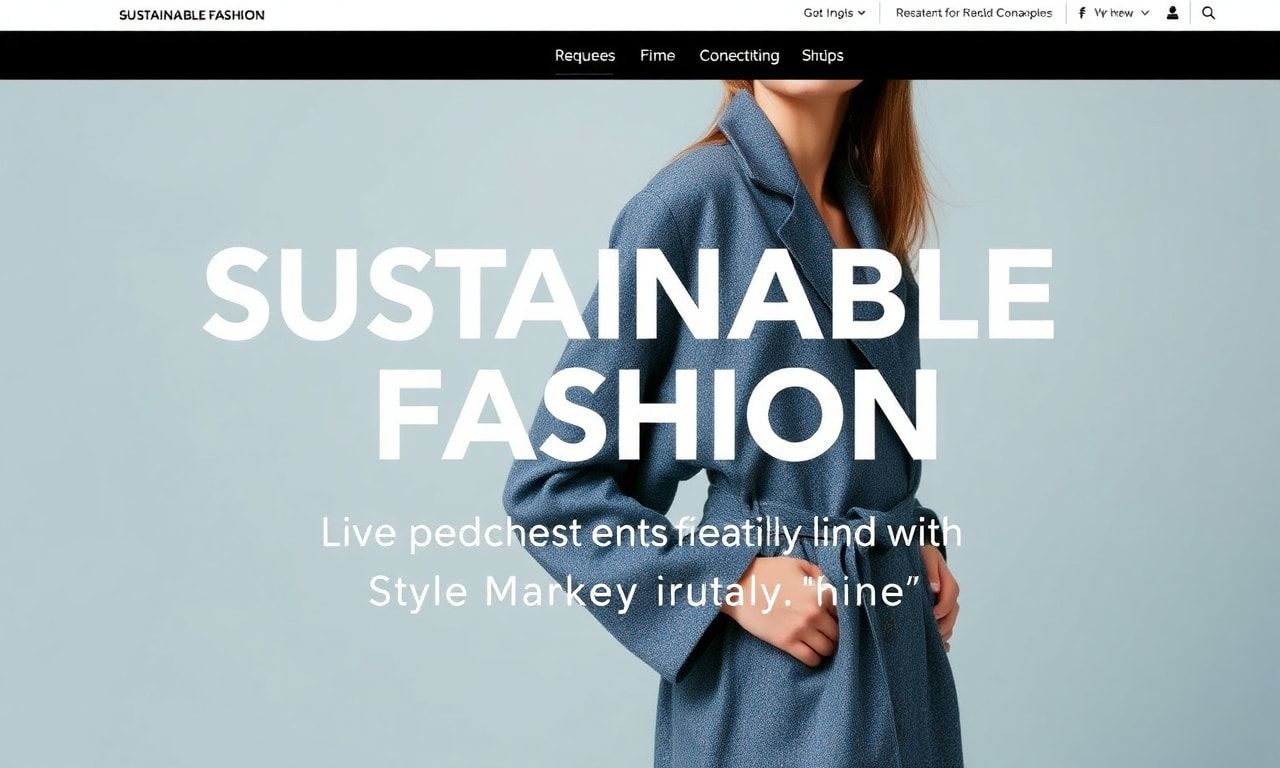
The Rise of Sustainable Fashion
The fashion industry is undergoing a significant transformation, with sustainability at the forefront. As consumers become more aware of the environmental impact of their choices, there’s a growing demand for eco-friendly fashion. This shift isn’t just about being trendy; it’s about making a conscious decision to support brands that prioritize the planet. Sustainable fashion is no longer a niche market; it’s a global movement that’s reshaping the way we think about style.
The Intersection of Fashion and Renewable Energy
In an interesting turn of events, the fashion world is also embracing renewable energy. For instance, solar energy is being used to power fashion events and stores, reducing the carbon footprint of the industry. If you’re considering a similar shift towards renewable energy, you might want to explore güneş paneli kurulumu için en iyi uzmanlar to find experts who can help you make the switch. This intersection of fashion and renewable energy is a testament to the industry’s commitment to sustainability.
Key Elements of Sustainable Fashion
Sustainable fashion is characterized by several key elements. Firstly, it involves the use of eco-friendly materials such as organic cotton, hemp, and recycled fabrics. These materials have a lower environmental impact compared to conventional fabrics. Secondly, sustainable fashion promotes ethical production practices, ensuring fair wages and safe working conditions for workers. Lastly, it encourages a circular economy by promoting recycling, upcycling, and second-hand shopping.
Eco-Friendly Materials
One of the most significant aspects of sustainable fashion is the use of eco-friendly materials. These materials are not only better for the environment but also offer unique textures and qualities that can enhance your style. For example, organic cotton is softer and more durable than conventional cotton, while hemp is naturally resistant to pests and requires less water to grow. By choosing clothes made from these materials, you’re not only making a fashion statement but also contributing to a healthier planet.
Ethical Production Practices
Sustainable fashion also emphasizes ethical production practices. This means that the people who make our clothes are paid fair wages and work in safe conditions. By supporting brands that prioritize ethical production, you’re helping to create a more equitable fashion industry. Moreover, ethical production practices often go hand in hand with eco-friendly materials, as brands that care about their workers also care about the environment.
Circular Economy
The concept of a circular economy is central to sustainable fashion. This involves recycling, upcycling, and second-hand shopping. By extending the life of our clothes, we can reduce waste and conserve resources. Many sustainable fashion brands offer take-back programs where you can return old clothes for recycling or upcycling. Additionally, second-hand shopping is a great way to find unique pieces while reducing your environmental impact.
How to Incorporate Sustainable Fashion into Your Wardrobe
Incorporating sustainable fashion into your wardrobe doesn’t have to be daunting. Start by assessing your current wardrobe and identifying pieces that you no longer wear. Consider donating or selling these items to give them a new life. When shopping for new clothes, look for brands that prioritize sustainability and ethical production. Additionally, consider investing in high-quality, timeless pieces that will last for years to come.
Shopping Tips for Sustainable Fashion
When shopping for sustainable fashion, look for certifications such as GOTS (Global Organic Textile Standard) and Fair Trade. These certifications ensure that the clothes you’re buying meet specific environmental and social standards. Additionally, consider shopping second-hand or vintage. Not only is this a sustainable choice, but it’s also a great way to find unique pieces that reflect your personal style.
Caring for Your Sustainable Clothes
Caring for your sustainable clothes is just as important as choosing them. Wash your clothes in cold water and air dry them whenever possible to reduce energy consumption. Additionally, consider using eco-friendly laundry detergents that are free from harmful chemicals. By taking good care of your clothes, you can extend their lifespan and reduce the need for frequent replacements.
The Future of Sustainable Fashion
The future of sustainable fashion looks bright. As more consumers demand eco-friendly and ethical fashion, brands are responding with innovative solutions. From biodegradable fabrics to zero-waste production methods, the fashion industry is constantly evolving to meet the needs of a more conscious consumer base. By embracing sustainable fashion, you’re not only making a style statement but also contributing to a more sustainable future.
As we embrace sustainable fashion, let’s also explore how technology meets eco-consciousness in solar energy innovations, a trend that’s lighting up the future.
As we strive to dress sustainably and make eco-conscious fashion choices, understanding the role of education in renewable energy can inspire our style decisions; delve into solar power’s educational impact for a fresh perspective.
As we embrace the warmer months, discover how to blend style and sustainability with sunny eco-friendly fashion trends that are taking the world by storm.