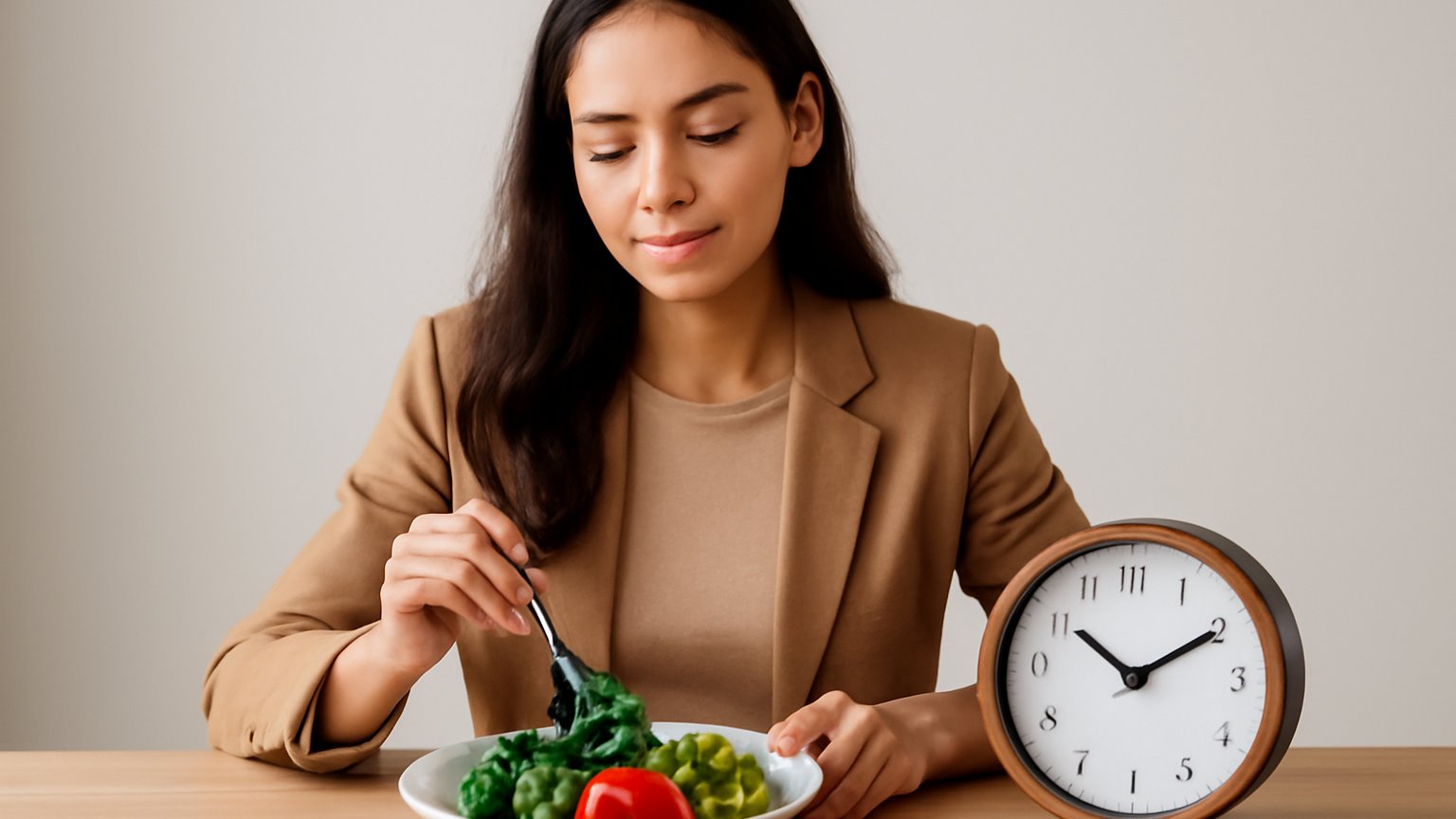
Imagine waking up each day, not only mindful of your meal times but also of how those choices ripple through every aspect of your life—including what you wear. Timed eating, once a niche wellness concept, is now influencing daily routines and even style decisions in surprising ways. Far beyond the well-trodden paths of calorie counting and fad diets, this approach emphasizes when you eat, shaping rhythms that sync with your body’s natural cycles and energy peaks.
As timed eating grows in popularity, particularly among those committed to optimizing health and vitality, it’s sparking a subtle but significant shift in fashion too. From flexible athleisure suited to fluctuating hunger cycles to sustainable labels catering to mindful consumers, the connection between eating windows and wardrobe choices is becoming impossible to ignore. For those curious about aligning their lifestyle with the latest research on intermittent fasting, best nutrition tips for athletes in 2026 offer insights that complement this evolving trend.
This article explores how the rhythms of timed eating extend beyond nutrition into the world of style, unpacking everything from everyday outfit adaptations to the broader implications for the fashion industry. Prepare to see your closet—and your meal schedule—in an entirely new light.
The Rise of Timed Eating: More Than Just a Wellness Fad
Timed eating—a practice rooted in the idea that when you eat is just as important as what you eat—has rapidly moved from the fringes of wellness circles into the mainstream spotlight. While intermittent fasting has long been recognized for its health benefits, its influence now stretches beyond nutrition. It’s reshaping how people approach their daily routines, including the fashion choices they make. The appeal? Simplicity and structure in a world brimming with constant decision fatigue.
It’s no coincidence that as timed eating gains traction, capsule wardrobes and minimalist styling enjoy a resurgence. When meals are restricted to certain windows, energy levels and mood can stabilize, prompting a more mindful approach to dressing. The result? Fashion that balances comfort and function, with sleek yet adaptable pieces tailored for the rhythms of the day. This isn’t about following another fad; it’s about integrating wellness habits into a holistic lifestyle—down to the clothes people wear.
How Eating Windows Influence Your Daily Outfit Choices
The window you choose to eat within doesn’t just impact your metabolism or energy levels—it subtly influences your whole day’s style. Early eaters who wrap up meals by mid-afternoon tend to lean toward lighter, breathable fabrics in the evening, often opting for relaxed, silhouette-friendly looks that work with less fullness around the waist. Meanwhile, those who follow a later eating window might find themselves dressing for a fuller figure after dinner, choosing stretchable, forgiving fabrics and adaptive layering pieces to keep comfort top of mind.
The timing of meals also dictates your wardrobe rhythm. Early windows encourage morning activities and lighter breakfast outfits, pushing for chic yet comfy athleisure or casual wear that transitions easily to daywear. Conversely, late eaters might plan for evening engagements and stylish dinner-ready ensembles, with high-waisted trousers or flowy dresses complementing post-meal stages. The choreography of timed eating and dressing creates a fresh way to rethink wardrobe staples—not just as style choices but as extensions of daily health rhythms.
As more turn to timed eating trends, fashion is responding—but not by dictating rigid rules. Instead, it’s about learning from the body’s natural rhythms and letting these guide smarter, more personalized style choices. For those curious about how food timings intersect with well-being and aesthetics, exploring the latest research on intermittent fasting opens a fascinating dialogue between eating habits and the clothes we live in.
The Intersection of Nutrition Timing and Sustainable Fashion
As the conversation around timed eating gains momentum, its influence is rippling beyond nutrition into the world of sustainable fashion. Consumers who embrace meal timing for health benefits are also becoming more conscious of the environmental impact of their wardrobe choices. This intersection reflects a broader lifestyle shift where mindful eating and eco-friendly clothing habits coalesce. Brands are responding by offering collections designed with both nutritional wellness advocates and sustainability enthusiasts in mind, blending style with a reduced carbon footprint.
Understanding when and what to eat can complement wearing materials that age well and support eco-conscious production practices. For example, just as intermittent fasting protocols require careful planning and patience, investing in timeless pieces made from organic cotton or recycled fabrics requires a deliberate approach to consumption. Both practices prioritize quality over quantity, reinforcing a cycle of sustainability in health and style. Those curious about the latest research on intermittent fasting will find parallels in how choosing sustainable fibers contributes to a healthier planet and a more intentional wardrobe. Additionally, incorporating foods known to alleviate tech-related stress can enhance this holistic approach, as noted in the natural recommendations from The Surprising Foods That Will reduce stress and support heart health through diet timing.
| Aspect | Timed Eating Benefits | Sustainable Fashion Benefits |
|---|---|---|
| Resource Efficiency | Optimizes metabolism and reduces overeating | Uses eco-friendly materials and less waste |
| Lifestyle Impact | Promotes routine and mental clarity | Encourages mindful consumption and longevity |
| Consumer Mindset | Fosters health-focused decisions | Supports ethical production and transparency |
Ultimately, timed eating and sustainable fashion share the DNA of intentionality—prioritizing health, the environment, and longevity. The merging of these trends suggests a future where how people fuel their bodies and what they wear intertwine to reflect values of self-care and planet care. Whether it’s choosing nutrient-dense meals that align with the latest research on intermittent fasting or selecting garments made to endure, the choices made at the table and in the closet are steadily reshaping wellness culture with a stylish, conscientious edge.
Styling Tips for Those Embracing Timed Eating Lifestyles
Timed eating lifestyles are influencing not just what people eat but how they dress throughout the day. For those who schedule their meals carefully—say, within an 8-hour window—comfort and versatility become key style considerations. Lightweight, breathable fabrics like linen and organic cotton help accommodate the natural rhythm of fasting and feeding without feeling constrictive. Layering is another winning strategy; it allows for easy adjustments depending on energy levels and body temperature, which can fluctuate throughout the eating cycle.
Of course, functional fashion is also about supporting a busy lifestyle. There’s been a noticeable shift toward athleisure and smart casual pieces that carry wearers from morning workouts to midday meals seamlessly. This trend aligns perfectly with the latest research on intermittent fasting highlighting how proper nourishment within limited windows can boost productivity and focus. Accessories like waist bags or sleek backpacks also complement this mode by keeping essentials handy without bulk, ideal for people on the move between meals and meetings.
Ultimately, embracing a timed eating lifestyle means intentional wardrobe choices that echo the balance of discipline and ease. Soft, forgiving silhouettes paired with statement pieces—think a bold jacket or distinctive shoes—strike a harmony between wellness-driven pragmatism and style confidence. The goal? To feel as good in one’s skin as the body feels inside, turning each outfit into a subtle nod to the empowering practice of timed eating.
Future Forecast: Timed Eating’s Impact on Fashion Industry Trends
The fashion industry is already catching onto the ripple effects of timed eating, recognizing that lifestyle shifts often drive aesthetic transformations. As consumers embrace eating windows and intermittent fasting, there’s a subtle but growing demand for clothing that complements these routines—think breathable fabrics that support comfort during daytime fasts and versatile layers suited for fluctuating energy levels throughout the day. Athleisure, for instance, continues to blend style and function, appealing to those who prioritize wellness rituals alongside their wardrobes.
Answer: Timed eating encourages lifestyles that emphasize comfort, sustainability, and mindfulness, which translates into fashion trends favoring adaptive clothing designed for varied daily rhythms. Garments that align with health-conscious routines—like lightweight, adjustable, and breathable pieces—are likely to dominate future collections.
Designers are also exploring darker, moodier palettes and minimalistic silhouettes that echo the introspective nature of fasting periods, contrasting with vibrant accents that represent the rejuvenation phase post-fast. Meanwhile, accessories and footwear adapt to the active, wellness-centric lives many lead today; it’s no accident that brands are recommending nutritional advice alongside style tips, such as linking to Fuel Your Stride: Essential Dietary guidance as part of holistic lifestyle promotions. This shows a clear crossover where fashion isn’t just about looks—it’s about embodying a balanced, intentional way of living, enveloped in both form and function.
Timed Eating: A New Thread in Fashion’s Fabric
Timed eating is clearly stepping beyond the dinner plate to become a subtle but significant influence on what people wear and how the fashion industry evolves. From the way eating windows shape personal style—think comfort-driven choices during fasting periods—to the growing emphasis on sustainability aligned with mindful consumption, this trend challenges conventional thinking. It pushes designers to consider not just aesthetics but the practical rhythms of everyday life and wellness habits. The relationship between nutrition timing and fashion isn’t just a fleeting experiment; it’s a reflection of broader cultural shifts toward health-consciousness and environmental responsibility.
As consumers become more attuned to their bodies’ needs and environmental footprints, fashion’s role morphs from mere self-expression to a supportive partner in lifestyle choices. The future might see clothing designed with features that accommodate fluctuating energy levels, or collections inspired by the cycles of eating and fasting. This interplay invites industry insiders and consumers alike to rethink style through the lens of biology and well-being.
So, as timed eating continues to carve its niche, it begs the question: how will fashion further adapt to embrace not just what we wear, but when and why we wear it? Those watching the crossroads of wellness and style should keep an eye on this evolving dialogue—and the latest research on intermittent fasting will undoubtedly play a pivotal role in shaping the next wave of fashion innovation.
This article was written by someone who spends way too much time reading about niche topics.