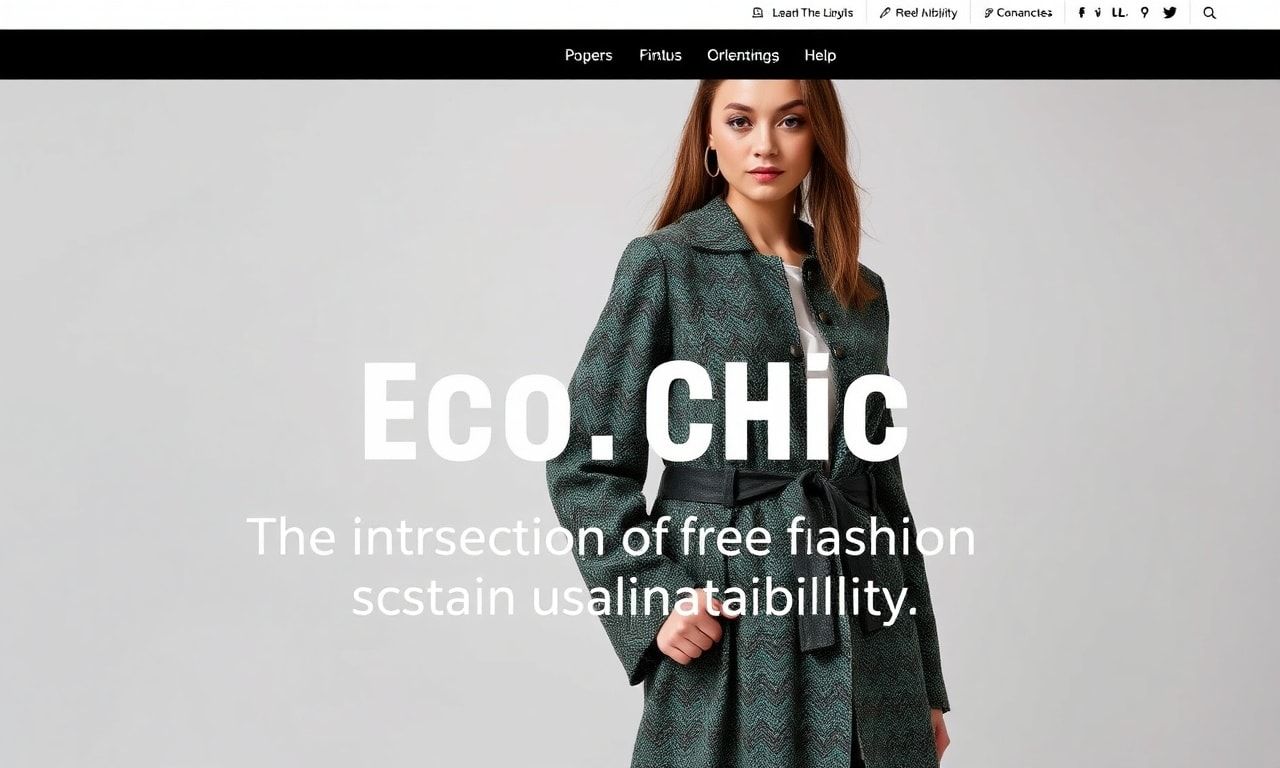
The Rise of Eco-Conscious Fashion
The fashion industry is undergoing a significant transformation, with sustainability taking center stage. As consumers become more aware of the environmental impact of their purchasing decisions, there’s a growing demand for eco-friendly fashion. This shift is not just a trend but a movement towards a more responsible and ethical approach to style. Brands are now focusing on sustainable materials, ethical production processes, and transparency in their supply chains.
Eco-conscious fashion is about making choices that are kind to the planet without compromising on style. It’s a balance between looking good and doing good. From organic cotton and recycled polyester to innovative materials like Piñatex and mushroom leather, the options for sustainable fashion are expanding rapidly. This movement is not just about the materials used but also about the entire lifecycle of a garment, from production to disposal.
The Role of Technology in Sustainable Fashion
Technology is playing a pivotal role in the evolution of eco-conscious fashion. Innovations in textile production, such as waterless dyeing and 3D knitting, are reducing the environmental footprint of the industry. Digital platforms are also enabling brands to connect directly with consumers, promoting transparency and accountability. Additionally, technology is helping in the development of new, sustainable materials that are both eco-friendly and stylish.
One of the most exciting developments in sustainable fashion is the use of biotechnology. Scientists are exploring the potential of algae, bacteria, and other organic materials to create fabrics that are not only sustainable but also have unique properties. These innovations are paving the way for a future where fashion is not just about looking good but also about contributing positively to the environment.
Innovative Materials in Sustainable Fashion
The fashion industry is constantly evolving, and one of the most exciting areas of innovation is in the development of new, sustainable materials. These materials are not only eco-friendly but also offer unique properties that make them highly desirable. For example, Piñatex is a leather alternative made from pineapple leaves, while mushroom leather is created from mycelium, the root structure of mushrooms. These materials are not only sustainable but also offer a unique texture and appearance that sets them apart from traditional leather.
Another innovative material is recycled polyester, which is made from post-consumer waste like plastic bottles. This material is not only eco-friendly but also offers the same durability and performance as traditional polyester. Similarly, organic cotton is grown without the use of harmful pesticides and fertilizers, making it a more sustainable option for fashion brands. These materials are just a few examples of the many innovations that are driving the sustainable fashion movement forward.
The Importance of Ethical Production
Sustainable fashion is not just about the materials used but also about the entire production process. Ethical production practices are crucial for ensuring that fashion is not only eco-friendly but also socially responsible. This includes fair wages, safe working conditions, and respect for workers’ rights. Brands that prioritize ethical production are not only contributing to a more sustainable industry but also to a more just and equitable society.
One of the key aspects of ethical production is transparency. Consumers are increasingly demanding to know where their clothes come from and who made them. Brands that are transparent about their production processes are not only building trust with their customers but also setting a new standard for the industry. This transparency extends to the use of sustainable materials, as consumers want to know that the fabrics they are wearing are not only eco-friendly but also ethically sourced.
Choosing the Right Brands
With the growing demand for sustainable fashion, there are now more options than ever for eco-conscious consumers. However, not all brands are created equal, and it’s important to do your research before making a purchase. Look for brands that prioritize sustainability and ethical production practices. These brands often use eco-friendly materials, such as organic cotton, recycled polyester, and innovative materials like Piñatex and mushroom leather. They also prioritize transparency in their supply chains, ensuring that their products are not only eco-friendly but also ethically made.
When choosing a brand, it’s also important to consider their commitment to sustainability. Look for brands that are certified by organizations like the Global Organic Textile Standard (GOTS) or the Fair Trade Certified label. These certifications ensure that the brand is meeting high standards for sustainability and ethical production. Additionally, look for brands that are transparent about their production processes and are willing to share information about their suppliers and manufacturers. By choosing brands that prioritize sustainability and ethical production, you can contribute to a more responsible and eco-friendly fashion industry.
For those looking to explore the best fashion brands for eco-conscious fashion, there are many options available. From established brands like Patagonia and Stella McCartney to emerging brands like Reformation and Mara Hoffman, there are plenty of choices for eco-conscious consumers. These brands not only offer stylish and sustainable options but also prioritize ethical production practices. By supporting these brands, you can contribute to a more sustainable and responsible fashion industry.
The Future of Sustainable Fashion
The future of sustainable fashion is bright, with innovations in materials, technology, and production processes driving the industry forward. As consumers become more aware of the environmental impact of their purchasing decisions, the demand for eco-friendly fashion will continue to grow. This shift is not just a trend but a movement towards a more responsible and ethical approach to style.
One of the most exciting developments in sustainable fashion is the use of biotechnology. Scientists are exploring the potential of algae, bacteria, and other organic materials to create fabrics that are not only sustainable but also have unique properties. These innovations are paving the way for a future where fashion is not just about looking good but also about contributing positively to the environment.
Another key aspect of the future of sustainable fashion is the role of technology. Innovations in textile production, such as waterless dyeing and 3D knitting, are reducing the environmental footprint of the industry. Digital platforms are also enabling brands to connect directly with consumers, promoting transparency and accountability. These technologies are not only making fashion more sustainable but also more accessible and inclusive.
Conclusion
Sustainable fashion is not just a trend but a movement towards a more responsible and ethical approach to style. By choosing eco-friendly materials, prioritizing ethical production practices, and supporting brands that are committed to sustainability, we can contribute to a more sustainable and responsible fashion industry. The future of sustainable fashion is bright, with innovations in materials, technology, and production processes driving the industry forward. As consumers, we have the power to shape the future of fashion by making conscious choices that are kind to the planet and its people.
Ready to refresh your wardrobe and beauty routine? Discover the latest trends to transform your style with our comprehensive guide.
Delve into the fascinating world of beauty rituals with our latest feature, the history of daily creams, and discover how these timeless trends continue to shape your skincare routine.
If you’re a fan of the intersection of fashion and film, don’t miss our latest feature on the behind-the-scenes glamour of the Beijing Film Festival, where style trends and cinematic magic collide.