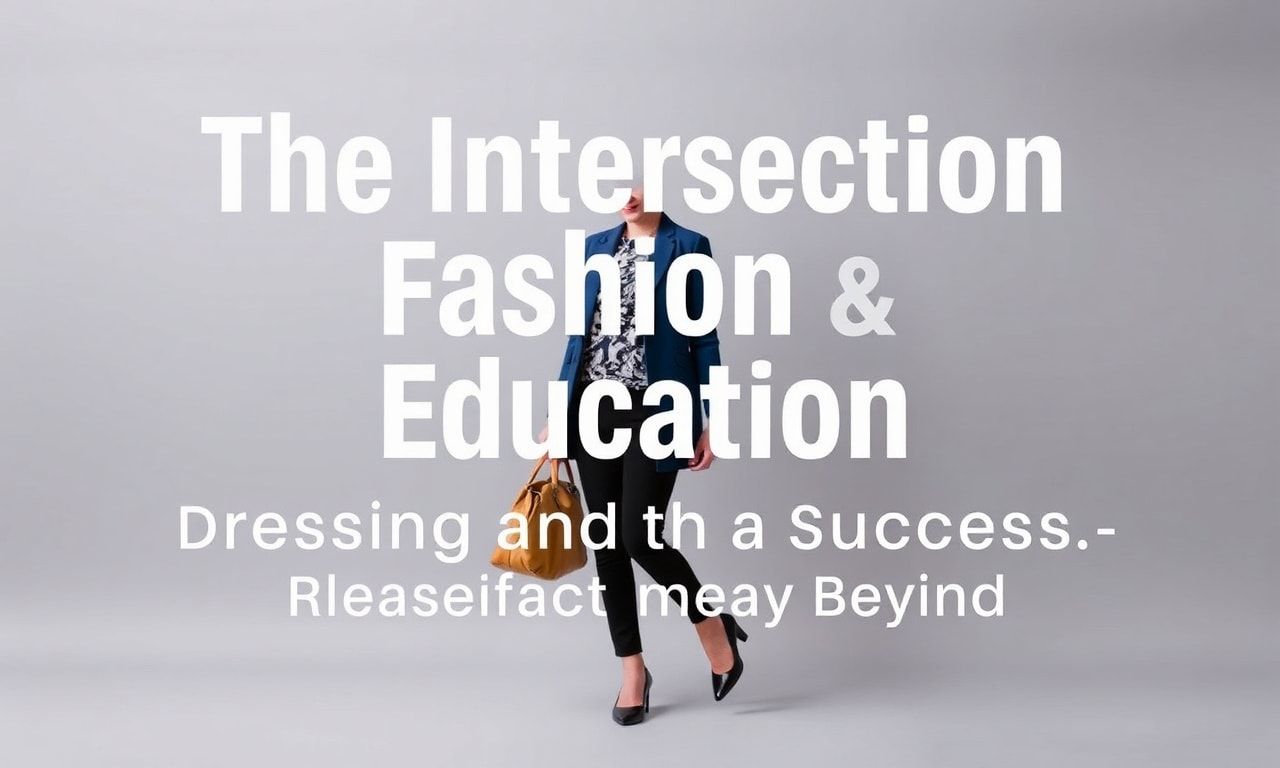
The Power of Dressing Well: Beyond Aesthetics
Fashion is more than just clothing; it’s a form of self-expression, a means of communication, and a tool for empowerment. In the realm of education, the way we dress can significantly impact our confidence, focus, and even academic performance. As students and educators navigate the complexities of learning environments, understanding the role of fashion becomes crucial. This article explores how fashion influences educational settings and offers practical tips for dressing for success in the classroom and beyond.
The Impact of Fashion on Learning Environments
Research has shown that what we wear can affect our cognitive abilities and overall mood. For students, dressing appropriately can enhance concentration and participation in class. Educators, on the other hand, often use their attire to establish authority and professionalism. The connection between fashion and education is a fascinating one, and it’s essential to recognize its potential to transform learning experiences.
In recent years, there has been a growing emphasis on the importance of school uniforms. Uniforms can promote a sense of community and reduce distractions, allowing students to focus more on their studies. However, it’s also crucial to consider the role of personal style within these guidelines. Encouraging students to express their individuality through accessories or approved variations can foster creativity and self-confidence.
Dressing for Success: Tips for Students
For students, dressing for success in the classroom involves finding a balance between comfort and professionalism. Here are some tips to help students make the most of their wardrobe:
- Choose Comfortable Clothing: Opt for fabrics that allow ease of movement and comfort throughout the day. Comfortable clothing can help students stay focused and engaged in their studies.
- Dress Appropriately for the Occasion: Different settings may require different attire. For example, a formal presentation might call for a more polished look, while a casual study session might allow for more relaxed clothing.
- Express Your Personality: Use accessories or approved variations in uniforms to showcase your unique style. This can boost self-confidence and make the learning experience more enjoyable.
- Plan Your Outfits in Advance: Preparing outfits the night before can save time and reduce morning stress. It also ensures that you’re dressed appropriately for the day’s activities.
The Role of Fashion in Professional Development
For educators, fashion plays a significant role in professional development and establishing authority in the classroom. Dressing professionally can command respect and create a positive learning environment. Additionally, educators can use fashion as a teaching tool, incorporating discussions about appropriate attire for different settings into their lessons.
Incorporating fashion into the curriculum can also help students develop essential life skills, such as understanding dress codes and personal branding. By exploring the intersection of fashion and education, students can gain a deeper appreciation for the role of attire in various aspects of life.
Community Involvement and Fashion
Beyond the classroom, fashion can also play a role in community involvement and education funding initiatives. For instance, local fashion shows or charity events can raise awareness and funds for educational programs. These events not only showcase the creativity of the community but also highlight the importance of supporting education. For more information on how fashion and education intersect in community initiatives, you can explore resources like Hempstead education funding updates.
Conclusion: Embracing Fashion in Education
The intersection of fashion and education offers a wealth of opportunities for personal and professional growth. By understanding the impact of attire on learning environments, students and educators can harness the power of fashion to enhance their educational experiences. Whether through dressing for success in the classroom or participating in community fashion events, embracing fashion in education can lead to a more enriching and empowering learning journey.