
Promoting Your Event in the USA: A Fashion Reader’s Guide
A clear, practical guide for fashion-focused readers on promoting events in the USA, with buyer tips, pitfalls to avoid, and actionable steps.

If you’re planning a fashion event and want it noticed in the United States, this guide gives you practical steps, clear options, and concrete checks. You’ll learn how to choose the right channels, craft messages that fit fashion audiences, and avoid common missteps. The goal is to help you promote with confidence, not hype.
We’ll compare channels that work for fashion events—from social edits to press-friendly outreach—so you can match tactics to your budget and target crowd. Expect plain, actionable guidance you can apply right away. This is written for real readers, with no fluff or jargon.
By the end, you’ll have a plan you can tailor: what to do first, what to avoid, and how to measure results without chasing phantom metrics.
- Identify the best channels for fashion-event promotion and tailor messages to each audience.
- Prepare a concise press kit and ready-to-share visuals to support editors and influencers.
- Balance local and national tactics with a clear schedule and layered assets.
- Avoid common pitfalls by ensuring mobile-friendly designs, consistent branding, and practical RSVP paths.
Basics for visibility
Audience-fit channels
Start by identifying where your target audience already spends time. For fashion events, this often means curated social feeds, fashion blogs, and local lifestyle outlets. Match your message to the tone these channels expect: crisp, stylish, and free of excess jargon. A precise invitation works better than a long pitch. promote your event in the USA is a practical step for any designer looking to expand local visibility.
Next, align your creative with the channel: a bold visual for social, a short, punchy summary for emails, and a more detailed press note for outlets. Use imagery that communicates the event's mood and style. This consistency helps followers recognize your brand at a glance.
Finally, set a realistic schedule. Release a teaser early, then follow with practical details as the date approaches. Give readers a clear reason to attend and a simple way to RSVP or learn more.
- Identify top platforms for your audience
- Create channel-specific messages
- Schedule staged reveals
Standout visuals
Visuals drive attention, but they must stay readable at a glance. Choose a color palette that echoes your collection and keep typography legible. Avoid clutter by highlighting only essential details like date, venue, and a single CTA.
Use one strong hero image and a supporting grid that echoes the event’s vibe. If you use models, ensure the styling reflects current trends without obscuring the message. A cohesive look builds credibility and makes your event memorable.
Finally, test your visuals on different devices. What looks sharp on desktop can blur on a mobile screen. A quick check in real-world conditions saves last-minute corrections.
Channels that work for fashion events
Media outreach basics
Build a concise media list based on relevance and reach. Include local fashion editors, lifestyle reporters, and trade outlets that cover events. Personalize each note with a clear link to your visual assets and a brief reason why the event matters to their readers. Business TV news can help reach a broader audience with credible attention.
Provide a solid press kit: a one-page summary, high-res assets, and a practical media timetable. Make it easy for editors to quote you or reference key visuals. Avoid sending long, unfocused emails that bury the main point.
Follow up with a friendly reminder a few days before the event. A respectful nudge can help your invitation rise above crowded inboxes without feeling pushy.
- Curate a targeted media list
- Offer clear assets and quotes
- Schedule timely follow-ups
Influencer and partner tactics
Collaborate with fashion-focused influencers who align with your brand’s aesthetic. A well-chosen partner amplifies reach and adds credibility. Provide them with ready-to-use content and a plausible on-site experience to share.
Offer partners concrete benefits: early access, exclusive previews, or backstage access. When the value is clear, both sides share authentic, on-brand content. Avoid forced endorsements that clash with your event’s style.
Plan a seamless on-site experience that translates to social posts. Design simple catches for stories, reels, and live glimpses that feel natural rather than scripted.
- Choose partners aligned with style
- Provide ready-to-share assets
- Create an on-site social moment
Practical options by goal
Local versus national reach
Local events benefit from neighborhood networks, boutique partnerships, and community calendars. Local press responds to proximity and relevance, so highlight local designers and venues. A clear city-specific pitch helps editors see the event’s value to their readers. get your business listed in the USA requires thoughtful listings that highlight relevance to readers.
- Tailor messages by audience
- Provide ready-to-use assets
- Plan a layered launch
National attention requires scalable assets and a strong narrative that travels beyond place. Use universal fashion vocabulary, clear dates, and a CTA that invites RSVP regardless of location. A media kit with downloadable assets supports multiple outlets.
Consider hybrid tactics: a local launch with a national teaser to broaden interest. This approach builds momentum while keeping logistics manageable.
- Local focus supports local press
- National reach needs scalable assets
- Hybrid plans maximize exposure
| Option | Reach type | Best use |
|---|---|---|
| Local press | Local reach | Community-oriented events |
| National outlets | Broad reach | Seasonal or big launches |
| Influencer partnerships | Social amplification | Direct audience engagement |
Event format and media fit
A seated runway show differs from an immersive activation; match your format to the media you want to attract. A preview lookbook suits editors, while behind-the-scenes access attracts lifestyle reporters. Clarify what makes the event newsworthy beyond the clothes.
For fashion-press audiences, detail the collection story, designer notes, and styling cues. For broader outlets, offer a human angle—curation choices, local flavor, or community impact. Clear angles help editors decide quickly if they should cover you.
End with a practical RSVP path and accessibility details. A straightforward process reduces friction for editors and readers alike.
Test every touchpoint on a phone as if you were a first-time visitor.
Pitfalls to avoid
Common missteps
Overestimating reach and underdelivering on details leads to low attendance. Always pair a bold concept with clear logistics: date, location, time, and how to RSVP. In fashion, a strong image without usable information loses impact fast. place an advert in the USA should align with the event’s fashion narrative and timing.
- Overpromising without logistics
- Ignoring mobile design
- Inconsistent branding
Neglecting mobile usability hurts engagement. If links fail or pages don’t load, readers abandon the invitation. Test every touchpoint on a phone as if you were a first-time visitor.
Forgetting consistency across channels creates confusion. A misaligned voice or visuals makes the event feel unfocused. Maintain the same aesthetic and message in all materials.
- Match ambition with precise details
- Ensure mobile readiness
- Keep a consistent look and voice
Timing and cadence
Timing affects visibility. Too early and people forget; too late and seats fill before you announce. Create a simple calendar with milestones, including asset releases and RSVP deadlines. A steady cadence reduces last-minute pressure.
Be mindful of competing events in fashion weeks or peak shopping periods. Plan around these times to maximize attention rather than compete with larger campaigns. A focused schedule helps editors and audiences prioritize you.
Avoid last-minute edits that alter the event's core message. Consistency protects credibility; changes should be minor and well-communicated.
Alternative channels
Influencer outreach tactics
Start with a targeted list of micro-influencers who align with your event’s style and audience. Reach out with a concise pitch that highlights visual assets and a clear guest experience. Offer exclusive previews or backstage access to incentivize authentic coverage. funeral notices in the USA
Build a simple collaboration calendar to avoid overlapping posts and to maximize timing across platforms. Provide ready-made assets like mood boards, captions, and event hashtags. Track mentions and engagement to adjust outreach as needed.
- Target 5–8 micro-influencers with niche followings
- Provide media kit with visuals and dates
- Offer backstage access or VIP seating
- Schedule posts to avoid clashing with other promotions
- Monitor and adapt based on early results
Creative collaborations
Collaborative fashion experiences
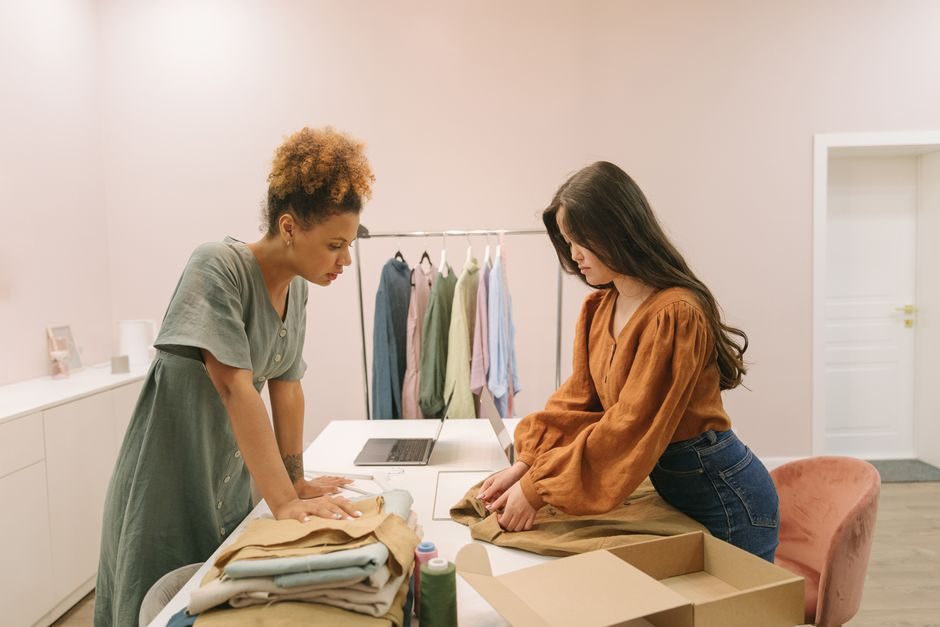
Pair your event with a limited-edition collection or design challenge that showcases the season’s trends. Document the creative process with short videos and candid photos to share before and after the reveal. This builds anticipation and gives attendees a tangible takeaway.
Coordinate with designers or boutiques for co-hosted panels, styling sessions, or pop-up shops. Offer attendees exclusive previews or discounts, and create shareable moments on-site. Keep the event schedule tight to maintain momentum and social buzz.
- Co-host panels with designers
- Offer on-site styling sessions
- Create limited-edition items
- Provide attendee discounts
- Share backstage content
Global reach considerations
Timing for cross-border audiences
Think about time zones when planning live streams or regional promos. Offer alternate viewing times or on-demand recaps to accommodate different audiences. A well-timed release can expand your reach without creating fatigue for any single audience.
Use multilingual assets or captions for key materials to broaden accessibility. Consider partner channels in markets with strong fashion communities, and tailor playlists or lookbooks to regional styles. This approach helps your event feel inclusive and globally relevant.
- Time-zone aware scheduling
- On-demand alternatives
- Multilingual captions
- Regional partner channels
- Inclusive promotional materials
Sustainable event promotion
Low-impact promotional methods
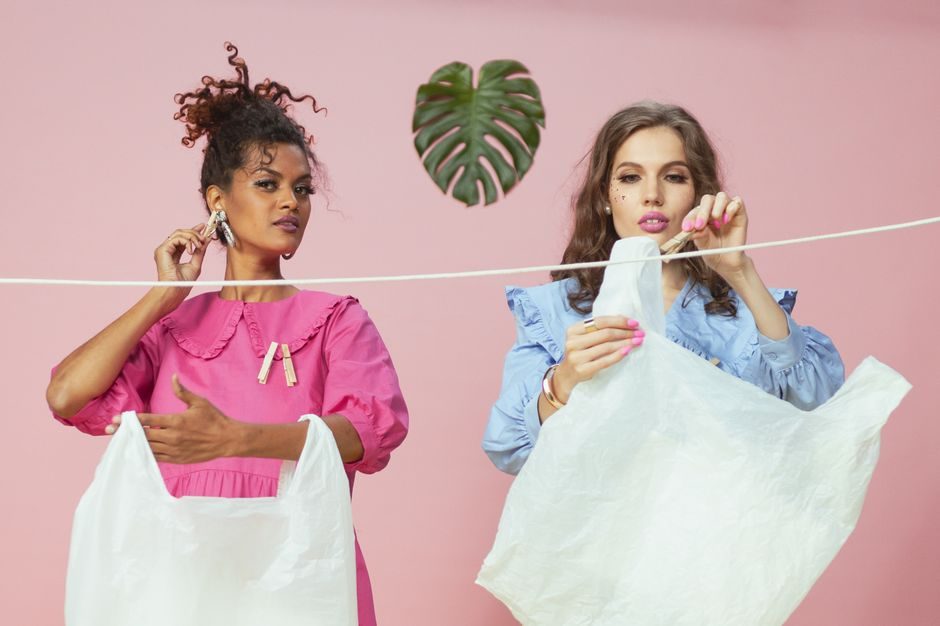
Prioritize digital invitations and invites-only guest lists to minimize printed materials. Choose eco-conscious venues and emphasize recycled or reusable decor for any on-site visuals. Communicate sustainability goals clearly to attendees so the message feels authentic.
Highlight responsible fashion and upcycling themes in your promotions, featuring garments or accessories that showcase longevity. Encourage guests to bring reusable water bottles and offer refill stations. The overall experience should reflect a mindful approach to consumption.
- Digital invitations
- Eco venues and decor
- Sustainability messaging
- Promote longevity in fashion
- Reduce single-use items
Frequently asked questions
How early should promotion start for a fashion event in the USA?Begin at least four to six weeks before the event with a teaser, followed by more detailed invites two to three weeks prior. Maintain a steady drumbeat of content to build interest without fatigue. Coordinate with partners to avoid overlapping promotions.
What channels typically perform best for fashion events?Visual platforms that support video and images tend to perform well. Focus on a mix: Instagram for visuals, TikTok for short-form clips, and a dedicated event page or newsletter for details. Align posts with backstage moments, lookbooks, and exclusive previews.
How can I reach international audiences without overextending resources?Leverage partner channels in key markets and offer on-demand content in multiple time zones. Use captions and localized visuals to improve accessibility. Prioritize a few strong partners rather than broad, scattered outreach.
What should I avoid in event promotion?Avoid overpromising, inconsistent branding, and generic invites. Don’t rely on a single channel and don’t ignore attendee feedback. Stay true to the fashion narrative and ensure every touchpoint delivers value.
Conclusion
Takeaway: clear, stylish promotions work when stories, visuals, and guest experiences align. Build momentum with a few strong partnerships and practical incentives that make attendees want to share.
Take the next step: draft a simple 3-week promotion plan that assigns owners for content, partnerships, and on-site moments, then review it with your team for feasibility and tone.
Add Bed Design Ideas & Styles as a preferred source on Google


