
How to add your fashion business to a USA directory for visibility
A practical checklist for fashion brands to get listed in a USA business directory, with steps, pitfalls, and tips tailored for style-focused readers.

If you want your fashion brand to be found by U.S. shoppers and boutique buyers, adding your business to a directory is worth planning. This guide walks you through the exact steps, what to prepare, and how to present your fashion story so you stand out. You’ll learn when a listing helps, and how to avoid common missteps that waste time and effort.
Start with a clear goal for the listing: more traffic, more inquiries, or better credibility. Gather essentials like your brand name, location, contact options, and a short description that mirrors your style voice. Then choose directories that reach your target customers without clutter.
Finally, treat the listing like a product page: showcase visuals, keep updates current, and monitor results so you know what works and what needs tweaking. The right directory can become a steady source of introductions to new audiences.
- This guide helps fashion readers decide when and how to list a business in a USA directory and how to optimize the profile for fashion audiences.
- Prepare a strong brand statement, accurate shop details, and striking visuals to capture interest quickly.
- Choose appropriate directories, refresh content regularly, and track results to improve over time.
Basics of listing your fashion business
Choose the right directory
Begin with reputable directories that focus on local audiences or fashion-specific networks. Look for listings that allow visuals, a link to your site, and clear contact options. Assess how often the directory updates, as fresh content keeps your listing appearing in searches. add your business to the USA business directory helps you gain local visibility and credibility within fashion circles.
- Forgetting to claim your listing, which limits visibility
- Using an outdated address or contact method
- Neglecting to add imagery or a compelling description
A strong profile includes your brand name, city, and a concise value statement. Prepare a short tagline that reflects your aesthetic, such as modern craftwear or street-ready silhouettes. This helps your listing resonate with the right shoppers.
If possible, gauge the directory’s reach by checking how many similar brands appear and how active the community is. Active directories offer better chances for profile visits and customer inquiries.
- Opt for directories with visual opportunities (logo, banner)
- Ensure contact methods are current
- Use a consistent brand description across sites
- Update location and hours when they change
- Prefer directories that publish curated fashion lists
Optimize the listing for search
Use keywords that match how shoppers search for fashion in your city. Include product terms like dresses, outerwear, or accessories, and local references such as neighborhood or district.
Create a narrative that links your brand to the local scene—think retail neighborhood, pop-ups, or showroom events. This makes the listing feel timely and relevant.
Monitor the listing’s performance through basic metrics: visits, clicks, and inquiries. Small adjustments to keywords or visuals can lift engagement without changing your core brand.
How to present your fashion brand

Craft a concise brand statement
Write a short paragraph that captures your aesthetic, customer promise, and what makes your pieces unique. Keep it under 100 words so readers quickly grasp your vibe. If you want the latest update on fashion markets, read the latest news USA to stay informed before listing.
Include a few data-free facts such as materials, sizing philosophy, and care instructions. These details build trust without sounding generic.
Pair the statement with 2-3 high-quality images that demonstrate your style in real life. Visual proof reinforces the words and helps conversions.
- Keep language specific to your topic
- Highlight what sets you apart
- Match tone to target audience
Provide essential shop details
List your storefronts, hours, and contact options clearly. If you operate online, include shipping regions and typical response times to set expectations.
Add your social handles and a link to a product catalog or lookbook. A direct path from directory to product boosts conversion.
Ensure any promotions or seasonal notes are current to avoid mismatches between listing and in-store/offline events.
- Clear hours and contact methods
- Active social links
- Direct catalog link
- Seasonal notes up-to-date
Options for fashion directories
Local vs. national platforms
Local directories help you reach nearby boutiques and customers who value a community feel. National platforms widen exposure but may require stronger visuals to stand out. publish local events in the USA can boost audience interaction and drive foot traffic or online interest.
- Identify top local directories
- Register and verify your listing
- Upload visuals and brand story
- Monitor engagement and adjust
Pair both types: local platforms for foot traffic and national ones for brand presence. Consistency in branding helps cross-channel recognition.
Evaluate costs and benefits: some directories offer premium placements or features, others rely on basic listings.
- Local reach may drive boutique collaborations
- National exposure raises brand visibility
- Consistent visuals aid recognition
Industries vs lifestyle directories
Fashion directories that focus on lifestyle allow you to connect with readers who value aesthetic, not just products. Industry-specific lists attract buyers and stylists seeking new labels.
Tailor your description to appeal to those readers: emphasize craftsmanship, seasonal lines, and size inclusivity if relevant.
Regularly refresh the imagery to reflect new collections and seasonal moods.
- Lifestyle audiences expect story and mood
- Industry buyers want product specifics
- Refresh visuals seasonally
If a listing lacks product details or contact options, users will move on quickly, preferring listings that answer basic questions.
Pitfalls to avoid

Overstating capabilities
Avoid promising nationwide coverage or rapid growth you cannot deliver. Be honest about where you ship and who you serve. Misleading claims erode trust and invite scrutiny. used items for sale in the USA listings can expand your reach for vintage or sustainable fashion segments.
Provide a realistic timeline for updates and responses to inquiries. Consistency matters more than loud claims.
If a listing lacks product details or contact options, users will move on quickly, preferring listings that answer basic questions.
- Be transparent about reach
- Clarify service areas
- Keep response times reasonable
Ignoring mobile users
Many readers search directories on mobile devices. Ensure your listing loads quickly, images render properly, and contact options are tappable.
Use vertical, high-contrast images that display well on small screens and maintain brand mood.
Test how your listing appears on a phone to catch layout issues before readers see them.
- Optimize image sizes
- Check tap targets
- Test across devices
How to measure listing success
Track impressions and clicks
Measure how many people see your listing and how many interact with it. Compare the ratio of views to clicks over several weeks to gauge interest. Use this to adjust headlines and imagery for better engagement. place an obituary in the USA
For each update, note whether clicks increased after a photo change or a different caption. Small shifts can indicate what resonates with fashion readers who browse quickly.
The goal is to identify a clear pattern: which visuals or copy drive more action, and which ones cause scroll pasts.
Best practices for visuals and copy
High-impact product photography
Use clean backgrounds and natural lighting to showcase fabrics and silhouettes. Close-ups of textures help readers judge quality. Consistency across images builds recognition for your brand.
Experiment with lifestyle shots that show the product in motion or on a model to convey styling potential. Include at least one detailed shot per listing.
Avoid cluttered backdrops and busy color schemes that distract from the product details.
- Use natural light when possible
- Include three angles per item (front, side, detail)
- Maintain a consistent editing style
- Place the product in a relatable context
Local partnerships and events
Collaborate with nearby boutiques
Reach out to nearby boutiques for joint in-store events or cross-promotions online. A collaborative listing can appear in both businesses’ directories and emails. This amplifies reach without a large budget.
- ☐ Identify complementary brands in your area.
- ☐ Set a shared date and cross-promotional plan.
- ☐ Prepare a simple landing page for the event.
- ☐ Follow up with attendees after the event.
Plan a small mixer or trunk show that highlights your collections alongside partner brands. Use the event to collect signups for your newsletter or loyalty program.
Document the collaboration with a simple recap post that includes photos and a clear call to action, so readers can find you later.
- Partner with 2–3 nearby stores
- Coordinate a shared newsletter teaser
- Feature the event with a recap post
- Offer exclusive in-directory promotions
Maintenance and updates
Schedule regular profile reviews
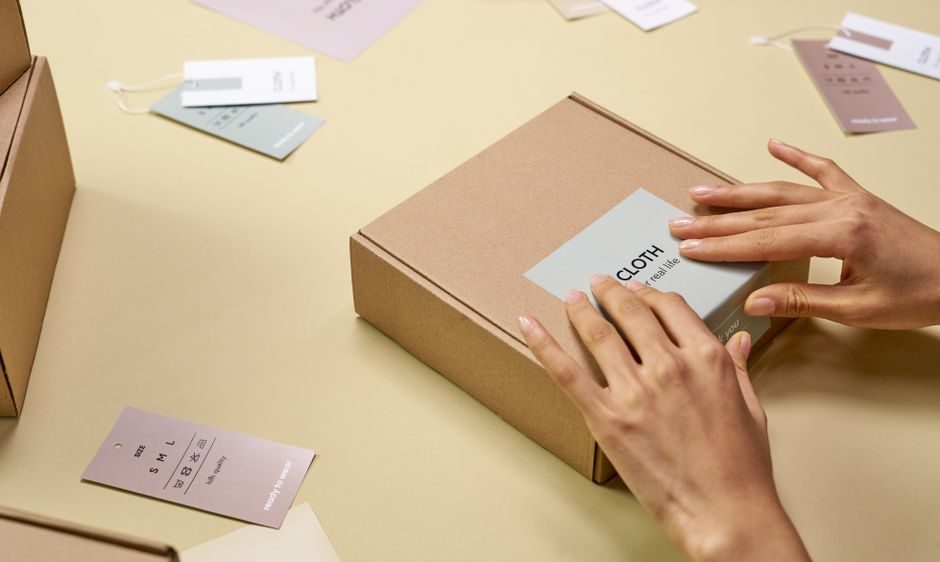
Set a monthly reminder to check your listing for accuracy. Update product lines, prices, and new photos as needed. Readers expect current information in fashion spaces.
Keep copy fresh with seasonal styling notes and editorial captions that reflect current trends without overpromising.
Audit user-generated reviews and respond professionally to feedback to preserve credibility.
- Review listings monthly
- Refresh imagery seasonally
- Update pricing and stock
- Respond to reviewer feedback
Frequently asked questions
How often should I update my listing?Update your listing any time you have new product drops, price changes, or stock updates. A monthly audit is a practical baseline to catch outdated information before readers encounter it.
Can I run promotions through the directory?Many directories support offer codes or bundles. Keep promotions clear, time-bound, and aligned with your brand voice so readers understand the value without feeling overwhelmed.
What visuals work best for fashion listings?Clean product photos with consistent lighting, multiple angles, and a lifestyle shot that shows styling potential perform well. Avoid cluttered backdrops that distract from the garment.
How do I measure success beyond views?Track clicks, saves, and inquiries tied to your listing over several weeks. Look for steady improvements after a photo or caption update to confirm what resonates.
Final steps for visibility
Take stock of your current listing materials and identify one change you can make this week that would improve clarity or appeal.
Then set a simple schedule to review visuals and copy quarterly, keeping pace with seasonal fashion shifts and reader expectations.
Add Bed Design Ideas & Styles as a preferred source on Google


