
Promoting Your Brand in Spain: A Fashionable Guide for Creators
Learn how to promocionar tu empresa en España with clear steps, smart choices, and fashion-minded tips that resonate with style lovers and local audiences.

If you want your fashion label to reach a Spanish audience, start with clear aims and local context. This explainer shows what works when promoting a business in Spain, with fashion-friendly angles and practical steps. You’ll get concrete ways to tell your story, connect with buyers, and measure impact without costly missteps.
From there, you’ll see why local relevance matters—colors, textures, and style cues that resonate with Spanish shoppers. The guide breaks down the basics into bite-sized actions you can implement today. Expect realistic examples and plain language that helps you plan content and partnerships with confidence.
By the end, you’ll know which channels suit fashion brands in Spain, how to align promotions with seasonal trends, and how to keep messaging authentic while growing your audience. The aim is practical clarity so you can move from idea to execution without guesswork.
- Identify your Spain-focused audience and tone using local cues.
- Choose a small set of effective channels and maintain a consistent posting rhythm.
- Avoid generic, distant imagery; prioritize real-world styling and local partnerships.
- Test ideas with small groups, adjust tone, then scale with a clear measurement plan.
Foundations for a Spain-focused fashion brand
Audience and tone
Understanding your local reader is essential. Start by mapping age groups, preferred styles, and shopping moments in Spain, then tailor visuals and captions to fit. For a fashion site, accents such as vibrant palettes or minimalist chic can guide creative decisions. This alignment helps content feel native, not imported. promocionar tu empresa en España is a phrase that signals the goal of adapting outreach for local markets.
Identify the brand voice that travels well in Spain without losing personality. A warm, confident tone often travels better than slick, generic messaging. Use simple language and concrete examples to keep fashion readers engaged.
Audiences respond to relevance and rhythm in posting. Mix product highlights with styling tips, editorial ideas, and real-world use cases to show practical value.
- Know the top days for shopping events.
- Use local phrases sparingly but authentically.
- Prioritize mobile-friendly visuals.
- Showcase quick styling ideas.
Where to start: channels and formats
Content channels
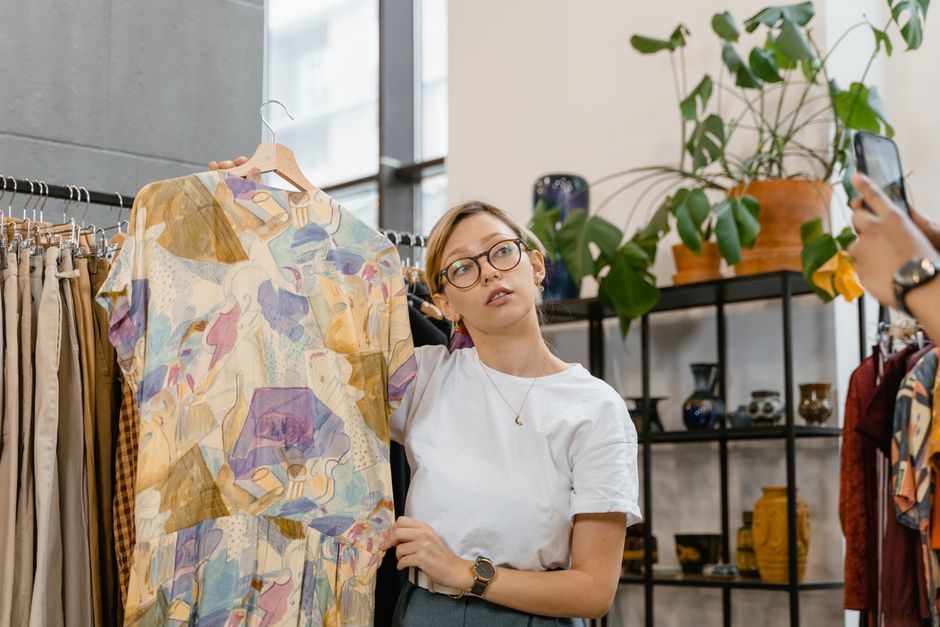
Choose a small set of channels that match your audience habits. If your readers prefer Instagram carousels and TikTok-style reels, prioritize short, visual stories with clear styling tips. Avoid spreading resources to platforms where engagement is low for your niche. España noticias becomes part of a broader news context when fashion brands connect with regional audiences.
Develop a content rhythm: a fashion post, a styling tip, a local feature, and a call to action. Regular cadence builds audience expectations and trust. You can reuse assets across formats to stay efficient.
Track what works by noting saves, shares, and comments rather than vanity metrics alone. This helps refine your approach for future campaigns and seasonal drops.
- Prioritize Instagram and Pinterest for visuals.
- Add regional fashion stories to connect with local readers.
- Use a consistent posting schedule.
- Repurpose shoot assets into mini-guides.
Two common pitfalls and how to avoid them
Planning without local insights
One risk is applying a generic global strategy to Spain. Local fashion readers notice when styling cues or seasonal timing don’t fit the market. Start with a local calendar, then adapt campaigns to showcase regional taste. This reduces misfires and strengthens relevance. eventos locales en España can drive live experiences that enlarge brand presence through style-focused gatherings.
Another trap is over-editing product stories. Fans want realism and warmth, not studio perfection that feels distant. Balance polished visuals with real-world usage and accessible captions.
Always test your ideas with a small audience segment before a wider launch to catch tone or timing issues early.
| Option | Pros | Cons |
|---|---|---|
| Collaborations | Amplifies reach, builds trust | Requires coordination and time |
| In-store events | Direct customer engagement | Logistical effort and cost |
| Content-driven campaigns | Scalable and controllable | May require consistent creativity |
Develop a local collaboration plan: reach small boutiques or styling studios for co-creatives or content shoots that reflect regional taste.
Practical steps to execute now
A starter playbook
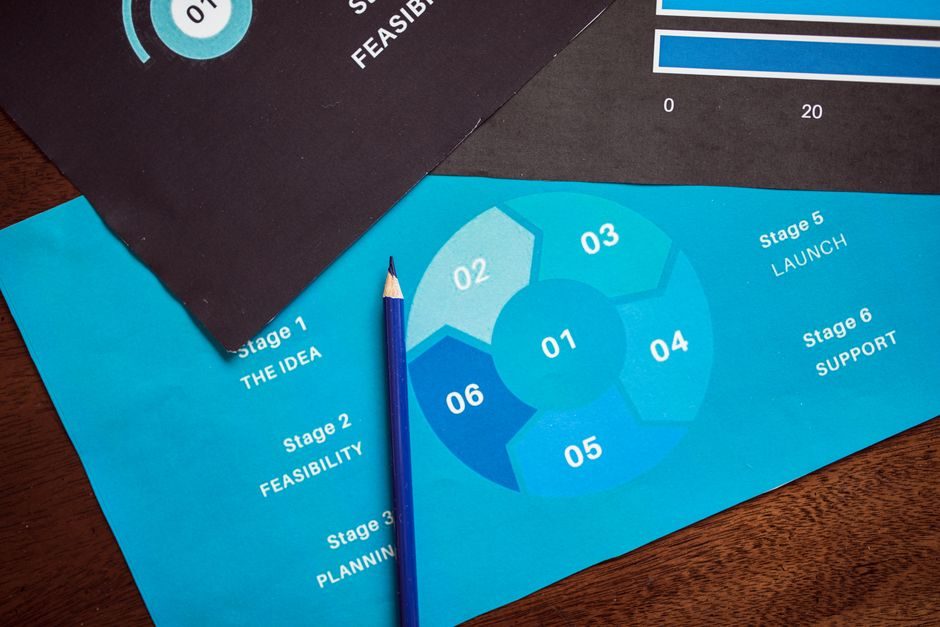
Craft a short, authentic brand statement tailored to Spanish readers. Include a styling angle that matches current trends and a clear value proposition for local buyers. This creates a foundation you can reference across posts and ads. publicar una oferta de empleo en España helps fashion brands attract local talent for creative collaboration and store roles.
Develop a local collaboration plan: reach small boutiques or styling studios for co-creatives or content shoots that reflect regional taste. Such partnerships amplify reach without heavy budgets.
Set up a simple measurement framework: track reach, engagement, saves, and inquiries to understand what resonates over time.
- Define your Spain-focused goal.
- Outline three collaboration ideas.
- Create a lightweight content calendar.
- Monitor one metric consistently.
Sustainability and ethics in fashion promotion
Transparent brand storytelling
Begin with a clear, honest narrative about your materials and processes. Readers respond to brands that own up to what they do well and where they’re still learning. Describe your sourcing, production choices, and how you measure impact in practical terms. necrológicas en España
Show the human side of your supply chain with concrete examples from makers and artisans. Include photos or short captions that reveal daily routines, craftsmanship, and pride in work. This builds trust without lecturing.
Close with a practical commitment that readers can hold you to, like annual progress updates or third-party verifications. Provide a timeline and a way for readers to check how you’re improving over time.
- Be specific about materials
- Share supplier details when possible
- Publish regular impact updates
- Invite feedback from customers
Ethical marketing practices
Marketing should reflect the values you promote in product design. Avoid sensational claims and focus on actual commitments, like fair labor practices or environmental stewardship. This earns credibility with fashion readers who notice every detail.
Explain how campaigns align with your production realities, such as lead times and inventory management. Clear expectations prevent disappointment and build ongoing trust with customers.
End with a practical call to action that invites readers to learn more through your transparent reporting or a behind-the-scenes tour of your studio.
- Avoid hype around sustainability claims
- Provide verifiable details
- Encourage reader participation
- Show measurable progress
Visual storytelling that travels across Spain
Regional fashion tales
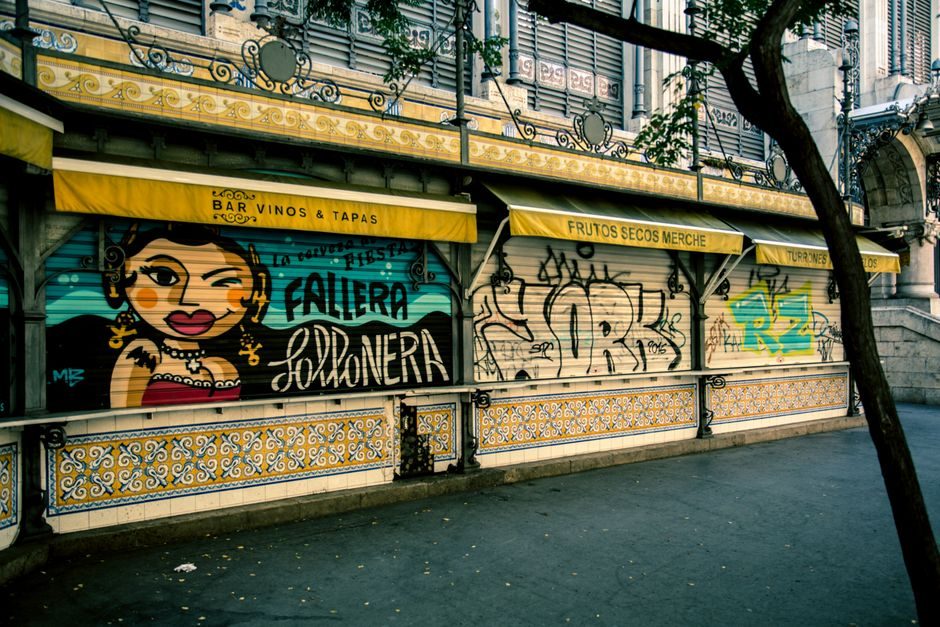
Tell stories that connect cities to local aesthetics without stereotyping. Highlight how regional crafts influence your designs and how you plan to present them in campaigns. Readers get practical ideas for integrating place-based elements into lookbooks and socials.
- Outline a regional release calendar
- Describe at least two collaborating venues
Use photography that showcases diverse landscapes and urban backdrops. Pair clothes with recognizable streets, markets, or landmarks in a way that feels authentic rather than staged.
Conclude with a plan for rotating regional features, so your feed stays fresh and readers see ongoing exploration rather than a single project.
- Capture diverse city scenes
- Highlight regional artisans
- Rotate features to keep content fresh
Create campaigns that feel portable for a national audience, not just a single location. When you shoot, use locations that translate across media channels so a photo works in print, web, and social formats. This helps audiences recognize your brand wherever they encounter it.
Invest in consistent visual language—color palettes, textures, and framing—that travels well between cities. People should feel the brand when they see an image, even if they don’t speak the language of the campaign.
End with a practical checklist to ensure every shoot aligns with your regional storytelling goals and remains adaptable for future markets.
- Use universal visual cues
- Maintain a stable color language
- Plan shoots with cross-channel use in mind
Local media and fashion influencers
Choosing the right partners
Identify local editors, bloggers, and micro-influencers whose audiences overlap with your target readers. Prioritize those who engage in conversations about craft, sustainability, and design futures. Reach out with specific collaboration ideas and respectful expectations.
Offer clear value: exclusive previews, co-created content, or behind-the-scenes access. Make the partnership easy to share by providing ready-to-use assets and aligned messaging.
Track responses to learn which formats work best, such as style guides, queuing lists, or video diaries from shoots. This helps you refine future collaborations.
- Match values, not just reach
- Provide practical collaboration kits
- Analyze engagement patterns
Balance coverage with editorial integrity. When influencers write about you, ensure disclosures are transparent and the promotion remains useful to readers. Avoid over-promise; give readers a clear sense of what they gain and what they don’t.
Cultivate relationships with fashion desks and local media by offering timely, genuinely helpful angles—like fabric innovations or practical styling tips from your team. Consistent, credible outreach yields more durable relationships.
Conclude with a plan to periodically refresh your media list and update collaborations so they stay relevant to changing readers’ interests.
- Maintain clear disclosures
- Offer useful angles
- Refresh media list regularly
Legal and practical advertising notes
Advertising basics for fashion
Understand local advertising rules that affect claims about sustainability, labor, and pricing. Clear guidelines help you avoid fines and protect your brand’s credibility with readers who expect honesty. Translate complex rules into simple phrases you can reuse across channels.
Use explicit captions for product features and materials. Readers appreciate knowing what they’re seeing, especially when it involves sustainability claims or upcycled materials.
Maintain a documented process for reviews and approvals so nothing goes live without checks, especially on social platforms where content can propagate quickly.
- Know the basics of compliance
- Be precise in product claims
- Keep a steady review routine
Practical ad formats that fit fashion
Choose formats that fit how readers consume fashion content, such as mini features, lookbooks, and how-to style guides. These formats let you showcase textures, colors, and details in a natural way. Avoid long, text-heavy blocks that slow down scrolling readers.
Test placements and lengths in a controlled way, recording what resonates. Short, visually driven ads often perform better on social platforms when they align with editorial visuals.
End with a plan to keep ads cohesive with your brand’s voice while staying adaptable to seasonal changes and reader feedback.
- Favor visual, concise formats
- Run controlled tests
- Keep brand voice consistent
Frequently asked questions
How do I start promoting a brand in Spain without overwhelming readers?Begin with a single, honest narrative about your materials and production. Then map two or three practical channels you can sustain and measure over time. A focused plan helps readers feel informed rather than sold to.
What makes regional storytelling effective in fashion marketing?Regional storytelling works when it blends local aesthetics with authentic production details. Show your sourcing, artisans, and landscapes, then connect them to wearable design choices readers can imagine in their own wardrobes.
How can I ensure compliance while publishing fashion content?Know the basics of local advertising rules, disclose paid partnerships, and keep claims about sustainability verifiable. Use a simple internal checklist to prevent errors before content goes live.
What’s a practical next step for a small brand in Spain?Create a quarterly content plan that mixes product stories with two regionally focused features and one collaboration with a local creator. Track reader responses and adjust for the next cycle.
Conclusion: next steps for your brand in Spain
Takeaways: Readers should step into a real storytelling plan that respects regional nuance, with clear governance for sustainability claims. Start by documenting what you do well and where you’re improving, then invite readers to follow along.
Next step: set a quarterly content calendar that blends regional features, influencer partnerships, and transparent progress reports so your brand reads consistently and responsibly across Spain.
Add Bed Design Ideas & Styles as a preferred source on Google


