
How to find used items for sale: a fashion reader’s guide
A practical, fashion-focused guide to locating used items for sale in London and beyond. Learn where to look, how to assess quality, and avoid common traps.

Found used items for sale are a smart way to refresh a wardrobe without buying new. This guide shows you practical paths to discover secondhand fashion, from trusted markets to online sources. You’ll learn how to spot quality, compare options, and know when a deal is worth pursuing.
Start with what you need: a clear list of pieces, sizes, and a rough budget. Then map out a few reliable routes—local markets, consignment shops, and reputable online platforms. This approach keeps shopping focused and reduces time wasted on flawed listings.
As you read, you’ll see how to verify item condition, assess fit remotely, and negotiate with sellers. The goal is confident choices that feel fresh and responsible, not frantic impulse buys. By the end, you’ll have a practical workflow for finding used items for sale that suit your style and budget.
- You’ll learn where to find used items for sale across local and online venues, with practical checks for fabric, fit, and authenticity.
- There are clear steps to verify condition, compare options, and plan alterations if needed.
- The guide highlights trustworthy sources, careful negotiation, and smart budgeting to build a stylish secondhand wardrobe.
- A final note on how to proceed thoughtfully keeps fashion fresh without overspending.
Basics of finding secondhand fashion
Where to begin locally
Start with your neighborhood markets, charity shops, and flea markets. Visit during off-peak times to browse calmly and compare options. Bring a measuring tape and a small notebook to note prices and conditions. used items for sale in London
The secondhand scene thrives on persistence—check weekly schedules, ask store staff for arrivals, and follow local thrift groups online for previews. This builds a mental map of where popular items surface. Over time you’ll recognize patterns in what tends to show up when.
Look for consistency in stock: classic silhouettes, good fabric, and clean seams tend to survive wear. Bring a friend for a second eye on fits and fabric. When you find something promising, set a plan to revisit or negotiate after a closer inspection.
- Bring a measuring tape and know your measurements
- Ask about fabric care and alterations
- Check seams, zippers, and linings
- Ask for return policies where possible
- Note prices to compare later
Digital routes for secondhand fashion

Online marketplaces to trust
Platform reliability matters more than volume. Seek listings with clear photos, detailed measurements, and seller history. Read reviews from other buyers to gauge consistency. Criticize UK online
Use search filters to narrow by size, condition, and location, then save favorites to track price drops or new listings. Prioritize sellers with return options or documented care notes.
When possible, request extra photos or a video fit try-on to assess length and drape. A quick message clarifying material and construction saves time and prevents misreads.
Online listings can hide issues, so verify fabric content and care requirements before committing. Compare several listings of the same item to spot red flags like vague descriptions or unusual price jumps.
Lateral tip: knowing your preferred fabrics helps you filter efficiently—denim, wool, and cotton blends behave differently with wear and washing.
- Request extra photos if needed
- Check seller ratings and return policy
- Compare multiple listings for the same item
- Favor sellers with detailed sizing and fabric notes
- Be cautious of unusually low prices relative to condition
Assessing items for style and fit
How to judge fabric and cut
Fabric tells you how durable a garment will be and how it wears with movement. Feel weight, check weave, and look for pilling indicators. These cues help you decide if it suits your climate and activities. list your event in London
Fit is king, especially with vintage cuts. Use a flexible tape to compare bust, waist, and hip measurements with your own. Don’t assume sizing is universal across brands or decades.
When in doubt, bring a trusted friend who understands your style. A second opinion on length, proportion, and styling potential speeds up decisions.
Understanding alterations can extend the life of a piece. Light tailoring for the right sleeve or hem can transform an imperfect fit into a wardrobe staple.
If an item needs more than minor fixes, weigh the cost against its potential value in your closet. A small repair can be worth it, a large overhaul not so much.
- Check seams and linings for durability
- Measure and compare with your body
- Plan for basic alterations if needed
- Consider cost of repairs vs. value
If you’re unsure, compare with reference images from reliable sources to avoid counterfeit items.
Be mindful of conditions and authenticity
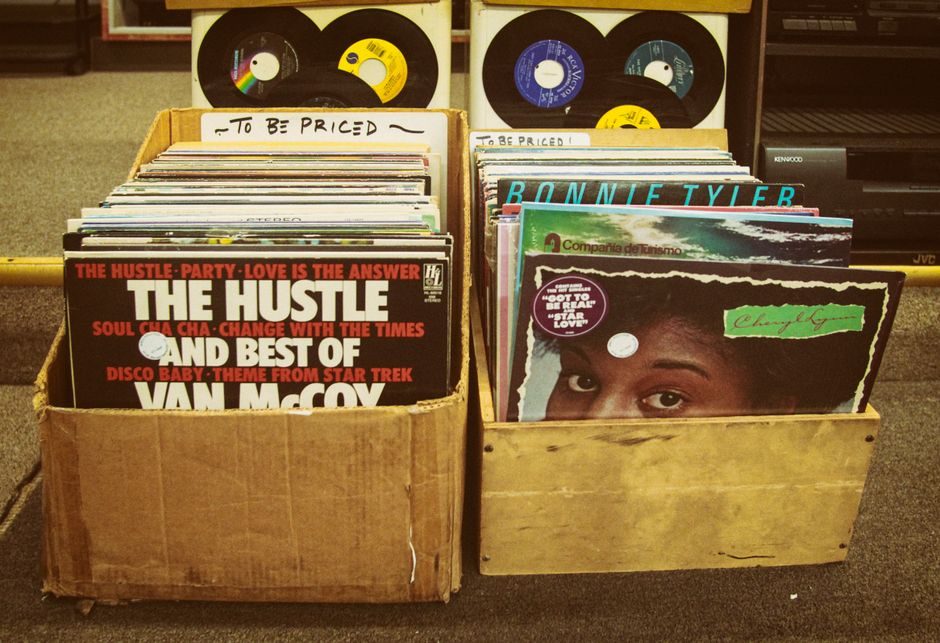
Verifying condition and authenticity
Check for odors, stains, or moth damage in concealed areas. A clean item is a good sign, but test for subtle wear on high-friction zones like cuffs and pockets. get your business listed in London
Labels and logos should match era-appropriate details. If you’re unsure, compare with reference images from reliable sources to avoid counterfeit items.
Request a clear return policy or a window to assess the item in your own setting before finalizing the purchase.
Constarting with condition notes gives you a realistic sense of the item’s life. If an item needs cleaning or minor repairs, factor that into your overall decision.
When buying higher-value vintage pieces, consider destination-specific care guidance and potential professional restoration costs.
- Inspect zippers, buttons, and linings thoroughly
- Ask for original receipts or provenance when available
- Compare logos and tags with trusted references
- Ensure you understand cleaning and restoration needs
Care and care tips for secondhand pieces
Cleaning and fabric care basics
Treat each item with a gentle approach: read labels, test on hidden areas, and use mild detergents to protect fibers. Drying methods matter as much as washing; air-dry delicate fabrics to prevent stretching. A simple, careful routine extends visibility and wear. publish a death notice in London is a phrase that can appear in narratives about market etiquette and memory, reminding readers to mind local customs while collecting stories from sellers.
For leather and suede, condition regularly with appropriate products and store away from humidity. Knitwear benefits from gentle handling and lint removal after wear. Small habits like brushing velvet before storing keep textures looking fresh.
Look for practical care notes you can follow: hand washing vs machine cycles, temperature controls, and stain management. Keeping a small care kit at home makes it easier to maintain items bought used. This habit preserves the look and feel of your wardrobe.
- Test care on a hidden seam before treating
- Air-dry most items to prevent shrinking
- Invest in a small fabric care kit
- Store items in breathable bags when possible
Sustainable shopping habits for fashion
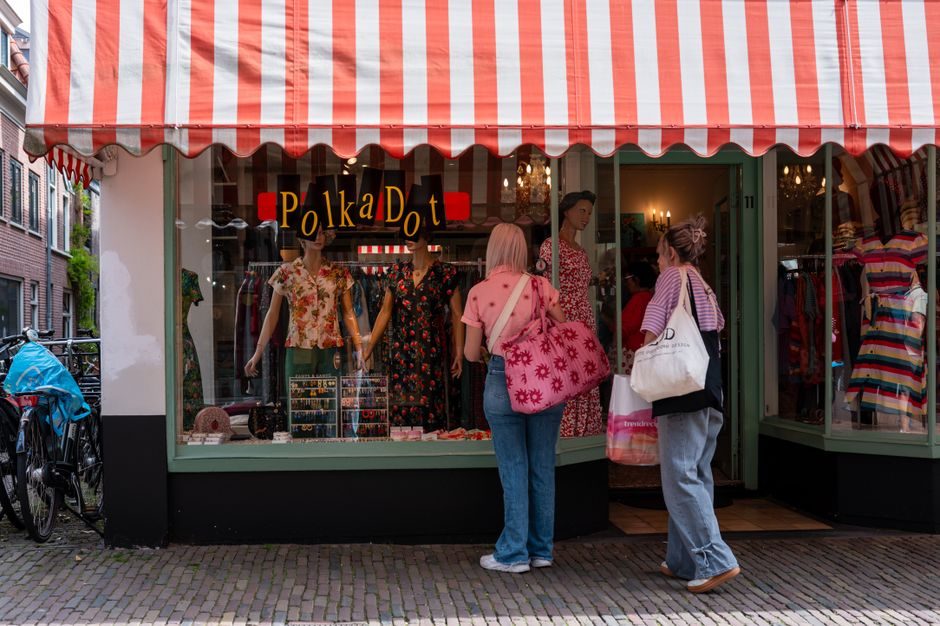
Smart ownership and rotation
Adopt a rotation system to maximize outfit options without buying more. Pair used pieces with new basics to create fresh looks. This mindset keeps sustainability practical and affordable.
- ☐ Choose items you will wear weekly over trend pieces.
- ☐ Prefer timeless silhouettes over fast-fashion detours.
- ☐ Donate or sell pieces you no longer love or fit.
Track what you actually wear to avoid buying duplicates of items you already own. A three-item rule—one in, one out, one to rest—helps maintain balance. Regularly reviewing your wardrobe reduces waste.
Embrace repairs and alterations as a standard step in shopping: a loose seam can be fixed, a new zipper can save a jacket, and tailoring can revive an old piece.
- Rotate outfits weekly
- Be mindful of closet inventory
- Plan alterations when possible
- Support local repair skills
Where to learn more about vintage fashion
Foundations of vintage knowledge
Start with a basic glossary of eras, fabrics, and silhouettes to orient your eye. Knowing how a 60s A-line differs from a 70s boho dress helps you spot authenticity quickly. This foundation speeds up decisions when you shop used.
- Know your decades and their key silhouettes.
- Recognize common fabrics and how they wear with time.
- Keep notes on what you learn for future buys.
Study how fabrics age and how construction changes over decades. A well-stitched seam reveals care and era, while telltale signs like shoulder pads or hemlines hint at the period. This knowledge protects you from fakes.
Build a simple reference board: photos of authentic pieces, common flaws, and repair ideas. Having quick comparisons at hand makes on-the-spot judgments more reliable.
- Create a vintage glossary
- Learn fabric aging signs
- Compile a quick reference board
Street markets and pop-ups worth watching
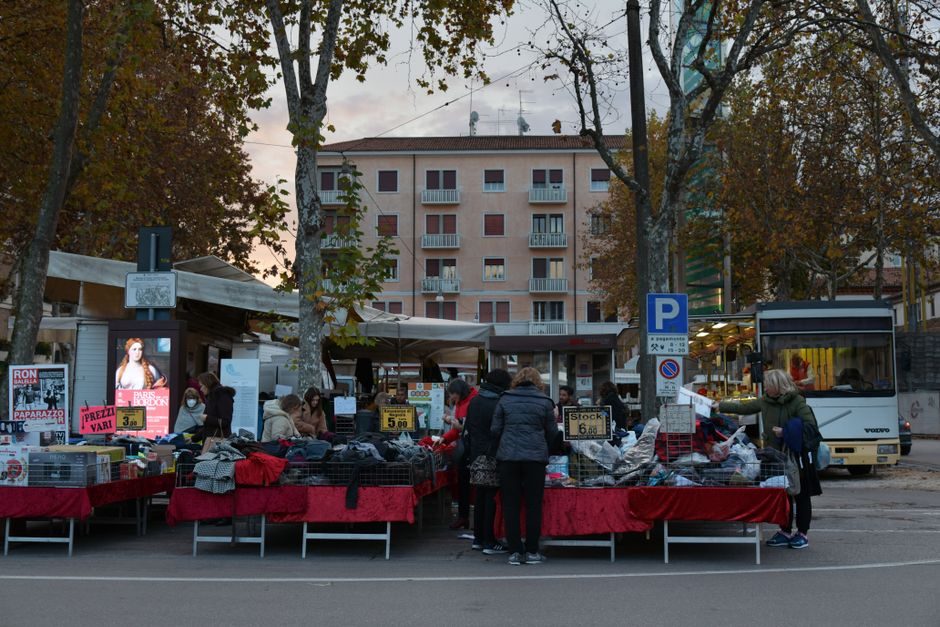
Finding the right venue
Look for market calendars in city guides or community boards to catch new stalls before they become crowded. Arrive early for the best selection and to chat with sellers who can share item histories. This direct access often yields reliable, well-cared-for pieces.
- Scope the venue layout in advance.
- Bring measuring tape for fit checks.
- Trade contact info for follow-up finds.
Prepare a quick shopping list: a few versatile items, a sense of price range, and a maximum spend. This keeps you focused among dense racks and rotating stock. A clear plan prevents impulse buys.
Build rapport with sellers; asking about care, repairs, and previous owners can reveal durability and context. Honest conversations often uncover items with character and long potential.
- Arrive early for best picks
- Have a small budget and list
- Ask about item history and care
Frequently asked questions
Are used items in fashion always a good deal?Not always. The best finds balance condition, style relevance, and quality. A well-priced used item should feel like it will last several seasons with minimal repairs, not just be cheap.
How can I avoid buying damaged items?Inspect seams, zippers, and fabric stretches. Check for stains, odor, and whether alterations suit your planned wear. If in doubt, pass and look for a better-conditioned option.
What’s the simplest way to start shopping used fashion?Visit a local market or thrift-focused shop with a clear goal. Compare several options in one sitting, note prices, and walk away with one reliable piece to build confidence over time.
How do I care for vintage fabrics?Research fabric-specific care and avoid harsh treatments. When uncertain, opt for professional cleaning or gentle at-home methods guided by care labels.
Closing thoughts and next steps
A used wardrobe should feel like a curated collection rather than a pile of leftovers. Start with reliable basics, then build stories around a few standout pieces. Regular upkeep turns used finds into lasting style.
The next step is to visit a market or pop-up with a clear plan: measure, inspect, and compare. Track what you wear, learn from each visit, and adjust your list for future hunts.
Add Bed Design Ideas & Styles as a preferred source on Google


