
How to buy and sell in the USA: a practical guide for fashion buyers
A practical guide for fashion readers on buying and selling in the USA, with clear steps, pitfalls, and tips tailored to style-focused shoppers and sellers.

If you want to buy and sell in the USA, approach it like a wardrobe: know your items, your market, and the rules that shape how money moves. This guide translates trading basics into practical moves for fashion readers who want smarter purchases and better resale outcomes.
From first research to final sale, you’ll learn concrete steps to verify authenticity, choose reliable channels, and price with confidence. The aim is clear: you should feel informed enough to start small, test outcomes, and grow with intention.
We’ll balance simple trade steps with quick checks for safety, legality, and fairness, so your fashion finds stay stylish and your sales meet real buyers’ expectations.
- Know where to buy and sell in the USA, and how to pick the right channel for your fashion items.
- Evaluate condition and price with transparency to keep buyers confident and reduce disputes.
- Use local markets, online sites, and clear policies to close sales smoothly.
- Watch for common mistakes like hidden costs, overpromising, or shipping delays, and fix them fast.
Basics of buying and selling in the USA
Key market channels
Start with what you know: retailers, consignment shops, and reputable online marketplaces. Each channel has different costs, audience reach, and return policies, so match your choice to the item type and your timeline. L1: buy and sell in the USA is a straightforward phrase that anchors the guide to practical US trading.
- Identify the item’s best selling channel
- Check platform fees and protections
- List with accurate photos and measurements
- Ship securely and confirm receipt
Know the basics of listing requirements, seller fees, and payment methods. A well-lit photo, clear measurements, and honest descriptions reduce returns and disputes. If you’re selling, track your costs to avoid underpricing or overpricing items.
Use simple checks for authenticity and condition, especially on items with steep resale potential. When in doubt, ask for additional photos or proof of provenance before agreeing to a sale.
- Choose platform with clear buyer protection
- Use consistent item naming and sizing
- Photograph items from multiple angles
- Maintain a transparent return policy
- Record all transaction details
Legal basics for traders
Understand basic consumer protections and tax obligations in the US; you don’t need every detail, but you should know your general responsibilities. This helps you avoid fines and delays that cut into profits.
Keep receipts and communication organized; it makes returns or disputes easier to resolve. Clear records help you track what worked and what didn’t for future buys and sales.
Know what information must stay public in listings and what can remain private to protect your privacy and safety. Always follow platform rules to avoid suspensions or penalties.
- Respect platform seller policies
- Maintain accurate tax records
- Document every transaction
- Respect buyer privacy
How to evaluate items for resale
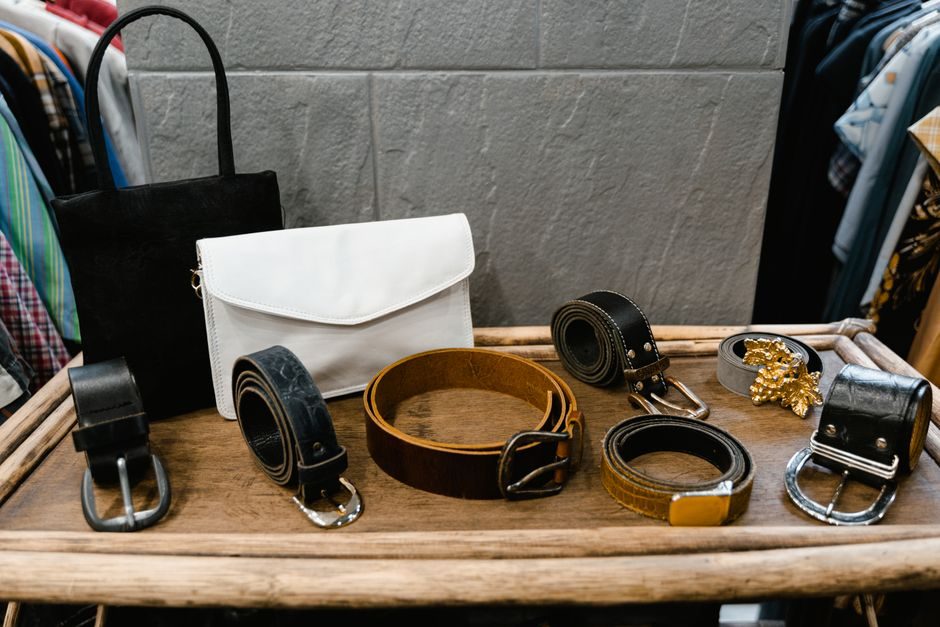
Assess condition and value
Condition determines price: don’t overvalue minor flaws, but don’t undervalue desirable patina either. Compare similar items on trusted resale sites to gauge a fair range. A useful resource on this topic: Anime Manga Daily latest news.
- Overstating condition to meet demand
- Neglecting to verify authenticity
- Ignoring market trends and demand
Document flaws with close-ups; mention repairs or alterations honestly. That transparency keeps buyers confident and reduces disputes at checkout.
Test-fit or measure key dimensions; a missed measurement is a quick return trigger. When possible, confirm authenticity with trusted sources before listing.
- Check for authenticity marks
- Measure dimensions precisely
- Note any repairs or replacements
- Compare against similar listings
- Photograph flaws clearly
Pricing and timing
Set a price that reflects demand, condition, and rarity. Use a gentle start price to test buyer interest and adjust as needed rather than slashing quickly.
Consider timing: seasonal items sell better when promotions or backgrounds reflect current fashion cycles. Don’t rush to sell if you don’t need to; patience can improve margins.
Monitor listings and update when trends shift or new similar items appear. Quick relists or small price tweaks can revive dormant listings.
- Start with a test price
- Adjust based on demand
- Seasonal timing matters
- Refresh listings when needed
- Avoid price wars with frequent undercuts
Ways to trade locally and online
Local markets and pop-ups
Selling in person at pop-ups or flea markets lets buyers see and feel items before buying. This can reduce returns and increase trust when the fit is right and quality is clear. L3: publish local events in the USA serves as a contextual cue for local engagement within the guide.
Bring a simple setup: clean racks, good lighting, and a short price tag with clear sizing. Your presence and explanations can turn casual browsers into buyers.
Have a straightforward checkout method and a return policy that you can honor on-site. Handing buyers a receipt builds credibility for future sales.
- Choose high-traffic times
- Prepare a quick price list
- Offer instant discounts for bundles
- Use a secure payment method
- Collect contact details for follow-up
| Option | Pros | Cons |
|---|---|---|
| Local pop-ups | Face-to-face trust, fast sales | Limited audience, weather can affect turnout |
| Online marketplaces | Wide reach, scalable | Fees and competition are high |
| Direct sales via social | Personal branding | Building trust takes time |
Online marketplaces and resale sites
Online platforms widen your audience beyond local foot traffic. They require clear photos, fast responses, and consistent branding to stand out.
Create cohesive listings with size, material, care instructions, and authentic photos. Quick messaging and accurate shipping estimates improve buyer satisfaction.
Balance speed with care: respond promptly but keep a record of all exchanges. This reduces misunderstandings and protects both sides.
- Maintain responsive communication
- Use consistent branding
- Accurate shipping estimates
- Clear return terms
- Track shipping and delivery
Use secure payment methods and document all steps from offer to receipt.
Common pitfalls and how to avoid them

Fraud risks and safety
Be wary of offers that seem too good to be true. Trust your verified channels and avoid sharing sensitive financial data. Fraud can appear as fake buyers or pressure to ship before payment clears. L4: local business directory in the USA appears as a navigational hint for readers exploring commerce-related resources.
Use secure payment methods and document all steps from offer to receipt. When something feels off, pause the transaction and seek platform support rather than proceed.
Protect your address and personal information by using platform messaging and approved shipping addresses. This reduces risk to your home and items.
- Use platform protections
- Verify buyer identity where possible
- Avoid sharing sensitive info
- Keep records of all exchanges
Listing mishaps and mispricing
Poor photography and vague descriptions invite returns. Invest in clear images and measurements to set realistic expectations.
Underestimating fees or shipping costs eats into profit. Include these details in your listing price or note them in your terms.
Seasonality and fashion shifts can make items linger online; plan promotions or bundles to refresh interest.
- Photo quality matters
- Be transparent about costs
- Plan promotions for slow sellers
- Match pricing to market signals
Pricing strategies and timing
Pricing psychology in markets
Set prices with a clear anchor in mind, then adjust for demand signals like seasonality or item condition. Start with a realistic base and test small changes to see how buyers respond. Use comparable items as a reference to avoid overpricing or underselling. death notices in the USA
Consider bundling items for larger sales and offer limited-time discounts to create urgency. Track which price points move the most and refine your strategy over time. A steady rhythm of pricing updates helps keep listings competitive while preserving value.
Avoid guessing at prices; rely on data from recent sales, drafts of cost, and your own experience with similar pieces. If a listing sits unsold, adjust by a modest margin rather than slashing price drastically. The aim is predictable turnover, not quick desperation.
- Test two price points for a week and compare
- Adjust for item condition and market demand
- Use bundles for multiple-item listings
- Review last sold prices for similar items
Authenticity checks and risk
Genuine indicators to verify
Learn the telltales of authenticity for common fashion categories, and compare details against trusted references. Look at stitching, hardware, logos, and fabric under good light. Small inconsistencies can signal a counterfeit, so verify before committing to a sale or listing.
Ask for clear photos of tags, serial numbers, and unique markings, and request close-ups of any questionable areas. If a seller balks at providing documentation, pause and reassess the risk. Trust your gut when a listing seems too good to be true.
Document your own checks in a simple checklist you can reuse for every listing. This habit reduces mistakes and builds confidence with buyers. If you’re unsure after initial checks, seek a second opinion from a seasoned seller or a reputable authentication service.
- Check logos and typography carefully
- Inspect stitching and hardware
- Request serials or authentication docs
- Compare with verified examples
Shipping and returns playbook
Packaging for protected delivery
Choose sturdy boxes and protective padding to minimize damage during transit. Tailor packaging to the item’s shape to reduce movement. Clear, respectful packaging reflects care and can justify higher perceived value.
- Choose a sturdy box and padding.
- Label clearly with handling notes and contact details.
Include a concise, readable return policy in the listing and in the package's paperwork. A generous policy can attract more buyers, but set clear limits to protect margins. Document any condition notes in writing to avoid misunderstandings.
Track shipments and confirm delivery with buyers; prompt communication after a sale reduces disputes. Use reliable carriers and keep receipts as reference for future cases. A calm, organized shipping routine saves time and preserves seller credibility.
- Use padded mailers for soft goods
- Reinforce fragile items with proper filler
- Include care instructions and labels
- Keep order numbers visible on the package
Growing your resale vernacular

Voice and listing language
Craft listings with precise, descriptive language that communicates material, fit, and care. Avoid vague adjectives and instead use measurements, fabrics, and wear patterns. Clear language reduces back-and-forth questions and speeds up sales.
Develop a consistent tone across listings so buyers recognize your shop as reliable and stylish. A refined voice helps differentiate you in a crowded market. Include a short, honest description of any flaws to maintain trust.
Educate buyers with short styling tips or outfit ideas that accompany the item. This adds value beyond the item itself and encourages higher engagement.
- Describe material and care clearly
- Provide accurate measurements
- State any flaws honestly
- Offer styling suggestions
Frequently asked questions
How can I verify authenticity when sourcing items for resale?Start with close-up photos of labels, logos, stitching, and hardware, and compare against trusted references. Request documentation from the seller and ask for multiple angles. If anything feels uncertain, pass on the item and seek a more reliable source.
What makes a listing more trusted by buyers?Clear photos, accurate measurements, honest condition notes, and a consistent tone. A transparent return policy and prompt, courteous communication also build confidence. Buyers respond to predictability and clarity more than flashy language.
How do I handle a delayed shipment from a carrier?Notify the buyer as soon as you know there is a delay, provide an updated timeline, and offer alternatives if possible. Keep the tracking information current and document the issue to inform future listings.
Is local selling better than online for beginners?Local selling gives quick feedback and instant payments, which helps you learn pricing and negotiation in real time. Online platforms offer broader reach but require more listing optimization and logistics planning.
Conclusion
The routines you build around pricing, authenticity, and shipping define your resale rate. By staying precise, honest, and reliable, you create a shop that buyers trust and return to.
Your next step is practical: pick one listing, apply a modest price test, and tighten the packing and description. Track the results, then repeat with another item. This steady cadence compounds into real profit over time.
Add Bed Design Ideas & Styles as a preferred source on Google


