
Best digital marketing news: a fashion reader’s concise guide
A practical, fashion-focused checklist for understanding digital marketing news, with clear steps, practical tips, and safe cautions for stylish brands.

Whether you run a fashion site or a stylish brand, you need a steady read on digital marketing news to stay relevant. This guide cuts through noise and shows what matters for dress-focused businesses, from audience signals to platform shifts. You’ll learn how to evaluate updates quickly and apply them in your next collection drop or social push.
Start with a simple habit: identify what changes affect how you reach shoppers, then test on a small scale before committing. You’ll build a baseline sense of value from each news item rather than chasing every trend. The goal is steady improvement, not hype.
By treating digital marketing news as a practical toolkit, you’ll avoid wasted effort and keep marketing aligned with style goals. This approach helps you pick the right channels, craft smarter campaigns, and measure results with clear, fashion-relevant metrics.
- Focus on updates that affect shopper reach and conversion.
- Turn each news item into a small, testable plan.
- Limit tools to a few core platforms aligned with your channels.
- Avoid overhauling branding without evidence of impact.
Foundation basics for fashion brands
Why news matters for fashion
News about marketing tools, algorithms, and consumer behavior shapes how fashion brands reach customers. Understanding this landscape helps you decide where to invest design and storytelling time. Start by noting one change you can test this week, such as a new ad format or a revised product description.
- Track one platform update each week
- Measure impact with a simple metric
- Keep a note of what works for your audience
Choosing what to follow
Not every update matters to fashion brands. Focus on changes that affect how you attract, convert, or delight buyers. For example, a new audience targeting option or a shopping feature can alter your product pages' visibility.
How to translate updates into styles
Turn news into a plan
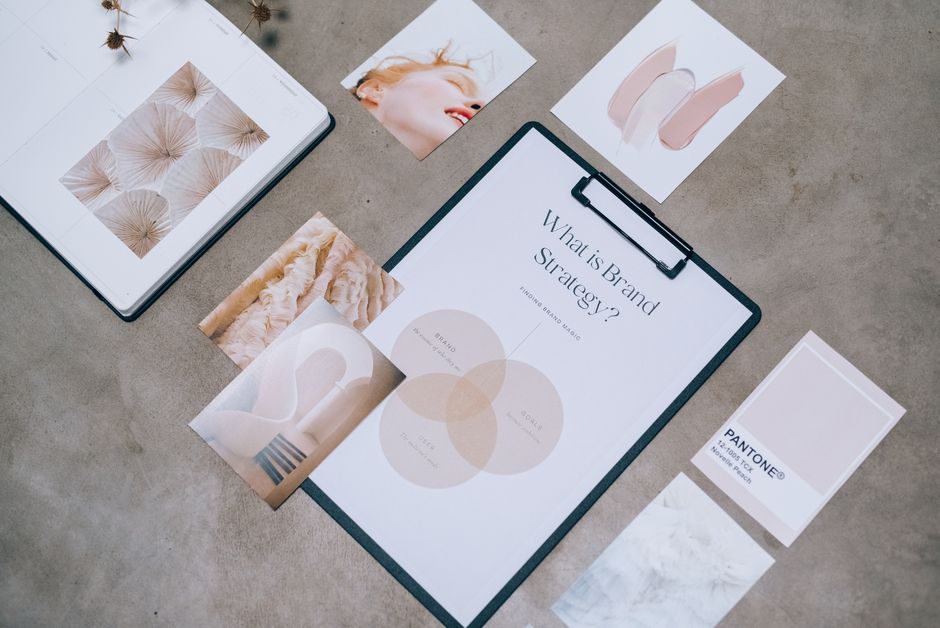
Take one item from the news and map it to your business process, such as product storytelling or checkout flow. Draft a short experiment with a clear success metric. If it fails, pivot quickly and learn. Add an event to the USA events calendar
- Define a test goal
- Set a minimal, measurable KPI
- Review results after a sprint
- Adapt campaigns based on data
Common fashion uses
People respond to visual storytelling, so translate news into visuals, captions, and product pages. If a platform favors video, plan a short, stylish clip that demonstrates fabric, fit, or movement. Always tie the content to a shopper’s dream or problem.
- Leverage trend themes with on-brand color
- Highlight fabric details in carousels
- Test short-form video for product launches
- Coordinate messaging with seasonal lines
Options for implementation
In-house vs. outsource
Weigh the cost and speed of internal teams against external partners. An in-house approach gives you more control and speed for quick tests, while agencies can offer broader expertise for bigger campaigns. Choose based on your current bandwidth and goals. Add your business to the USA business directory
- In-house for rapid tests
- Agency for scalable campaigns
- Hybrid for balance
| Option | Pros | Cons |
|---|---|---|
| In-house | Greater control, fast iterations | Requires time to train staff |
| Agency | Broad expertise, scalable | Higher ongoing cost |
| Hybrid | Balanced control and reach | Needs clear coordination |
Tools that fit a fashion window
Select tools that simplify your workflow without overwhelming your team. Prioritize analytics dashboards, scheduling, and creative collaboration features. Avoid tool overload by limiting to three core platforms that align with your primary channels.
- Analytics that match your goals
- Scheduling that keeps content synced
- Collaboration for design and copy
Pitfalls to avoid

What trips fashion teams up
Overreacting to every trend wastes resources and distracts from brand identity. Stay true to your aesthetic while testing selective updates that align with your core audience’s needs. If a change feels off-brand, pass on it. Advertise a job vacancy in the USA
- Don’t chase every feature
- Skip vanity metrics
- Avoid constant restyling without purpose
Telling one story too often
Recycling the same message across channels dulls perception. Balance cross-channel consistency with fresh formats and new angles from digital marketing news. Refresh creative assets and copy to reflect different shopper moments.
- Rotate formats (image, video, text)
- Vary hooks while keeping core message
- Align with product launches
Look for shifts in how fashion brands present value—ease of purchase, sustainability storytelling, and personalization.
Emerging trends to watch
Identifying rising signals
Start with small, consistent signals across fashion platforms to spot what sticks. Track changes in consumer color preferences, fabric choices, and platform formats that gain quick adoption. Use these early signals to draft a few pilot concepts that test resonance without overcommitting resources. obituaries in the USA
- ☐ Identify 2-3 trends that align with your collection themes
- ☐ Document expected audience reactions
- ☐ Limit initial tests to one product category or channel
- ☐ Review results after a defined window
Look for shifts in how fashion brands present value—ease of purchase, sustainability storytelling, and personalization. Note which formats attract attention: short videos, shoppable posts, or interactive lookbooks. Build a simple dashboard to compare engagement from each trend over time.
Be ready to adapt: convert signals into concrete experiments with strict timelines and clear success metrics. If a trend shows momentum, scale cautiously with limited budget and visible learning goals. Avoid chasing every fad; prioritize what complements your brand voice.
- Track color and fabric popularity
- Monitor platform format winners
- Pilot small concepts before full rollout
- Align with your brand voice
- Set clear success metrics
Practical planning for campaigns
Turning updates into action
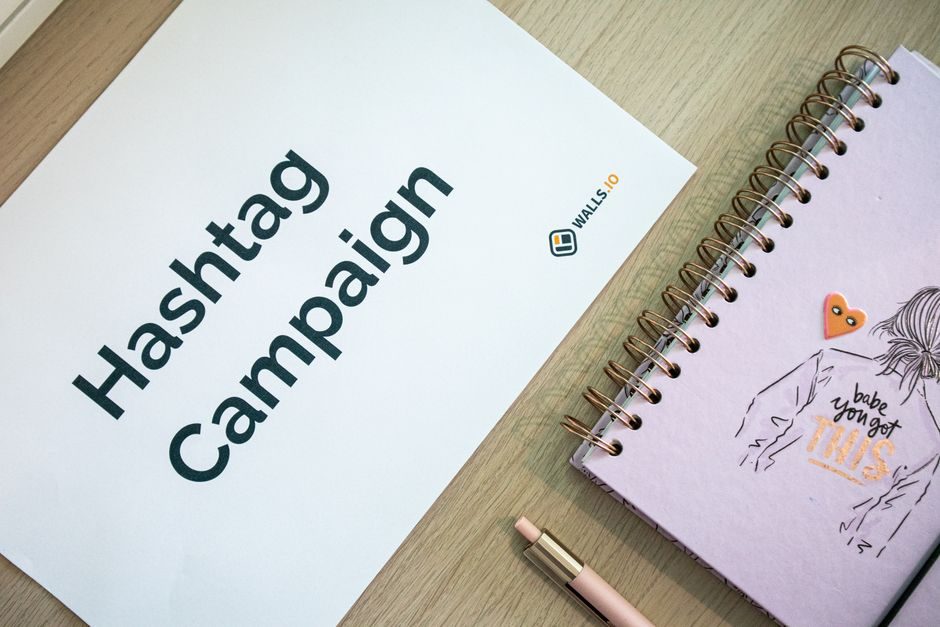
Begin with a clear campaign objective tied to your product story. Translate a news update into a focused message that supports a single product or collection. Keep the scope tight to avoid diluting impact across channels.
- State objective clearly
- Choose one winning channel
- Allocate 2 weeks for initial test
- Assess results and adjust
Map channels to customer journeys: social posts for awareness, email for retention, and site prompts for conversion. Create a simple calendar that allocates content formats to dates and handles staffing needs. This keeps the plan practical and executable.
Set up quick review checkpoints: weekly checks on results, content quality, and creative fatigue. Use a small decision tree to decide whether to pause or pivot a tactic. The goal is repeatable, not perfect, execution.
- Define a single objective per campaign
- Align formats to customer journeys
- Create a compact planning calendar
- Establish quick review checkpoints
- Prefer repeatable processes over perfection
Measuring impact without clutter
Simple metrics that matter
Choose a handful of meaningful metrics that reflect business goals: engagement, clicks to product pages, and conversion rates. Don’t mix vanity metrics with real impact. This keeps reporting honest and useful for decisions.
- Highlight top performing asset
- Note conversion lift
- Identify next optimization
Use cohort analysis to see how different groups respond to updates, such as new product launches or seasonal edits. Compare behavior before, during, and after campaigns to identify genuine lift. Focus on behavior changes that translate to sales.
Create a lightweight reporting rhythm: a one-page summary that highlights what worked, what didn’t, and why. Share learnings with the team to inform future creative and channel choices. Avoid information overload by sticking to trends that drive strategy.
- Track engaged users vs. conversions
- Analyze cohorts for better insights
- Maintain a one-page performance brief
- Bridge data to decision-making
- Avoid overloading reports with stray numbers
Ethical marketing for fashion

Responsible messaging and inclusion
Craft messages that respect diverse audiences and avoid stereotypes. Inclusive visuals and accessible copy broaden appeal while protecting brand integrity. This approach also guards against backlashes that interrupt campaigns.
Be transparent about promotions and sustainability claims. Provide clear information on materials and supply chain practices relevant to your audience. Honest communication builds trust and reduces the risk of misinterpretation.
Plan reviews with diverse voices to catch blind spots before launch. Involve teams from design, marketing, and customer service to test tone and implications across channels. The aim is responsible storytelling that supports long-term loyalty.
- Avoid stereotypes
- Provide clear sustainability details
- Involve cross-functional review
- Prioritize accessibility and clarity
- Build long-term trust
Frequently asked questions
What makes a digital marketing update relevant to fashion brands?Focus on impact on product discovery, conversion, and repeat engagement. Relevance rises when updates translate into tangible styling ideas or shopping behavior.
How should a fashion brand choose a digital marketing update to pursue?Start with one clear question you want answered, then test a small, measurable change. If results show lift, scale gradually with guardrails.
Can ethical concerns limit marketing creativity?Creativity should still flourish within respectful boundaries. The goal is messaging that resonates without misrepresenting products or audiences.
What should be avoided when translating news into campaigns?Don’t overpromise, avoid sensational language, and stay consistent with your brand voice. Ground decisions in simple data and customer feedback.
Conclusion: next steps for fashion brands
Take the lessons and turn them into action. Start with two updates to test in the next month, with clear success metrics and a minimal budget. Document results to inform future rounds and avoid repeating mistakes.
Establish a rotating calendar that balances trend exploration, campaign planning, and ethical checks. This keeps you agile while maintaining discipline, producing smoother workflows and steady momentum across seasons.
Add Bed Design Ideas & Styles as a preferred source on Google


