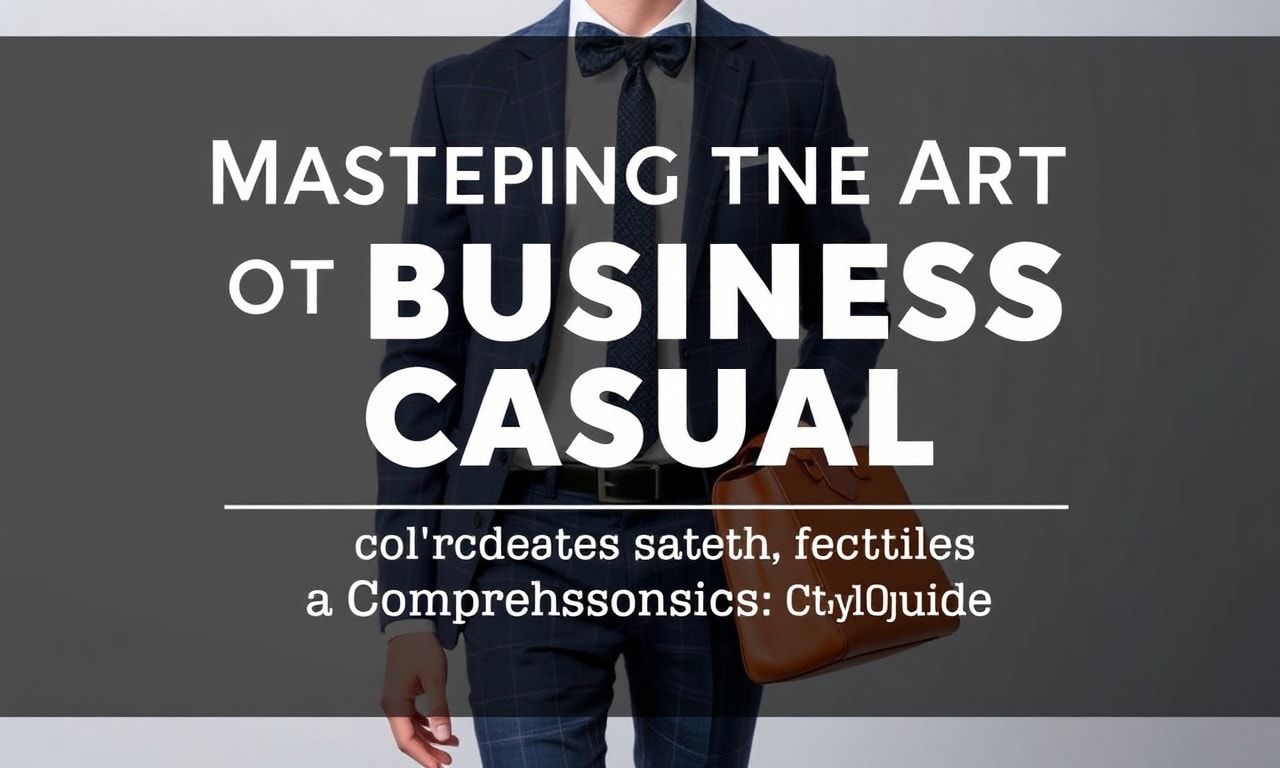
The Evolution of Business Casual
Business casual has come a long way from its inception in the early 1990s. What started as a rebellion against the stiff formality of traditional business attire has evolved into a nuanced dress code that balances professionalism with personal style. Today, business casual is a staple in many workplaces, offering a comfortable middle ground between the rigidity of a suit and the casualness of everyday wear.
Understanding Business Casual
Before diving into the specifics, it’s essential to understand what business casual entails. It’s a dress code that combines the polished look of business attire with the comfort and flexibility of casual wear. The key is to strike a balance that is appropriate for your workplace while still allowing for personal expression.
Key Elements of Business Casual
Business casual can vary depending on the industry and company culture, but there are some general guidelines to follow:
- Tops: Button-down shirts, blouses, and polo shirts are typically acceptable. Avoid graphic tees or anything too casual.
- Bottoms: Dress pants, chinos, and skirts are standard. Jeans can be acceptable in some workplaces, but opt for dark, well-fitted pairs.
- Footwear: Loafers, ballet flats, and low-heeled shoes are ideal. Avoid sneakers unless they are sleek and minimal.
- Accessories: Subtle and elegant accessories can elevate your look. For instance, a delicate necklace or a classic watch can add a touch of sophistication.
Building Your Business Casual Wardrobe
Creating a versatile business casual wardrobe doesn’t have to be expensive or complicated. Start with a few key pieces that can be mixed and matched to create various outfits. Invest in high-quality basics that will stand the test of time and trends.
Essential Pieces for Men
For men, the foundation of a business casual wardrobe includes:
- Button-down shirts in neutral colors like white, blue, and gray
- Dress pants in navy, black, and khaki
- Polo shirts for a more relaxed look
- Loafers or dress shoes
- A tailored blazer for more formal occasions
Essential Pieces for Women
Women’s business casual wardrobe should include:
- Blouses and silk tops in a variety of colors
- Dress pants and skirts in neutral tones
- Cardigans and blazers for layering
- Ballet flats, loafers, or low-heeled shoes
- A selection of best jewelry for business casual attire to add a touch of elegance
Accessories: The Finishing Touch
Accessories can make or break a business casual outfit. They add personality and polish to your look, but it’s crucial not to overdo it. Keep accessories minimal and elegant. For men, a classic watch or a simple tie can make a significant impact. Women can opt for delicate jewelry, such as stud earrings, a simple necklace, or a classic bracelet.
Choosing the Right Accessories
When selecting accessories, consider the following tips:
- Less is more: Stick to one or two statement pieces per outfit.
- Match your accessories: Ensure your belt, shoes, and other accessories complement each other.
- Keep it professional: Avoid overly flashy or trendy pieces that might not be appropriate for the workplace.
Common Business Casual Mistakes to Avoid
Even with the best intentions, it’s easy to make mistakes when dressing business casual. Here are some common pitfalls to avoid:
Overly Casual Attire
One of the biggest mistakes is dressing too casually. Avoid wearing jeans that are too distressed, graphic tees, or overly casual footwear like sneakers. Remember, the goal is to look polished and professional.
Inappropriate Fit
Clothing that is too tight or too loose can look unprofessional. Ensure your clothes fit well and are tailored to your body. Ill-fitting clothes can detract from your overall appearance and make you look less put-together.
Ignoring Grooming
Grooming is just as important as your clothing choices. Make sure your hair is neat and well-styled, and pay attention to personal hygiene. Small details like clean nails and a well-groomed beard (if applicable) can make a big difference.
Adapting Business Casual for Different Industries
Business casual can vary significantly depending on the industry. What’s acceptable in a creative field might not be appropriate in a more traditional setting. Understanding your industry’s norms and expectations is crucial.
Creative Industries
In creative fields like advertising, design, and media, business casual tends to be more relaxed. You can experiment with colors, patterns, and styles while still maintaining a professional appearance. However, avoid anything too flashy or distracting.
Corporate Environments
In corporate environments, business casual is typically more conservative. Stick to classic, timeless pieces in neutral colors. Avoid anything too trendy or casual. The key is to look polished and professional at all times.
Tech and Startups
Tech and startup cultures often embrace a more casual dress code. While business casual is still important, the emphasis is on comfort and practicality. Opt for comfortable yet stylish pieces that allow you to move freely and feel at ease.
Conclusion
Mastering the art of business casual is about finding the right balance between professionalism and personal style. By understanding the key elements, building a versatile wardrobe, and avoiding common mistakes, you can create a look that is both polished and comfortable. Remember, the goal is to look and feel your best while adhering to your workplace’s dress code. With the right approach, business casual can be a powerful tool for expressing your personal style and making a great impression.
Looking to make a lasting impression with your gift choices? Discover unique birthday gift ideas that blend style and sentiment, perfect for the fashion-forward individuals in your life.
Discover the secrets to a chic and satisfying life with our latest guide on enhancing your everyday style.
Ready to infuse your outdoor space with global charm? Discover how to create a travel-inspired backyard retreat that’s as stylish as your wardrobe.