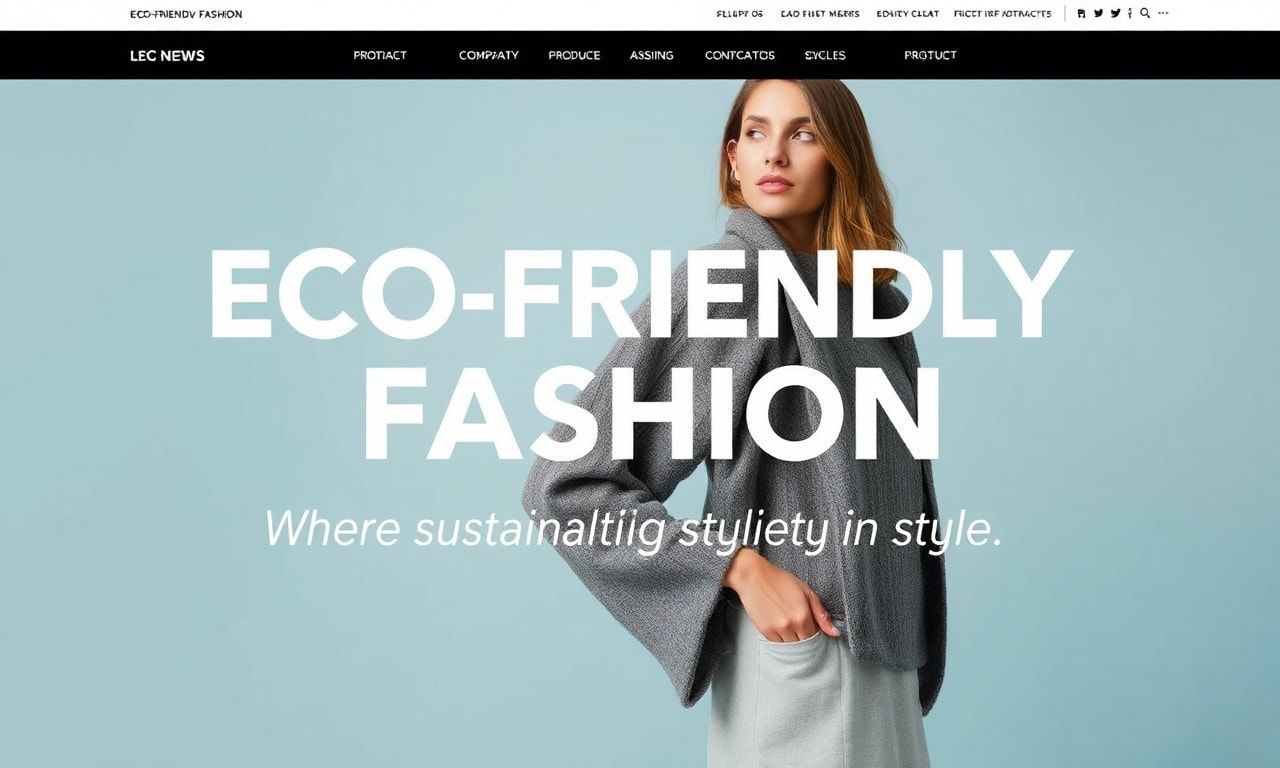
The Rise of Sustainable Fashion
The fashion industry is undergoing a significant transformation, with sustainability taking center stage. As consumers become more environmentally conscious, the demand for eco-friendly fashion has surged. This shift is not just a trend but a movement towards a more responsible and ethical approach to style. Brands are now focusing on reducing their carbon footprint, using sustainable materials, and promoting ethical practices. This article explores the various aspects of eco-friendly fashion and how you can incorporate it into your wardrobe.
Understanding Sustainable Materials
One of the cornerstones of eco-friendly fashion is the use of sustainable materials. These materials are sourced and produced in ways that minimize environmental impact. Organic cotton, for instance, is grown without harmful pesticides and uses less water than conventional cotton. Similarly, bamboo is a fast-growing, renewable resource that requires minimal pesticides and fertilizers. Recycled fabrics, made from post-consumer waste, are another excellent choice. By opting for clothing made from these materials, you contribute to a healthier planet.
In addition to natural fibers, innovative materials like Piñatex, made from pineapple leaves, and mushroom leather are gaining popularity. These materials offer a cruelty-free alternative to traditional leather. Brands are also exploring the use of recycled polyester, which reduces the need for new petroleum-based fibers. The fashion industry is continually evolving, with new sustainable materials being developed to meet the growing demand for eco-friendly options.
The Role of Ethical Practices
Sustainability in fashion is not just about the materials used but also about the practices employed throughout the supply chain. Ethical practices ensure fair wages, safe working conditions, and respect for workers’ rights. Many brands are now transparent about their supply chains, providing detailed information about where and how their products are made. By supporting these brands, you contribute to a more equitable and just fashion industry.
Fair trade certification is one way to ensure that the products you buy are made ethically. This certification guarantees that workers receive fair wages and work in safe conditions. Additionally, some brands are committed to reducing waste by implementing zero-waste patterns and upcycling materials. These practices not only minimize environmental impact but also create unique, one-of-a-kind pieces.
Incorporating Eco-Friendly Fashion into Your Wardrobe
Transitioning to an eco-friendly wardrobe doesn’t have to be overwhelming. Start by assessing your current wardrobe and identifying pieces that are versatile and can be styled in multiple ways. Invest in high-quality, timeless pieces that will last for years. Quality over quantity is key to sustainable fashion. Consider the environmental impact of your purchases and opt for brands that align with your values.
Thrifting and second-hand shopping are excellent ways to reduce waste and find unique pieces. Many online platforms and local thrift stores offer a wide range of gently used clothing. Additionally, clothing swaps with friends or community events can be a fun and sustainable way to refresh your wardrobe. By choosing second-hand, you extend the life cycle of clothing and reduce the demand for new production.
Caring for Your Clothes
Proper care and maintenance of your clothing can significantly extend its lifespan. Follow the care instructions on the labels to ensure your clothes stay in good condition. Washing clothes in cold water and air-drying them can reduce energy consumption. Additionally, consider using eco-friendly detergents and avoiding dry cleaning, which often uses harmful chemicals.
Repairing and altering clothes is another way to prolong their life. Learning basic sewing skills can help you fix minor issues like loose buttons or small tears. Many brands offer repair services or provide guides on how to care for their products. By taking care of your clothes, you reduce the need for frequent replacements and contribute to a more sustainable fashion cycle.
The Future of Eco-Friendly Fashion
The future of fashion is undoubtedly sustainable. As technology advances, new innovations are emerging to make the industry more eco-friendly. From biodegradable fabrics to 3D-printed clothing, the possibilities are endless. Brands are also exploring circular fashion models, where products are designed for longevity, reuse, and recycling.
Consumers play a crucial role in driving this change. By making conscious purchasing decisions and supporting sustainable brands, you contribute to a more environmentally friendly fashion industry. Education and awareness are key to fostering a culture of sustainability. Sharing knowledge about eco-friendly fashion with others can inspire more people to make sustainable choices.
In conclusion, eco-friendly fashion is not just a trend but a necessary shift towards a more sustainable future. By understanding the importance of sustainable materials, ethical practices, and proper care, you can make a positive impact on the environment. Embrace the change and be a part of the movement towards a greener, more stylish world. As you consider making your home more sustainable, don’t forget to explore options like solar enerji maliyeti to reduce your carbon footprint even further.
As we embrace a sustainable future, it’s inspiring to see fashion-forward communities like Fethiye leading the way; discover how their solar initiative is shining bright in the renewable energy landscape.
Discover the latest in sustainable style with our guide to ethical fashion choices, where looking good doesn’t cost the Earth.