The Timeless Elegance of Literary Fashion
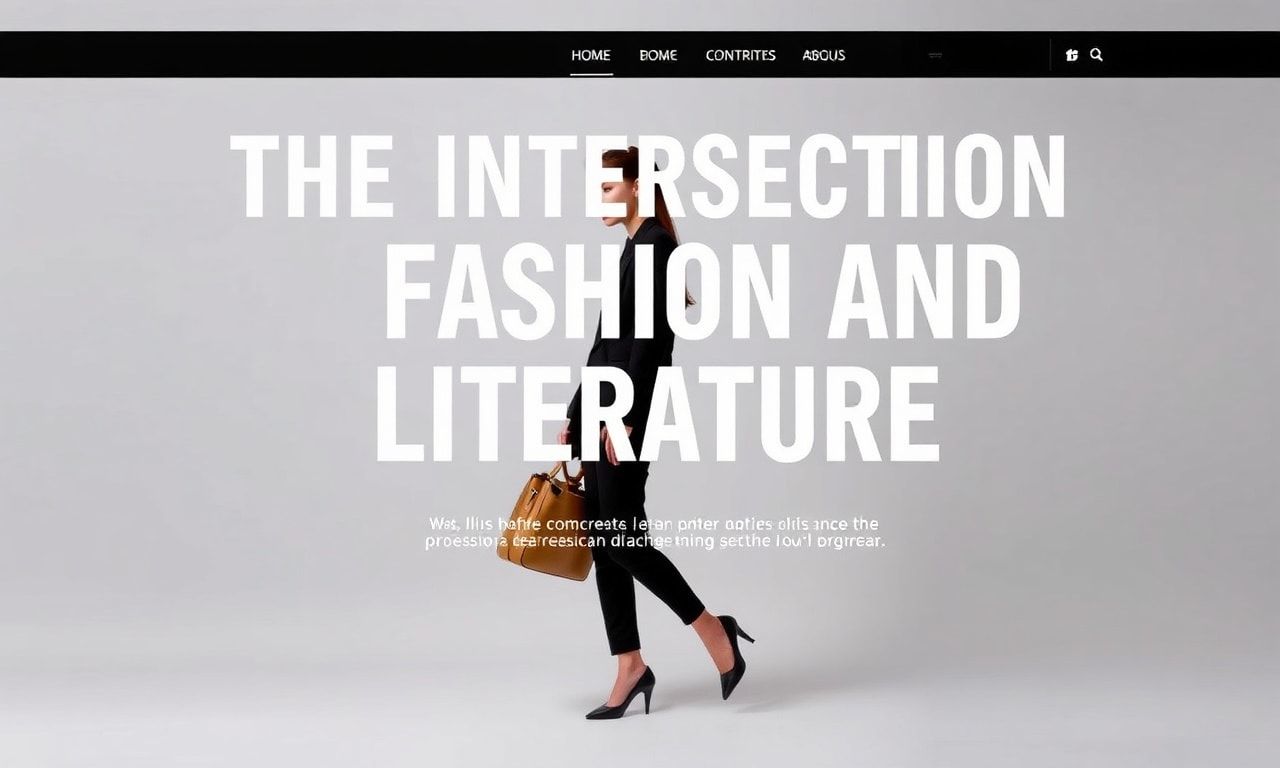
The world of fashion is often seen as a realm of its own, but it has always been deeply intertwined with other forms of art and culture. One such fascinating intersection is the relationship between fashion and literature. Just as literature provides a window into different worlds and eras, fashion from these periods can offer a tangible connection to the past, allowing us to experience the aesthetics and sensibilities of bygone times.
The Influence of Classic Literature on Modern Fashion
Classic literature has had a profound impact on modern fashion. Authors like Jane Austen, F. Scott Fitzgerald, and Edith Wharton not only crafted timeless stories but also described the fashion of their times in vivid detail. The Regency era dresses of Austen’s heroines, the flapper styles of the 1920s depicted in Fitzgerald’s works, and the opulent gowns of Wharton’s high society characters have all inspired contemporary designers. These literary influences can be seen in the collections of designers who draw on the past to create modern masterpieces.
For instance, the recent resurgence of Victorian and Edwardian styles in high fashion can be traced back to the popularity of historical fiction and the detailed descriptions of clothing in these novels. Designers often look to literature for inspiration, using the rich tapestry of characters and settings to inform their designs. This blend of historical accuracy and creative interpretation results in fashion that is both nostalgic and innovative.
Literary Characters as Fashion Icons
Literary characters have become fashion icons in their own right, influencing trends and inspiring collections. From the timeless elegance of Scarlett O’Hara in ‘Gone with the Wind’ to the bohemian chic of Hermione Granger in the ‘Harry Potter’ series, these characters have left an indelible mark on fashion. Their outfits are not just costumes; they are extensions of their personalities and the worlds they inhabit.
Fashion designers often draw inspiration from these characters, creating collections that capture their essence. For example, the recent trend of romantic, flowing dresses can be linked to the influence of characters like Elizabeth Bennet from ‘Pride and Prejudice.’ These designs not only pay homage to the literary works but also bring a sense of nostalgia and timeless beauty to modern wardrobes.
The Role of Fashion in Literary Settings
Fashion plays a crucial role in literary settings, often serving as a reflection of the characters and their environments. In ‘The Great Gatsby,’ the opulent fashion of the Roaring Twenties sets the stage for the extravagant lifestyle of the characters. Similarly, in ‘The Picture of Dorian Gray,’ the decadent fashion of the Victorian era underscores the themes of beauty and corruption.
These literary works provide a rich tapestry of fashion trends that can be explored and reinterpreted. For fashion enthusiasts, reading these books offers a unique perspective on the fashion of different eras. It’s a way to understand the cultural and social contexts that shaped these styles, adding depth to our appreciation of fashion history.
Exploring Fashion Through Literature
For those interested in the intersection of fashion and literature, there are numerous resources available. Websites like Berlin Bibliotheken News often feature articles and reviews on literary works that delve into the world of fashion. These resources can provide valuable insights into the fashion trends of different periods and how they are depicted in literature.
Additionally, many libraries and bookstores offer sections dedicated to fashion and literature, where readers can find books that explore this fascinating connection. From biographies of famous designers to novels that feature fashion as a central theme, these books offer a wealth of knowledge and inspiration for fashion enthusiasts.
The Future of Literary Fashion
The future of literary fashion is bright, with designers continuing to draw inspiration from classic and contemporary literature. As new works of fiction are published, they bring with them new fashion trends and styles that will undoubtedly influence the world of design. The ongoing dialogue between fashion and literature ensures that this intersection will remain a vibrant and dynamic part of both industries.
In conclusion, the relationship between fashion and literature is a rich and complex one. It offers a unique perspective on the history and evolution of fashion, as well as the cultural and social contexts that shape it. By exploring this intersection, we can gain a deeper understanding and appreciation of both fashion and literature, enriching our lives in countless ways.
Discover how to blend style and self-care seamlessly with fashion’s wellness revolution, a guide to looking and feeling your best.
If you enjoyed this article, we recommend checking out Les Tendances Mode de l'Été 2023 for further reading.