
What’s on in the USA: a fashion-forward reader’s guide
A clear, practical guide for fashion lovers: how to check what’s on in the USA, how it affects trends, and where to look for real-time events.

The question readers have is simple: what’s on in the USA that matters for fashion right now? This guide answers with practical steps, clear options, and real-world examples you can act on this week. You’ll learn where to look, how to interpret listings, and what a single event can do for your wardrobe. Expect concrete resources you can actually use without wading through noise.
First, you’ll get a baseline: what kinds of events influence fashion cycles and why the USA’s calendar matters. Then you’ll see how to filter what’s worth your time, whether you’re chasing runways, pop-ups, or seasonal markets. Finally, you’ll have a plan for pairing events with outfits so you stay stylish from street to shoot.
The approach is practical and fashion-forward: practical navigation, quick checks, and a mindset for spotting outfits that translate to your wardrobe. This isn’t about hype; it’s about finding credible, timely opportunities that fit your style. By the end, you’ll know how to build a small, reliable list you can reuse every season.
- Look for core event types that shape fashion decisions.
- Use dependable listings and calendars to filter noise.
- Plan outfits that travel from street to event with minimal fuss.
- Keep a running list of credible sources and upcoming dates.
Basics to know first
What to track first
Start with core event types: fashion weeks, trade shows, pop-ups, and local markets. Each offers different benefits for inspiration, shopping, or networking. Having a basic checklist keeps you from chasing every promo without a purpose. what's on in the USA
popups_keywords?
- Core event types defined
- Seasonal dates vary
- Plan with a simple calendar
- Prioritize for your needs
- Track takedowns and show notes
What to wear to an event
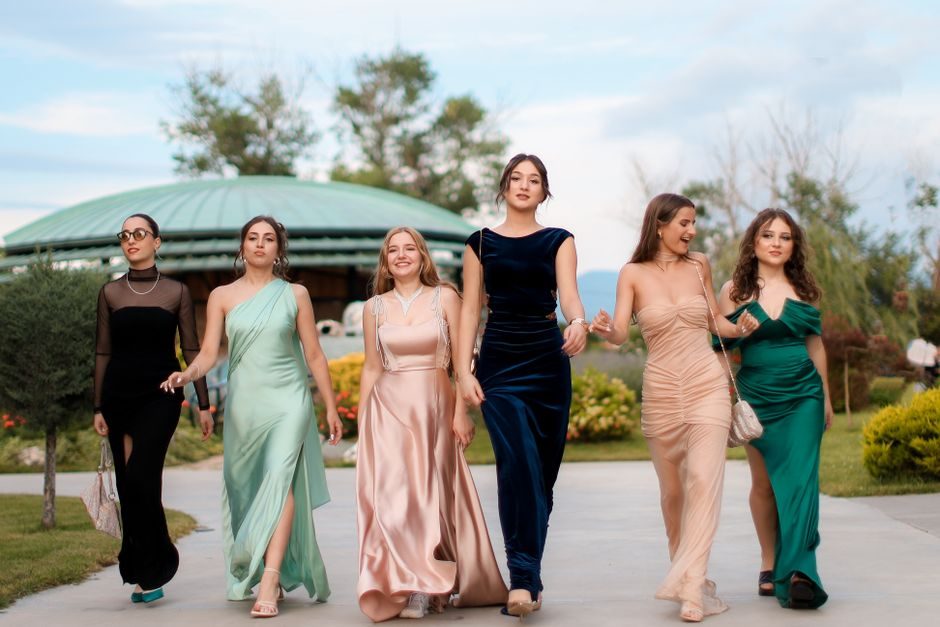
Planning outfits and fits
Think in layers and versatility. Pick items that can be styled up for a show or down for a market stroll. Prepare a small, adaptable capsule around color and fabric. USA news
A second sentence to fill
- Layered looks
- Versatile fabrics
- Color anchors
- Comfort meets style
- Carry essentials
Where to find listings
Reliable listing sources
Focus on established cultural calendars, local press, and curated fashion hubs. These sources filter noise and surface what actually matters for your outfits and shopping. list your business in the USA
Second paragraph scratches]
- Curated calendars
- Local guides
- Social feeds with saves
| Source quality | Ease of use | Cost/Access |
|---|---|---|
| High-quality calendars | Easy daily checks | Often free or low-cost |
| Trusted fashion hubs | Moderate effort | Moderate costs |
| Local guides | Quick scans | Free on most days |
How to verify credibility
Check venue history, attendee profiles, and tangible outcomes like collabs or pop-up shops. Verify dates with official sites and cross-check with trusted fashion outlets.
Second paragraph
Third paragraph
Look for venues with daylight-friendly fabrics and breathable textures to avoid overheating during outdoor shows.
Weekend showcases
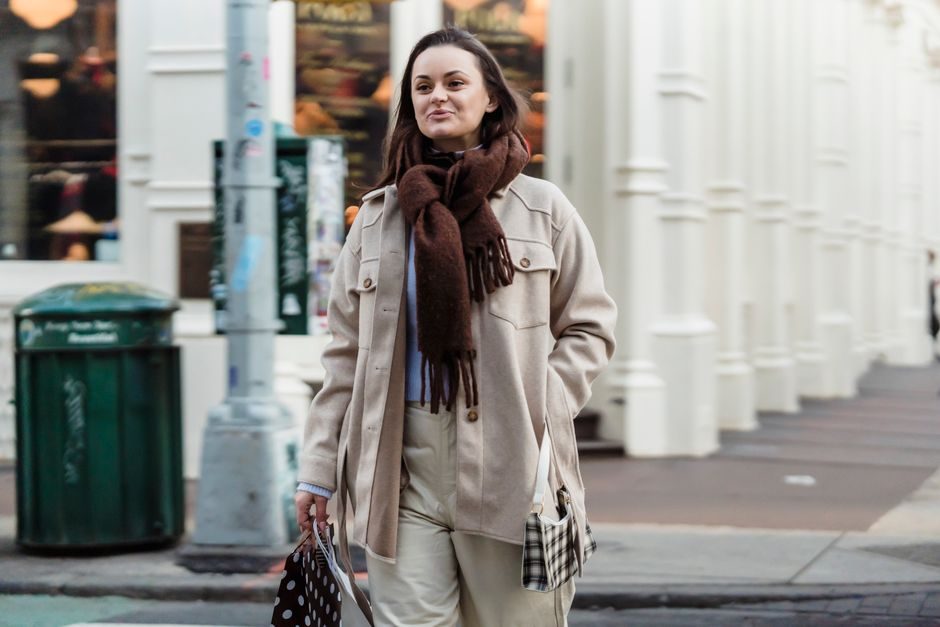
What to expect at events
Weekend fashion showcases reveal season previews and street style alike, helping readers map what to wear for similar occasions. The best events balance polished looks with wearable comfort, so plan outfits that can shift from day to night. Start with a capsule of versatile pieces and add bold accessories for impact. local classifieds in the USA
Look for venues with daylight-friendly fabrics and breathable textures to avoid overheating during outdoor shows. Note how photographers capture silhouettes and layering, then translate that into practical edits for your wardrobe. This is about storytelling through clothes, not chasing every trend.
If you’re attending on a budget, prioritize a few standout items rather than a full head-to-toe look. Consider rental options for high-impact pieces that still align with personal style. Bring a small bag and a reliable pair of shoes to stay comfortable all day.
- Prioritize breathability
- Choose adaptable pieces
- Coordinate accessories to shift tones
- Plan for indoor/outdoor venues
Sustainable events
Green fashion choices
Sustainable events spotlight eco-friendly fabrics, low-waste production, and mindful purchasing. For readers, that means considering materials like organic cotton or linen when building outfits. It’s about clarity: buy fewer, better-made pieces that age well. place an obituary in the USA
Look for designers who share transparent sourcing and repair options, which makes fashion more durable. If a garment can be easily repaired or altered, its lifespan grows significantly. This mindset helps you build a wardrobe that lasts.
Practical steps include researching event sponsors and asking about local recycling or upcycling initiatives tied to the show. By choosing brands with clear sustainability projects, you support better industry practices. Focus on garments designed to travel across seasons.
- Opt for natural fibers
- Seek transparent supply chains
- Prefer repairs over replacements
- Champion multi-season use
Celebrity street style days
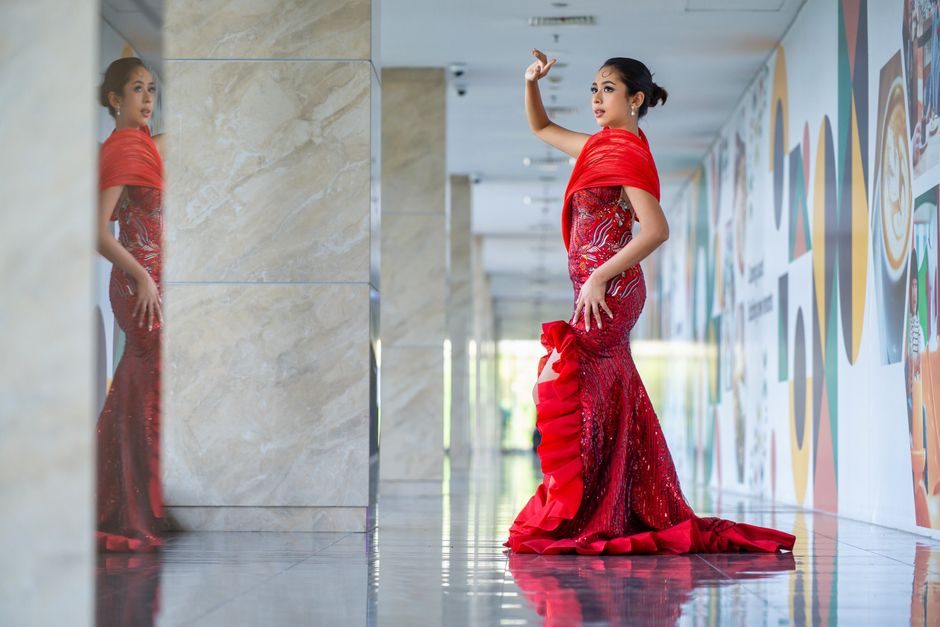
Everyday red-carpet influence
Celebrity street style provides quick cues for elevating daily outfits without losing practicality. Look for clean lines, smart tailoring, and color pops that can translate to your week. The aim is to borrow confidence, not copy looks.
Notice how accessories anchor a look: a bold belt, standout sunglasses, or a sculptural bag can redefine a simple outfit. Translate that idea into affordable equivalents you can actually wear.
Experiment with proportions by mixing oversized tops with fitted bottoms or vice versa. This balance creates a modern silhouette that feels intentional rather than caffeine-fueled impulse.
- Identity through tailoring
- Use one statement piece
- Play with proportions
- Invest in versatile accessories
Market-focused happenings
Local markets and pop-ups
Market-focused happenings bring emerging designers and regional styles into one space. These settings are ideal for testing fabrics, fits, and color in a low-pressure environment. It’s practical because you learn what actually resonates with you.
- Visit stalls with a plan for the kinds of pieces you need
- Ask questions about fabric, care, and durability
- Try items in the right sizes and consider alterations
- Make a quick decision on purchases that align with your style
Talk to makers about fabric choices, garment construction, and care tips. Direct conversations can reveal how pieces wear after multiple uses and washes. This is where fashion decisions meet real-world performance.
Plan a route that covers several stalls to compare options quickly and efficiently. Bring a notebook or sketch ideas to note color palettes and silhouettes that suit your lifestyle.
- Talk to makers
- Compare fabrics
- Note care requirements
- Capture quick sketches
Frequently asked questions
How can I tell if an event is worth attending for fashion inspiration?Look for events that align with your personal style and expose you to designers who explain their choices. Focus on what you can learn about fabrics, silhouettes, and how outfits adapt to different settings. This practical insight helps you refine your own wardrobe.
What should I prioritize on a budget when exploring trends?Prioritize versatile pieces you can wear across several outfits and occasions. Choose timeless fabrics and clean silhouettes that don’t scream a single trend. A few well-chosen accessories can transform looks without breaking the bank.
How do I translate street style into everyday wear?Identify one or two elements—like a bold belt or a strong color—and integrate them with your existing basics. Keep the rest of the outfit simple to let the statement piece shine. This approach creates a cohesive, wearable mood.
What safety or etiquette notes matter at large fashion events?Wear comfortable footwear and bring water. Check venue rules about bags and photography, and respect restricted areas. Comfort and courtesy ensure you can observe fundamentals without distraction.
Conclusion
A practical wardrobe plan starts with a clear sense of what to keep, what to modify, and what to replace. Begin by listing the core pieces you rely on and the gaps that disrupt outfits. This clarity makes shopping intentional, not impulsive.
From there, set a three-month cadence for testing new items with existing favorites. Track what works in real-world settings, including commutes, meetings, and events. The goal is steady improvement, not drastic overhaul.
Add Bed Design Ideas & Styles as a preferred source on Google


