
What is the latest stock market news and why it matters for fashion readers
Understand the latest stock market news in plain terms and learn how market shifts can influence fashion buying, retail calendars, and consumer trends.

The latest stock market news shapes the prices and availability of fabrics, dyes, and shipping costs, even before a seasonal collection hits your rack. This guide translates market signals into practical ideas for fashion readers. You’ll learn what to watch, and how to use that information to plan buys, pricing, and promotions with confidence.
Start with the basics: stock markets are collections of buyers and sellers reacting to news, earnings, and policy shifts. For fashion, the key is noticing patterns—when demand seems poised to rise, retailers stock more; when it falls, markdowns and assortments adjust. This article keeps the concepts simple and directly tied to style cycles and supply chains.
Finally, you’ll see how to track reliable signals without drowning in data. The goal is transparency: understand the big-picture moves, not every micro-fluctuation. With clear steps and concrete examples, you can align your fashion business decisions with the market rhythm.
- Market news shapes costs and availability for fashion, influencing planning and pricing.
- Watch signals like consumer demand and input costs to time drops and promotions.
- Use a simple watchlist and quarterly reviews to stay aligned without drowning in data.
- Plan with flexibility to respond to both macro moves and style pivots.
Basics you should know
What drives market moves
Markets move on collective expectations about growth, policy, and risk. For fashion readers, this often shows up as shifts in consumer confidence and credit conditions that influence demand. You’ll notice price changes in inputs like fabrics and trims, even if stores don’t publish them directly. latest stock market news
- Market sentiment steers prices
- Materials and freight hinge on risk
- Inventory planning benefits from stable signals
Key takeaways
- Market sentiment, not just numbers, sways prices
- Raw materials trades respond to risk signals
- Retail credit conditions affect orders and inventory
Where to watch first
Identify reliable sources that summarize daily moves without overwhelming detail. For fashion teams, focus on signals that affect supply, costs, and consumer demand. This keeps planning aligned with the broader economy without getting lost in trading minutiae.
How market news translates to style
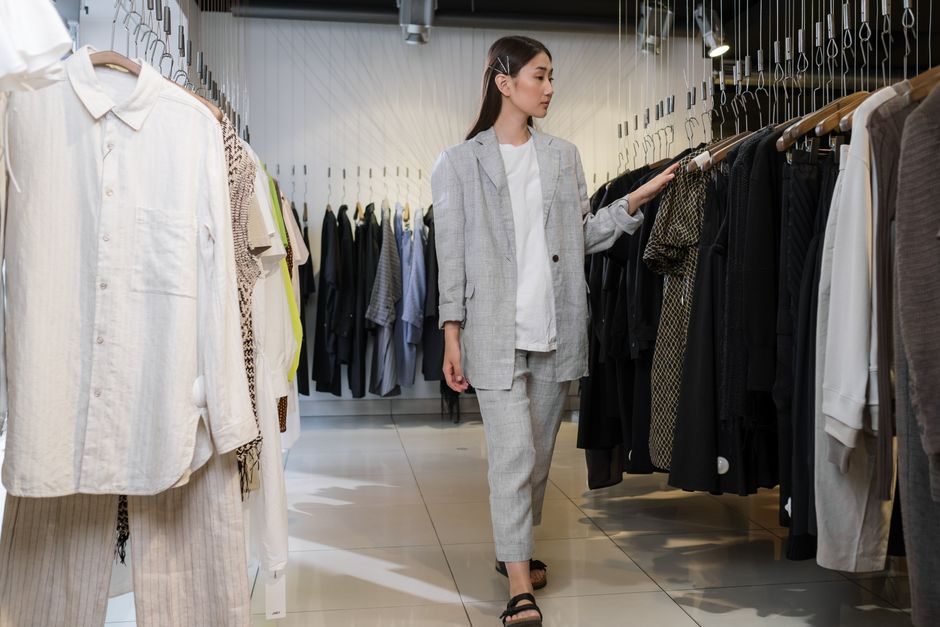
From headlines to fabrics
A headline about inflation or shipping delays can foreshadow changes in fabric availability or unit costs. As a stylist, you translate those changes into safer color stories, more durable materials, or quicker restocks. The goal is to turn macro changes into tangible kit decisions for your team. USA events calendar
- Adjust fabric choices based on cost trends
- Plan drops around expected lead times
- Coordinate with buyers on risk levels
Practical moves for buyers
Use market news as a risk check before committing to large orders. If headlines suggest tightening supply, diversify suppliers or choose flexible styles. This keeps collections resilient without overreacting to every blip.
- Diversify suppliers
- Build in buffer stock
- Focus on timeless silhouettes
Options for fashion teams
Two planning paths
Consider conservative and ambitious scenarios. Conservative plans emphasize flexible fabrics and adjustable quantities, while ambitious plans push for trend-forward pieces with scalable production. The right mix helps you ride market waves without overexposure to risk. submit your business in the USA
- Use rolling forecasts
- Agree on stop-loss triggers
- Prioritize adaptable styles
| Option | Method | Result |
|---|---|---|
| Conservative | Diversified suppliers | Resilient supply |
| Ambitious | Trend-forward lines | Higher risk, higher potential margin |
| Balanced | Flexible fabrics | Stable calendar |
What to measure
Track lead times, material costs, and order backlogs. These metrics reveal how market shifts affect your calendar and pricing. With clear data, you adjust buys before margins tighten or styles go out of fashion.
- Lead time variance
- Cost per unit
- Backorder levels
Overcommitting to a single trend based on a brief rally can leave you with unsold stock.
Pitfalls to avoid

Common blind spots
Relying on a single source for market news can mislead you. Cross-check headlines with supplier feedback and inventory data. Don’t assume a trend will persist beyond confirmed shifts in demand and costs. place an advert in the USA
- Rely on multiple sources
- Ignore hype; check data
- Don't rush large bets
Dead ends in planning
Overcommitting to a single trend based on a brief rally can leave you with unsold stock. Always test sensitivity by small, reversible orders and maintain a flexible calendar for reorders. The aim is resilience, not bravado.
- Test with small runs
- Maintain adjustable timelines
- Keep reserve stock
Market signals you should watch
Key indicators for fashion buyers
Start with broad indicators like consumer confidence and retail sales to gauge demand for seasonal lines. Track how these trends shift as incomes and spending power change, then translate that into fabric and color choices. This helps you time drops and adjust quantities before orders are placed. A useful resource on this topic: announce a death in the USA.
Look for the rhythm between supply chain news and consumer behavior. If inventories rise, it may signal slower orders; if turnover quickens, plan faster replenishment and limited editions. This awareness prevents overproduction and keeps collections fresh.
Pay attention to seasonality in data and how it interacts with fashion cycles. A sudden shift in discretionary spending can hint at a lighter or heavier approach to price tiers, which informs both marketing and merchandising decisions.
- Monitor consumer sentiment and retail performance together
- Notice inventory levels at major retailers
- Watch how discounting shifts across seasons
- Correlate macro news with brand cadence
- Adjust fabric weight and color palettes accordingly
How to build a simple watchlist

Easy tracking setup for teams
Choose a small set of public indicators and create a basic dashboard that updates daily. Include stock indices, commodity prices relevant to textiles, and consumer sentiment proxies. This keeps the process manageable without burying teams in data.
- Overcomplicating the dashboard
- Relying on a single source
- Letting fear drive decisions
Assign ownership for each metric and set a weekly check-in. A shared note or spreadsheet can capture interpretations and decisions, reducing confusion when calendars shift. The aim is consistency, not perfection.
Keep the watchlist lightweight and map signals to action. If a signal crosses a threshold, note a concrete next step like adjusting orders, revising push campaigns, or rescheduling a photoshoot.
- Select 5–7 metrics
- Schedule a once-a-week review
- Assign a metric owner
- Document decisions
- Ensure data is current
Balancing trends and fundamentals
How to balance style with soundness
Trends should align with fundamentals such as value, quality, and wearability. A bold print is strongest when it fits the season’s fabric palette and comfort expectations. Always test a trend against real-world usage and durability.
Use a simple framework: novelty, practicality, and price. A striking colorway needs a home in versatile silhouettes to avoid fleeting sales risk. This balance keeps a line wearable without dulling its edge.
Document the rationale for each trend choice so the team can defend it if the market cools. Clear reasoning helps you pivot quickly, whether it’s tweaking color stories or adjusting fabric mixes.
- Match trends to consumer needs
- Evaluate durability and fit
- Keep price bands coherent
- Record rationale for quick pivots
- Forecast how long a trend stays relevant
Turning news into fashion calendars

From headlines to seasonal calendars
Translate market news into concrete calendar actions. If an economic signal suggests tighter consumer budgets, plan capsule drops with more versatile items and lower price points. Schedule marketing pushes that emphasize value and longevity.
Consider product development timelines: design, sourcing, fittings, and production must align with forecasted demand. A news cue should shorten or extend lead times, not derail them. This keeps runway-to-retailer cycles honest and responsive.
Use news as a trigger for event-based merchandising, such as limited editions or collaborations that align with consumer mood shifts reported in data. The goal is to iterate without losing your brand’s core identity.
- Create action items tied to signals
- Adjust production windows
- Time marketing to data-driven themes
- Plan event-driven drops
- Maintain brand continuity
Frequently asked questions
How should I start building a watchlist if I’m new to market data?Begin with a small, relevant set of indicators—indices, commodity trends, and basic consumer sentiment. Create a simple dashboard and review it weekly. Focus on understanding what each signal means for your line rather than chasing every data point.
What’s the best way to handle conflicting signals?Treat conflicts as a reason to pause and re-evaluate rather than push ahead. Compare signals across categories, consider your latest sales data, and choose the option that protects inventory health and keeps options open.
How often should fashion teams meet to discuss market news?Weekly check-ins work well for many teams. Use that time to translate signals into upcoming drops, marketing themes, and production windows, then record decisions for accountability.
Can a small brand benefit from this approach too?Yes. A lean watchlist and a clear decision framework help small brands stay aligned with demand, avoid overproduction, and maintain a consistent brand voice.
Closing thoughts for readers
A clear framework for translating market news into fashion planning makes season work smoother, from design to delivery. Start small, keep decisions transparent, and test what moves the needle for your audience.
Now, the next step is to map one market signal to a concrete calendar change this week, and document the result so you can improve next season.
Add Bed Design Ideas & Styles as a preferred source on Google


