
Time-Smart Styling: A Practical Guide to Deadlines In Fashion
A clear, checklist-style guide for fashion readers on managing time in design, production, and styling, with practical tools and quick tips.

What you’ll gain here is a practical framework for organizing your fashion work around deadlines. This guide translates time-tracking ideas into wardrobe-ready steps, so you can finish looks, shoots, or collections on schedule. You’ll find a clear checklist, simple tools, and concrete examples you can apply this week.
Start with a realistic schedule that matches your pace, not a perfect one. Track your tasks by priority and duration, then build buffers for fittings, edits, and approvals. Expect the parts that slow you down to reveal themselves when you map your calendar against actual work.
The goal is steady progress, not perfection. By using a practical timer, shared calendars, and a few templates, you turn time into an asset rather than a constant source of stress. This approach helps you ship looks with cleaner lines and fewer last-minute scrambles.
- Plan backward from your final date and map milestones.
- Use simple time-tracking and shared calendars to stay aligned.
- Build templates and modular components to speed up repeated work.
- Prepare for changes with backup plans and clear communication.
Basics of time-aware fashion planning
Set clear milestones and dates
Begin with the final show or shoot date and mark essential milestones backward from there. Break milestones into design, sourcing, and fitting phases so you know what must happen when. This clarity reduces last-minute guesswork and helps you allocate tasks realistically. Avukatlar için Süre Hesaplama Araçları
- Define the final delivery date and work backward to each phase
- Assign owners for each milestone and hold them accountable
- Include buffer days for revisions and approvals
- Review progress weekly and adjust as needed
When milestones are visible, you can spot dependencies early, like fabric lead times or sample approvals. That awareness prevents kerfuffles during production days. A calm, prepared team runs smoother and faces fewer surprises on the launch week.
A practical setup uses a single calendar view and a shared status board. Everyone sees what’s due, what’s blocked, and what’s complete, which keeps momentum high and misunderstandings low.
- Set the final date first
- Break into design, sourcing, fittings
- Mark dependencies early
- Use a shared calendar
Choose simple time-tracking tools
Pick a few reliable tools that fit your team size and rhythm. A basic calendar, a to-do list app, and a shared document can cover most needs. Avoid tools that complicate the workflow with excessive features.
Track tasks in small chunks—20- to 60-minute blocks work well for design sketches and fittings. Regularly update task status so everyone knows what’s moving forward and what’s resting.
The point is clarity over complexity. A clean workflow reduces miscommunication and frees energy for creative decisions.
- Use a calendar as the spine
- Log tasks in short blocks
- Keep statuses current
- Prefer simplicity over abundance
How to apply time checks to styling
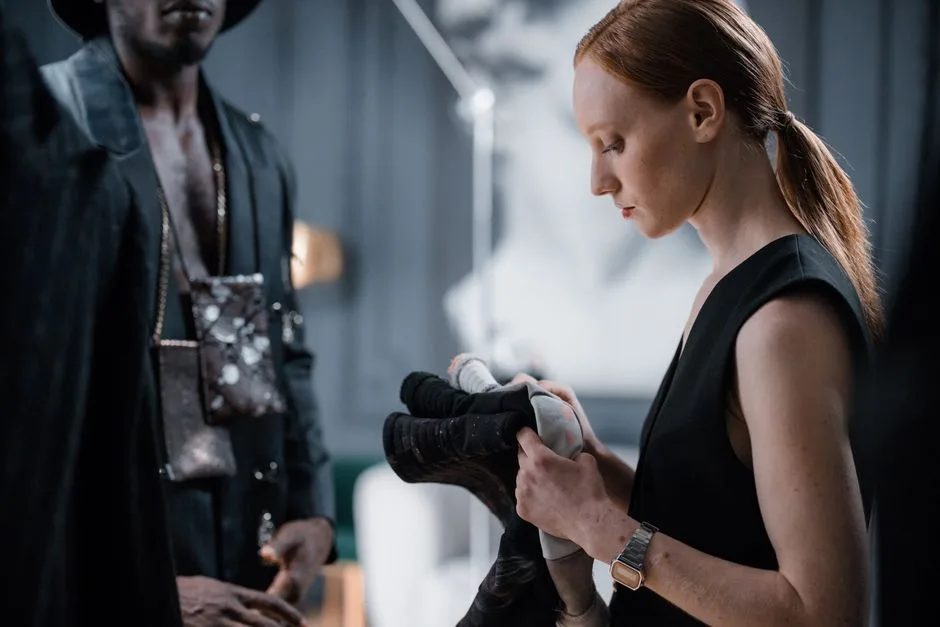
Plan shoots around timing constraints
Start with the shoot date and plan wardrobe, makeup, and set changes to fit that timeline. Preselect looks that require minimal changes between outfits to save time. avukatlar için süre takip uygulaması
Create a backup plan for quick changes, like interchangeable accessories or multifunctional pieces. This reduces delays if a look needs tweaking on set.
Communicate timelines clearly to photographers, models, and assistants so everyone knows when to switch looks and where to be. A coordinated clock keeps the shoot moving.
- Schedule outfits with changeovers in mind
- Have interchangeable pieces
- Communicate timing to the crew
- Build a quick-change kit
Options for time-saving workflows
Adopt modular design and sampling
Use modular design where components can be mixed and matched to create multiple looks from a core set of pieces. This approach cuts design time and reduces fabric waste. Avukatlar için PTT UETS Süre Takip ve Hesaplama Uygulaması
Keep a lean sampling process: approve a small, representative set of samples before full production. This minimizes alterations and speeds up delivery.
Document standard measurements and fit notes so future collections can reuse successful patterns without reinventing the wheel.
- Modular components
- Lean sampling
- Standardize measurements
- Reuse pattern notes
| Option | Pros | Cons |
|---|---|---|
| Modular design | Saves time, reduces waste | Requires upfront planning and discipline |
| Lean sampling | Speeds approvals | Might miss some edge-case issues |
| Templates for tasks | Boosts consistency | Can feel impersonal if overused |
Create reusable templates for tasks
Templates for invites, mood boards, and approval requests speed up repeated tasks. Save a version that fits your studio culture and update as needed.
Use checklists for fittings, makeup tests, and location prep so nothing slips through. This keeps teams aligned across shoots.
Set up a weekly review to refine templates based on what slowed you down previously.
- Mood board templates
- Fitting checklists
- Approval request forms
- Location prep outlines
When deadlines loom, fashion teams often overlook the time needed for wardrobe fixes and fittings, leading to rushed outfits that look off-camera.
Risk and pitfalls to avoid
Common deadline blind spots
When deadlines loom, fashion teams often overlook the time needed for wardrobe fixes and fittings, leading to rushed outfits that look off-camera. Start with a clear calendar and build buffers for alterations, steaming, and last-minute changes. Acknowledge that even small delays ripple through shoot plans and cast schedules.
- Double-check each outfit's wait time for pressing or steaming
- Confirm accessory availability before the day of shoot
- Have a backup look ready in case of last-minute changes
In this space, underestimate tasks at your own risk. Schedule trims, scale checks, and color-matching as separate, non-negotiable steps. Treat every tweak as its own milestone so minor issues don’t escalate into major delays.
Rushing worsens texture, fit, and finish, so plan for a calm lead time instead of a sprint.
- Map each look to a dedicated time slot
- Allocate 20% extra time for repairs
- Review wardrobe notes with assistants before fittings
- Keep a quick-reference fabric and care guide
Tips for fast-moving wardrobes
Efficient outfit edits
Build a capsule of versatile pieces that mix and match across looks, reducing the number of combinatorial options you must test. This keeps decisions lean and ensures you stay within tight deadlines. Note which items photograph best under studio lights and adjust the lineup accordingly.
- ☐ Keep a portable sewing kit ready for quick fixes
- ☐ Carry fabric tape and a mini steamer
- ☐ Bring color swatches for quick match checks
- ☐ Have lint roller and brushes on hand
Use quick fixes like removable snaps, safe seam basting, and discreet hemming for on-set tweaks. These small, practical edits save time without sacrificing style. Prioritize finishing touches that can be applied in under five minutes per item.
Establish a setup routine: hang, tag, and note each item’s preferred lighting and camera settings. This reduces back-and-forth and helps the team stay aligned under pressure.
- Create interchangeable look blocks
- Pre-press accessories with outfit labels
- Mark preferred lighting for each garment
- Keep fabric-friendly tools at hand
Final guardrails for deadlines
Clear decision checkpoints
Define decision points at the end of each day during a shoot week to lock in looks and trims. This reduces ambiguity and speeds up approvals with clients or art directors. A simple yes/no checklist avoids endless debates.
Communication as a boundary
Communicate expectations upfront with models, designers, and crew. Share a concise schedule, camera directions, and contingency plans so that everyone knows when to move on. When information travels quickly and clearly, delays shrink.
Beyond deadlines: creative momentum
Momentum over pressure
Momentum comes from steady routines and small rituals that keep creativity flowing. Create a weekly mood board review, quick styling sprint, and a rotating cast of collaborators to keep energy high without burning out. This steadiness translates to sharper editorial storytelling.
Protect time for playful experimentation within constraints. A limited palette or a single bold accessory can spark unexpected looks that still meet the deadline. Reserve space for joyful exploration that doesn’t derail the schedule.
Document breakthroughs so you can repeat them in future shoots.
Sourcing without overstock
Time-saving sourcing means pre-qualifying suppliers, maintaining a small but reliable roster, and using embargo-friendly discoveries. This approach prevents last-minute scrambles for garments that look right on camera but complicate logistics. Focus on dependable, stock-ready pieces.
- Pre-approve supplier lead times
- Keep a small, curated supplier list
- Test pieces well before editorial dates
Frequently asked questions
How can I build a deadline-friendly wardrobe without sacrificing style?Start with a core color story and a handful of interchangeable pieces. Plan looks around these anchors, then add one statement item per shoot. This keeps the wardrobe cohesive and speeds up decisions on set, while still allowing fashion-forward moments.
What should I do if a garment arrives late?Have a back-up option ready and a quick alteration plan. Communicate immediately with the editor and stylist to swap in an available alternative that fits the mood of the shoot. Small logistic changes are easier to absorb than last-minute style scrambles.
How do I balance creative risk with timelines?Set a dedicated time window for experimentation early in the schedule, then lock the rest of the plan. Use that window to test one bold idea, while other looks stay within proven silhouettes. This keeps momentum without derailing deadlines.
What tools help maintain consistent schedules on set?Use a single, shared wardrobe chart and a digital checklist that tracks fittings, steamings, and alterations. Ensure everyone knows where to find updates and who approves each change, so decisions move quickly.
Closing thoughts for editors and designers
Deadlines shape how fashion comes to life on screen, and smart planning keeps the art honest and persuasive. The goal is to balance speed with refinement, so each look reads clearly and feels intentional.
Let this be a practical reminder: solid routines and reliable partners turn a tight schedule into a canvas for bold ideas. The next step is building a wardrobe workflow that fits your team, then testing it in a real shoot to learn what sticks.
For more insights on this topic, you might find How to Use a Timely Lawyer particularly informative.
If you enjoyed this article, we recommend checking out Kimonomodasi için süre takip uygulaması: iş for further reading.
For a deeper understanding of this topic, Avukatlar için PTT UETS Süre Takip offers valuable insights worth exploring.
Add Bed Design Ideas & Styles as a preferred source on Google


