
Smart fashion guide: legal help you can trust
A practical guide for fashion readers on when to seek legal help, how to choose a lawyer, and pitfalls to avoid, with clear steps and real-world examples.

You want to protect your fashion work without getting bogged down in legal jargon. This guide translates common legal needs into quick, actionable steps that fit a style-focused lifestyle. You’ll learn when legal help is actually necessary and how to choose someone who speaks your language and respects your brand.
Across fashion, contracts, IP, and claims, clear boundaries save time and money. We’ll map out practical moves you can take today, with examples that feel relevant to editors, designers, and influencers. Expect concrete checks, not vague warnings.
By the end, you’ll know how to spot the moment you need legal advice, what to ask for, and how to document decisions so your creative flow stays uninterrupted.
- This guide helps readers decide when to seek legal help and how to work with fashion-law professionals. It offers practical steps, templates, and checklists.
- You’ll learn to define ownership, rights, and responsibilities across design, manufacturing, and campaigns with real-world examples.
- The piece emphasizes clear documentation, simple licenses, and early reviews to keep creative work flowing smoothly.
Basics to know before hiring
Legal needs in fashion
Understand typical legal needs in fashion, such as contracts, IP, and licensing, so you know what to discuss with a lawyer. This section explains when you should seek help early, before a small issue becomes a costly dispute. It also shows how to prepare a basic file of your designs, terms, and contact information. Avukat Aramak İçin Hukuki Uzman should be read early in the design process to set expectations and avoid scope creep.
Prepare straightforward contracts with suppliers and collaborators to avoid confusion. Simple templates help you move faster and protect your work. You’ll learn what information to collect and why it matters.
- Keep a simple design log with creation dates
- Record clear payment terms and ownership rights
- Maintain written consent for use of imagery
Choosing a lawyer wisely
You don’t need the flashiest firm to get solid help. Look for experience with fashion, media, or IP and a client-friendly pace. The right attorney translates jargon into actions you can implement.
How to handle IP basics
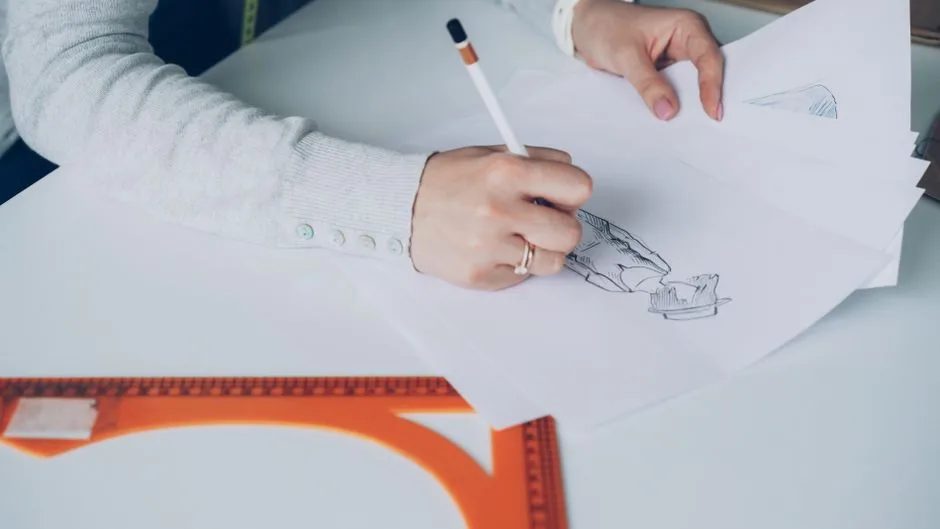
Protecting your designs
Copyright and design rights can protect visuals, patterns, and original graphics. Start by registering key works if feasible, but more importantly, document dates and original authorship. This creates a trail you can rely on in disputes. Ankara Ağır Ceza Avukatı is a resource to consult when a dispute threatens deadlines or brand integrity, not a luxury option.
- Keep a dated record of every design you release
- Use written licenses for every third-party use
Licensing your work matters. Clearly define where, how long, and by whom your designs can be used. A simple license helps prevent unauthorized reproduction and clarifies revenue sharing.
- Document each design’s creation date
- Store versioned files in a secure cloud
- Share licenses with collaborators in writing
Defining licenses and contracts
Contracts are the backbone of collaborations, from manufacturing to influencer campaigns. A clear contract sets scope, payments, timelines, and publicity rights, so both sides stay aligned. Your goal is predictability, not punishment.
Use simple, precise language and avoid ambiguous terms. Specify what happens if deadlines slip and how disputes will be resolved. This prevents messy back-and-forth later.
- Define deliverables and timelines
- State payment terms clearly
- Identify ownership of final assets
Options for different needs
When to hire a lawyer vs DIY
New creators often handle small issues themselves but know when to escalate. If a contract feels confusing or you face a potential claim, a professional review saves time and risk. For ongoing operations, a retainer can offer steady guidance.
- Start with clear templates
- Ask a lawyer for a quick review when unsure
DIY checks include reading terms, using templates cautiously, and keeping records. If trouble looms, it’s time to consult a lawyer who understands your sector.
- Use templates with caution
- Keep contract files organized
- Seek advice for ambiguous clauses
| Option | Pros | Cons |
|---|---|---|
| DIY template review | Fast and cheap | Less reliable for complex issues |
| Lawyer review | Clear guidance | Costs can add up |
| Retainer for ongoing support | Predictable access | Commitment needed |
Negotiating terms for collections
If you manage multiple pieces or collections, negotiate terms that reflect scale. Favor broader rights only when compensated and documented. The goal is freedom to develop while protecting your brand.
Consider inclusive terms, like future collaboration bonuses or re-use rights that align with your plans. Always anchor negotiations in written language you can enforce.
- Ask for explicit use rights
- Tie payments to milestones
- Document all amendments
The simplest fix is to demand concrete definitions up front and to push back on ambiguous language.
Common pitfalls to avoid

Red flags in contracts
Hidden fees, vague scopes, and unclear ownership trigger trouble later. The simplest fix is to demand concrete definitions up front and to push back on ambiguous language. A contract should spell out who owns what, and when rights revert.
Be wary of one-sided terms that bind you without reciprocal benefits. A fair document protects both sides and reduces disputes over interpretation.
- Ambiguity about ownership
- Unclear payment terms
- Overbroad publicity rights
Handling disputes calmly
Disputes don’t have to derail your season. Start with calm communication, a brief written record of events, and a willingness to find a middle ground. If the issue grows, a lawyer can help frame a settlement or outline options for resolution.
Avoid public clashes or escalating social-media drama; private, documented interactions move faster toward outcomes. You’ll protect both your brand and relationships.
- Document all communications
- Seek mediation before litigation
- Preserve evidence carefully
Resources for finding help
How to vet legal pros for fashion
Start with a simple criteria list: what you need, your budget, and expected response times. Compare how different pros describe their process and turn-around for fashion IP or contract reviews. Look for recent work or case notes that align with your brand’s niche to gauge fit.
Ask for written estimates and scope documents before engaging. A clear proposal helps you avoid scope creep and hidden fees. Find a consultant who explains risks in plain terms and proposes practical solutions.
Ask about experience with fashion labels, trademarks, and licensing agreements. If a pro can name common pitfalls in fashion contracts, you’ll see they’re not guessing. Ensure they can tailor advice to your product line and marketing plans.
- Define your immediate goals
- Request a written price quote
- Check for relevant fashion experience
- Ask for a sample memo on your issue
Brand protection on a budget
Cost-conscious IP safeguards
Protecting your designs doesn’t require a large retainer. Start with essential registrations and clear brand guidelines that deter copycats. Prioritize top-selling items and regions where you expect growth to maximize impact.
Use simple, enforceable contracts for manufacturers and retailers. A well-drafted agreement can prevent disputes over royalties, attribution, and product quality.
Keep a catalog of your assets: sketches, invoices, and packaging. This helps prove ownership if a dispute arises and speeds up any enforcement steps.
- Register core brand elements
- Create a one-page vendor contract
- Document asset ownership
- Review distribution terms
Ethics and transparency in fashion
Clear supply chain disclosures
Be explicit about sourcing practices and supplier standards on product pages. Consumers increasingly expect honesty about materials, labor, and environmental impact. Transparent disclosures build trust and reduce post-purchase complaints.
Draft a simple supplier code of conduct and require compliance in contracts. If a partner fails a policy, have an exit clause ready without chaos.
Communicate updates promptly. A public-facing statement that explains corrected information or a recall process helps preserve brand integrity.
- Publish sourcing basics
- Attach supplier codes of conduct
- Explain recall or correction processes
Your ongoing legal toolkit

Templates you can reuse
Develop a small set of reusable templates for common needs, like vendor contracts, licensing deals, and non-disclosure agreements. Keep templates lightweight and adaptable to different product lines. This saves time and reduces last-minute drafting stress.
Customize each template with your brand voice and critical terms. Include a brief section on quality standards, delivery timelines, and IP ownership to avoid later disagreements.
Track changes and maintain a version history so the entire team can review updates quickly. A well-kept library prevents inconsistent terms across collaborations.
- Vendor contract template
- Licensing agreement template
- NDA template
- Change log process
Frequently asked questions
Can a small brand register its logo quickly?Yes. Start with a basic trademark search, file a simple logo mark, and budget for a one-time filing and office action fees. A clear, official record helps you stop counterfeiters and gives you leverage in licensing talks.
What should I do if a supplier breaches a contract?Document the breach with dates and communications, then send a formal notice outlining remedies and a cure period. If needed, consult a lawyer to evaluate termination rights and potential damages, especially for ongoing production and payment terms.
Is it worth pursuing licensing early on?Licensing can unlock growth, but it demands precise terms and quality control. Start with a pilot license for a single product line, and insist on clear royalties, ETAs, and brand guidelines to avoid disputes later.
How transparent should fashion brands be about ethics?Be honest about material sourcing and labor standards in terms of what you can document. Publish a simple, verifiable account of practices and address issues promptly if something changes. This builds consumer trust and reduces risk of reputational harm.
Sustaining legal fitness for fashion
A steady set of templates, transparent supplier policies, and documented ownership form the backbone of a resilient brand. You gain speed, clarity, and protection without overcommitting resources.
Build a habit of reviewing contracts before signing and keeping records organized. Your ongoing toolkit should evolve with your growth, not gather dust. Ready to start is taking one concrete step this week, such as updating a vendor contract or publishing a sourcing note.
For more insights on this topic, you might find Hukuki Uzman ile Moda Hızında Bilgilendirme particularly informative.
For more insights on this topic, you might find Ankara’nın en iyi ceza avukatları: stil particularly informative.
If you enjoyed this article, we recommend checking out Practical guide: Avukat Ara for fashion for further reading.
Add Bed Design Ideas & Styles as a preferred source on Google


