
Practical fashion guides that link to local updates
A clear, reader-focused view on turning local notices into style insight, with concrete steps and practical tips for fashion-minded readers.

What you wear can reflect more than taste; it signals awareness of your surroundings. This guide shows how to translate local notices into smart fashion moves, without extra effort or guesswork. You’ll learn quick checks, practical choices, and a reliable way to stay stylish while staying informed.
The approach stays grounded in real-world steps: observe, assess, apply, and adapt. Expect concrete examples and clear reasoning for when a notice matters to your wardrobe. By the end, you’ll have a simple framework to turn everyday information into wearable decisions.
From noticing fabric trends in neighborhood chatter to matching them with your existing pieces, the goal is utility without noise. Use these steps to build outfits that feel intentional and timely. There’s nothing vague here, only actionable ideas you can try this week.
- Turn local notices into practical outfit plans with a clear filter: fit, relevance, and versatility.
- Source wisely, favor quality and enduring pieces over impulse buys.
- Avoid common mistakes by keeping your wardrobe lean and aligned with real life.
- Stay organized by documenting outfits and revisiting them to guide future choices.
- Basics to notice before you style
- How to source pieces without overpaying
- Common pitfalls to avoid
- Tips to stay stylish with local updates
- Building a personal style map
- Seasonal transition reads
- Sustainable shopping habits
- Tech tools for fashion planning
- Frequently asked questions
- Practical next steps for consistent style
Basics to notice before you style
What to scan first
Start with the core details: color, fabric, and silhouette. Compare them to items you already own so you know what complements or clashes. This quick check prevents mismatches before you invest time or money. Bağcılar Mahalle Duyuruları
These notes help you filter noise from signal—only items that truly fit your style should move forward. If a notice mentions a bold shade, ask whether it suits your skin tone and wardrobe balance. Keep a mental short list of trusted neutrals you can rely on across looks.
A practical example is spotting a rental event update and deciding whether any borrowed pieces fit with your existing collection.
- Scan color, texture, cut
- Match with at least two existing pieces
- Ask if it fits your current wardrobe
- Note any potential fatigue points (care, storage, fit)
Linking a notice to your wardrobe
Consider whether a local update signals a trend you already anticipated or something new to test. If the item aligns with your color family, you can plan a simple outfit around it. If not, you can treat it as a learning moment without buying into it.
Think about how the notice could influence your shopping list: a single accessory, a new shoe style, or a practical outer layer. Your goal is relevance, not accumulation.
This is where a small experiment helps: borrow, swap, or resell items to keep your closet streamlined while staying on trend.
- Evaluate relevance to your daily life
- Plan a mini-outfit around the update
- Avoid impulse buys with a quick test
- Document results for future reference
How to source pieces without overpaying

Smart sourcing rules
Set a budget and stick to it for each update you pursue. Prioritize versatile pieces that pair with multiple outfits. This keeps your wardrobe cohesive and affordable. A useful resource on this topic: iş ilanları.
- ☐ Define budget before shopping
- ☐ List 2-3 versatile items
- ☐ Check fabric and construction
- ☐ Test fit and return policy
Look for timeless shapes and good fabric quality rather than hype. A well-made item lasts longer and feels more intentional in daily wear.
Try to use local sources first: neighborhood markets, swap events, or consignment shops tend to offer better value and quicker returns if you change your mind.
- Set a clear budget
- Choose versatile items
- Prioritize quality over trend
- Use local sources first
When to skip a purchase
If an update looks promising but you can’t justify a new piece, pause. Create an outfit with what you already own that mirrors the look instead. This keeps your closet cohesive and waste-free.
Use a trial period: wear a borrowed item at least twice before making it yours. If it doesn’t click, return or pass along.
Consider the long-term wear: will this item still feel relevant in 6 months? If the answer is uncertain, it’s safer to pass.
- Create outfits with existing pieces
- Borrow before buying
- Ask about long-term relevance
Common pitfalls to avoid
Putting trend above fit
Trend-led purchases often fail when they don’t suit your proportions or lifestyle. Prioritize fit and comfort; a well-fitting base item makes riskier pieces easier to style.
Try on and assess movement, not only appearance. If you can’t sit, bend, or walk comfortably, skip it.
A practical habit is to keep a simple, guilt-free return policy in mind when testing new looks.
- Avoid forcing trend pieces
- Check mobility and comfort
- Plan a simple outfit first
| Method | Pros | Cons |
|---|---|---|
| Thrifting | Low cost, unique pieces | Inconsistency in quality and size |
| Consignment | Higher quality, easier returns | Smaller selection, fees |
| Local swap | Fast, eco-friendly | Limited inventory, timing |
Overstuffing the closet
A crowded wardrobe makes styling harder and purchase decisions slower. Regularly prune items that no longer fit your life or taste. This keeps outfits fresh and easy to assemble.
If you can’t remember the last time you wore something, it’s a sign to rehome it. A lighter collection helps you see what you actually reach for.
Rotate seasonal pieces monthly to maintain visibility and use.
- Prune unused items
- Keep a lean, functional collection
- Regularly rotate seasonal wear
Turn a single local notice into a week of outfits by drafting a small schedule.
Tips to stay stylish with local updates

Make the updates count
Turn a single local notice into a week of outfits by drafting a small schedule. Mix and match pieces you already own to echo the update’s mood without buying new items.
Use color blocking or accessory accents to translate a notice into versatile looks. A scarf, belt, or bag can shift a neutral base into a cohesive ensemble.
Keep a one-page capsule plan: what you own, what to try, and what to pass on.
- Draft a week of outfits
- Use color and accessories
- Maintain a simple capsule plan
Documentation and memory
Take photos of outfits that stem from local notices. A small archive helps you spot patterns and refine future choices.
Over time you’ll see which textures, colors, and shapes your life actually supports. This reduces waste and builds confidence in your style.”
- Photograph outfits for reference
- Review archive quarterly
- Adjust shopping habits accordingly
Building a personal style map
Create a style baseline
Begin by listing 5 outfits you wear most often, then pull photos or notes to identify recurring colors, fabrics, and silhouettes. This map helps you recognize what actually works on you, not what trends demand. Use it as a compass when shopping or remixing existing pieces.
- Review your map every season to refresh priorities
- Add two new, versatile pieces each quarter
- Archive items that no longer fit your style
Next, compare your baseline to a few reference outfits from trusted fashion sources to spot gaps. Note where you lack pieces for certain occasions or seasons. The goal is a practical guide you can return to weekly.
Finally, document deviations from your map—unexpected colors, new textures, or different fits—and decide if they stay or go. Your map should evolve with taste, not freeze it.
- Identify core colors you love
- Track fabrics you wear most
- Mark fit preferences like slim or relaxed
- Note occasions you dress for
- Record pieces you plan to replace
Seasonal transition reads
Plan wardrobe handoffs
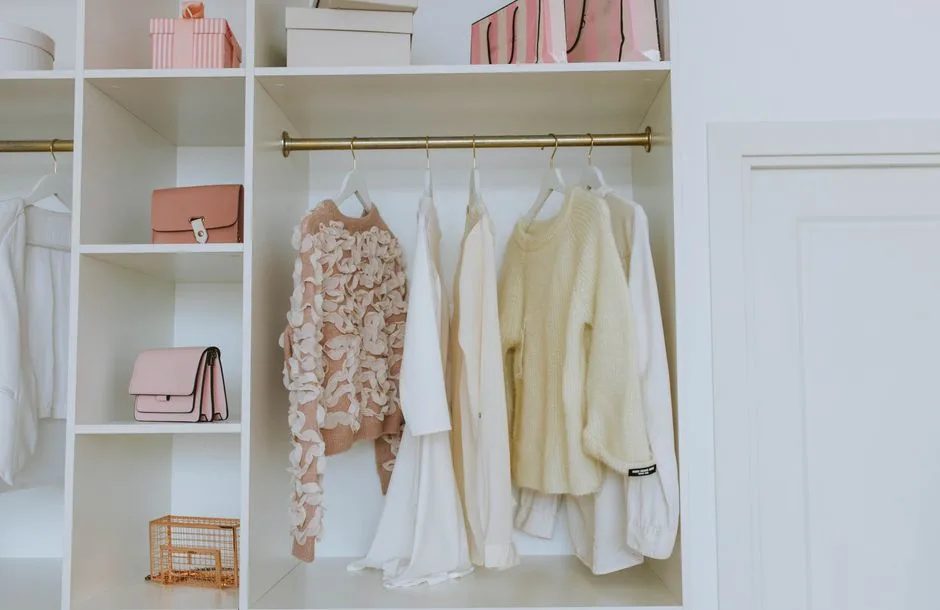
As temperatures shift, map layers that work together—base pieces, mid layers, and outerwear. Choose a few transition pieces that you can mix without overhauling your entire closet. This keeps outfits practical and stylish during fickle weather.
Experiment with lightweight knits, overshirts, and utility jackets that pair with your core colors. A simple system reduces decision fatigue and helps you maintain a cohesive look through the season.
Finish with accessories that bridge gaps—scarves, belts, and footwear that suit both warm and cool days. These small choices add polish without bulk.
- Layering basics that pair with most outfits
- Versatile outerwear for changeable days
- Footwear suitable for both ends of the season
- Color accents to refresh the palette
- Accessory swaps to alter mood
Sustainable shopping habits
Shop with purpose
Before buying, ask whether a piece fills a real need in your wardrobe. Check fabric quality, construction, and return policies so one item lasts longer. Purposeful shopping reduces waste and narrows impulse buys.
Compare alternatives at different price points and choose the option that offers durability over flash. A well-made garment can pay off through years of wear rather than a single season.
Keep a running list of what you actually wear versus what you buy. Let data guide future purchases so you don’t accumulate unused items.
- Choose quality over quantity
- Prefer repairable garments
- Avoid impulse buys
- Favor timeless pieces over fast fashion
- Support brands with transparent practices
Tech tools for fashion planning

Digital wardrobe workflow
A simple digital closet helps you see gaps and track what you actually wear. Start by photographing your top 20 pieces and tagging by color, fabric, and occasion. This quick catalog makes planning and remixing straightforward.
- Snapshot 1 week of outfits to spot patterns
- Note which items are underused
- Identify top three versatile pieces
Use a calendar or reminder system to schedule new combos, especially for events or travel. Having a plan reduces last-minute scrambles and ensures outfits align with your style map.
Finally, set reusable filters for your wardrobe, like ‘work-friendly’ or ‘weekend casual.’ These shortcuts speed up decision-making without erasing creativity.
- Capture pieces quickly with a phone
- Tag items for fast searches
- Create outfit bundles for mornings
- Link outfits to occasions or events
- Review usage monthly
Frequently asked questions
Should I ever ignore my personal map for a trend piece?If a trend piece offers a meaningful upgrade to your core wardrobe and is versatile across multiple outfits, it can fit your map. Otherwise, treat it as a one-off item and factor longevity before purchase.
How do I handle limited storage without losing style?Prioritize multi-season pieces, and use confident, visible organizers. Rotate garments seasonally to keep a lean but functional closet that still reflects your map.
Is it better to buy basics new or secondhand?Both options work. Buy new for items that need precise fit or high wear, and explore secondhand for durable staples or unique accents that align with your map.
What if local updates suggest a color outside my palette?Assess how often you’d wear that color and whether it can be integrated through accessories. If not, skip it and keep your palette intact.
Practical next steps for consistent style
Adopt a two-step practice: map your essentials this week, then test one new look every week for a month. Small, repeatable motions build lasting instincts without overwhelming your closet.
This habit creates a reliable rhythm: you learn what earns a place in your wardrobe and refine your purchases accordingly, keeping style practical and personal.
For more insights on this topic, you might find Practical Guide: Understanding Education News and particularly informative.
If you enjoyed this article, we recommend checking out Style roots: how to shop smart for further reading.
For a deeper understanding of this topic, Bağcılar Bürot Clean: So finden Sie offers valuable insights worth exploring.
Add Bed Design Ideas & Styles as a preferred source on Google


