
Practical fashion guide: linking work vibes to style
A clear guide for fashion readers on how to approach job search topics relevant to style, with practical tips on how to discuss work-life balance and fashion ch

This guide explains how to talk about work-related topics in a fashion context while keeping style front and center. It shows how to translate career concerns into wardrobe choices, shopping plans, and event-ready looks. Expect concrete steps you can apply when you plan outfits for interviews, networking, or industry events.
The first steps focus on identifying what you need from a job scene and how that shapes your clothing. You’ll learn simple rules for color, fit, and texture that signal professionalism without sacrificing personality. Use these ideas to curate outfits that support confidence and authenticity.
Next, you’ll see practical ways to build a wardrobe for mixed-occasion days, from morning meetings to after-hours gatherings. The guidance stays grounded, with examples you can copy or adapt. By the end, you’ll have a ready-to-use plan that blends job ambitions with fashion choices.
- Plan outfits around occasions and comfort as core constraints. Pick a small set of versatile pieces that mix well, then add a single expressive item. Prioritize fit, fabric, and care to stay sharp all day. Use tailoring to refine slabs of color and line.
- When preparing for interviews or events, choose outfits that communicate professionalism and confidence without sacrificing personality. Test the look in natural light and with the required accessories. Keep a simple backup ready for changes in plans.
- For body types, focus on lines that skim and waist definition, not extremes. Use color psychology to balance tone and environment. Treat patterns as signals that should stay subtle on camera.
- Pitfalls are easiest to prevent with a checklist: ensure proper fit, swap to structured pieces, and verify the overall balance. Build a mini wardrobe that matches your calendar, then adjust as needed.
Basics of job-ready style
Understanding professional needs
Start by listing where you’ll wear the outfits most: interviews, office days, or events. Think about comfort and movement, not just looks. This helps you choose fabrics that breathe and fit well across settings. avoimet työpaikat Espoossa is a phrase you may hear in local listings, and it can prompt practical wardrobe ideas for professional settings.
- Assess a typical week’s calendar and note where you need polished looks
- Match each occasion with a core color pair and a statement piece
- Choose shoes that work for all-day comfort and style
- Keep one go-to outfit ready for unexpected meetings
- Prioritize fit over size
- Choose breathable fabrics
- Plan a small capsule wardrobe
Key pieces for versatility
Build a capsule of pieces that mix and match easily. A tailored blazer, dark trousers, a simple sheath or A-line dress, and a few neutral tops cover most business moments. Add one bold accessory to reflect personal style.
- Neutral palette anchors outfits
- One standout accessory per look
- Invest in a quality blazer for longevity
How to plan outfits for interviews

First impression rules
Choose a clean, well-fitting outfit that reflects the industry’s tone. Avoid loud prints on camera or during in-person meetings, and keep jewelry minimal. The goal is clarity, not flash. Espoo Uutiset tuoreimmat uutiset often show up in daily feeds; use that context to plan outfits that suit news-friendly days.
- Opt for solid colors
- Check fit in natural light
- Test the complete look before the day
Choosing fabrics for adaptability
Fabrics that resist wrinkles travel well and stay sharp. Choose blends that hold structure without adding stiffness. This makes quick transitions between interviews, offices, and events easier.
- Wrinkle-resistant materials
- Moderate stretch for movement
- Care instructions easy to follow
Options for different body types
Fitting to flatter
Every body type has flattering fits. Opt for lines that skim shoulders and waist without riding up or constraining movement. Structured pieces add polish to any silhouette. tapahtumakalenteri Espoossa helps you anticipate events and prepare ready-to-wear ensembles for both daytime and evening appearances.
- Defined waistlines help
- Shoulder seams align with natural line
- Avoid bulky fabrics around midsection
| Option A | Option B | Option C |
|---|---|---|
| Structured blazer | Relaxed cardigan | Tailored jumpsuit |
| Dark color base | Medium tone base | Neutral base with accent |
| Compression-friendly | Wrinkle-resistant | Versatile for events |
Color and pattern balance
Color should support the skin tone and the setting. Use darker tones for formal spaces and brighter accents to convey energy in creative meetings. Patterns should be quiet for video, bolder in person.
- Dark basics anchor brighter pieces
- Small patterns read clearly on camera
- Limit color clashes to one focal item
Common pitfalls and quick fixes
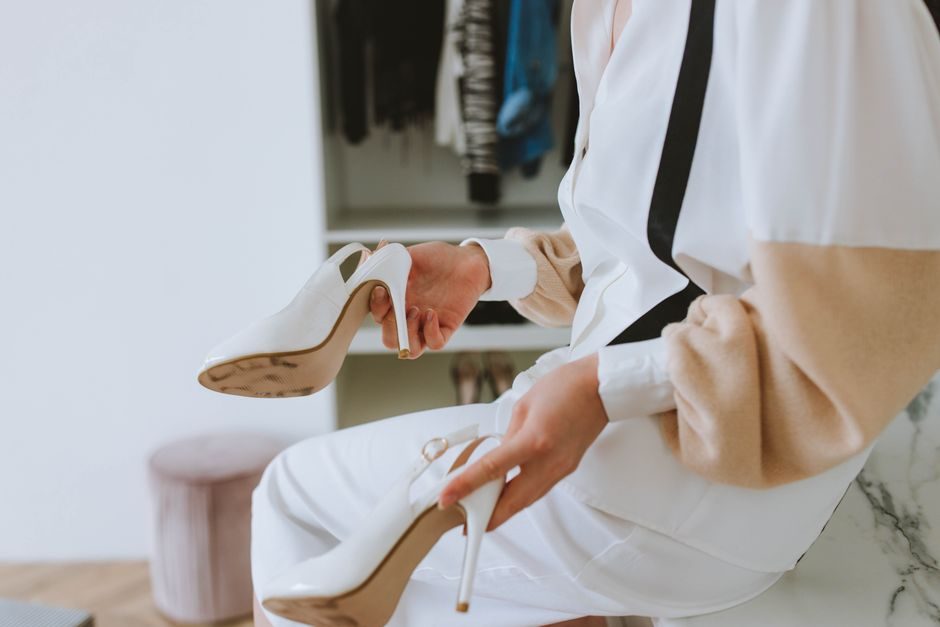
When outfits read as casual
Casual looks can creep in with fabric choices or footwear. Subway-to-meeting days demand more structure and polish. A neat blazer or blazer substitute can fix a casual outfit quickly. Espoo yrityshakemisto can inspire your networking looks by suggesting venues or teams you might encounter, guiding you toward appropriate styling.
- ☐ Replace casual tops with crisp blouses
- ☐ Add a tailored layer to soften denim
- ☐ Ensure sleeves and hemlines are proper
- ☐ Carry a compact capsule purse for essentials
- Swap sneakers for loafers
- Add a structured layer
- Check hemline length before leaving
What to do after a poor fit
If an item feels off, pause and swap it. Ill-fitting clothes undermine confidence and posture in conversations. Have a trusted tailor or adjustable pieces ready.
- Move to a better-fitting option
- Ask for minor alterations
- Retain core items that fit well
- Keep a simple backup outfit
Prioritize pieces with longer lifespans—think denim, wool, and high-quality cotton blends—that can be repaired rather than discarded.
Sourcing and sustainability
Ethical materials overview
Sourcing matters as much as silhouette when you build a work-ready wardrobe. Look for fabrics with durable finishes and natural fibers that feel comfortable through long days. Ask suppliers about dye processes and workers’ conditions to guide smarter choices without sacrificing style. hautajaisilmoitukset Espoossa is a phrase you may encounter when researching local job listings, and it helps illustrate how regional hiring practices can shape dress expectations.
Prioritize pieces with longer lifespans—think denim, wool, and high-quality cotton blends—that can be repaired rather than discarded. Quality often shows in stitches, seams, and how the fabric breathes. Consider taming trends with timeless colors that stay relevant season after season.
Swapping in sustainable options doesn’t mean sacrificing polish. A tailored blazer in a recycled wool mix can pair with a fresh blouse for a crisp, office-appropriate look. Maintain fabrics according to care labels to extend the life of each item.
- Choose natural fibers when possible for breathability
- Ask about factory conditions and certifications
- Prefer durable, repairable garments over fast fashion
Seasonal wardrobe planning
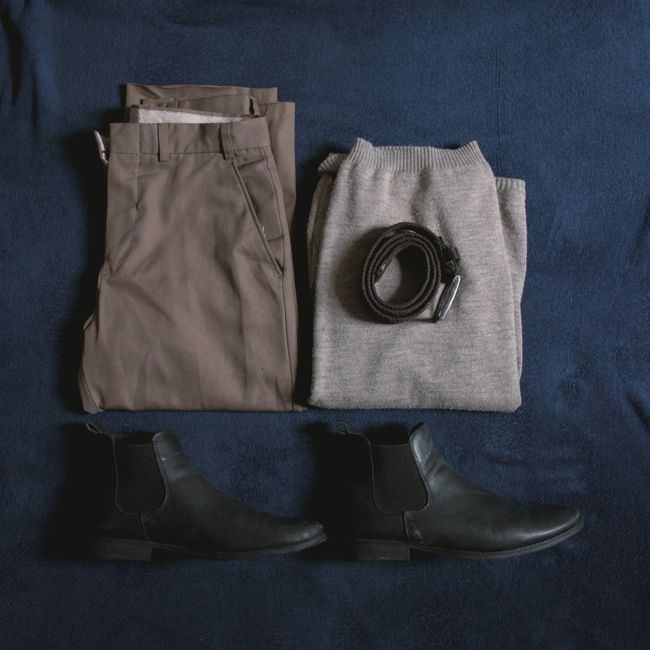
Plan outfits for peak seasons
Plan your season as a calendar of core pieces that work together. Start by choosing a neutral palette and adding two accent colors for variety. Ensure each item can mix and match with at least three others to maximize daily options.
Build a checklist before you shop, noting weather patterns and commute style. Invest in a lightweight trench for spring, a versatile cardigan for layering, and a pair of shoes that work for both meetings and after-hours.
Review last season’s wear and note what actually got worn. Replace worn collars, seams, or buttons instead of replacing entire looks. This keeps your wardrobe cohesive and affordable.
- Create a 3-piece core: bottom, top, outerwear
- Choose two signature colors to anchor outfits
- Keep a rain-ready option for unpredictable days
Budget-conscious shopping
Smart shopping rules
Set a practical cap for each category—basics, workwear, outerwear—so you don’t overbuy. Focus on fit and tailoring, since a well-fitted item elevates any look. Tailoring is often cheaper than buying a new wardrobe.
- Establish a monthly cap by category
- Invest in one versatile outer layer per season
- Tailor items you love to ensure perfect fit
Look for mid-range pieces with a proven track record of durability and a timeless silhouette. Avoid loud prints for core workwear unless you can pair them with quiet staples. Test garments by moving, sitting, and stretching to ensure comfort through a full workday.
Plan sales or off-season purchases with intention, not impulse. Use a tried-and-true shopping list that matches your real needs, then wait for a color or fabric upgrade that adds value.
- Prioritize fit over size
- Prefer fewer, better-made items
- Reserve a tiny fund for tailoring
Building a personal uniform
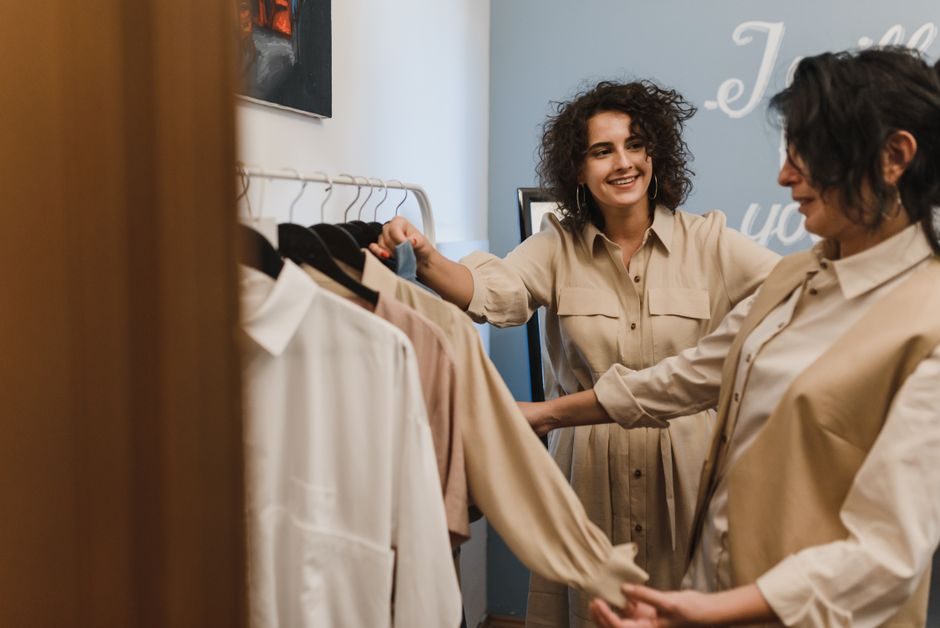
Template for a personal uniform
A personal uniform is a curated set of pieces you reach for with confidence. Start with a base of neutral shirts, trousers, and a single, signature jacket. The aim is consistency without monotony, so choose fabrics that hold color and shape well.
- Choose a versatile jacket that can bridge work and off-hours
- Limit the palette to 2-3 core colors
- Keep a small stock of accessories for variety
Introduce subtle variations through textures and accessories to keep looks fresh. A belt, watch, or scarf can be the same item reinvented for different days. Rotate footwear to switch the mood while keeping the core pieces intact.
Test the uniform for two weeks, then refine. If a piece never leaves the hanger, it isn’t a good fit for your routine. Replace underperformers with items that carry the same silhouette but better wear.
- Base on neutrals for easy mixing
- Add one signature piece to anchor the look
- Maintain a two-week wear test before finalizing
Frequently asked questions
What is the best way to start building a workwear capsule?Identify your most worn tasks, choose a neutral color base, and pick a durable blazer and a pair of trousers as anchors. Add two supportive tops and one pair of versatile shoes. Test the capsule for a week, noting gaps and comfort.
How do I choose sustainable fabrics without sacrificing feel?Look for blends that balance natural fibers with durable synthetics. Check for soft hand feel, breathability, and how the fabric drapes when you move. Favor brands that disclose fiber content and care guidance.
Can budget limits still support stylish workwear?Yes. Prioritize fit and tailoring, which elevate any outfit. Invest in a few well-made pieces rather than many cheap items, and rotate colors to stretch your wardrobe.
What maintenance helps garments last longer?Follow care labels, air items after wear, and store properly. Repair minor issues like loose threads or missing buttons promptly to prevent bigger damage.
Practical next steps for lasting style
Adopt a three-piece core for your weekly lineup—trousers, shirt, and blazer—then layer with one outer option and one accessory. This structure minimizes decision fatigue and keeps outfits cohesive.
Set a quarterly review: note what worked, what didn’t, and which items deserve a refresh. Use that insight to fine-tune your uniform and avoid overbuying while staying sharp.
Add Bed Design Ideas & Styles as a preferred source on Google


