
Practical fashion finance: a reader’s guide to Finans Blog nyheder
A clear, checklist-driven guide for fashion readers that explains how Finans Blog nyheder can inform wardrobe budgeting and trend choices, with practical steps.

How to use financial news in fashion sense? This guide shows practical steps to translate Finans Blog nyheder into wardrobe decisions, shopping plans, and trend timing. It emphasizes concrete actions you can take today rather than abstract ideas.
You’ll learn to scan headlines for price signals, budget-friendly trends, and seasonal shifts, then apply them to your closet. The aim is to help you spot what truly matters for styling, fit, and fabric choices without getting overwhelmed by numbers.
Expect a straightforward path: identify themes, set a budget, test ideas with small purchases, and document what works for your personal style. The checklist keeps you focused on outcomes you can measure in your daily outfits.
- This guide helps you turn Finans Blog nyheder into practical wardrobe decisions.
- You’ll learn to filter headlines, plan a budget, and shop smarter without sacrificing style.
- Each section provides concrete steps, examples, and a usable framework for daily dressing.
- Keep the habit of mapping finance signals to outfits to build a cohesive, budget-conscious closet.
Basics to align fashion with finance
Understanding trend signals
Look for recurring themes in finance news that hint at consumer demand, such as color trends and fabric costs. Translate these signals into practical wardrobe edits, like a neutral palette or versatile silhouettes. This helps you plan purchases that won’t feel dated next season. Finans Blog nyheder can shape budgeting habits and influence which items deserve space in your closet.
Recognize that not every buzz equals a good buy; prioritize items that pair with existing pieces and fill gaps in your wardrobe. Use a simple calendar to map when trends peak and when to hold fire. The goal is steady, wearable updates rather than quick shifts.
- Scan for recurring color and fabric mentions in headlines
- Ask whether new items replace multiple older pieces
- Set a 1-2 item limit per trend season
- Allocate a small trial budget before big purchases
- Evaluate wearability across at least two outfits
Reading headlines with purpose
Headlines often signal price movements or supply shifts that affect value. Look beyond the lure of a sale and assess long-term usefulness for your style plan. This practice saves you from impulsive buys that burn a hole in the budget.
Translate a headline into a concrete decision: is the item foundational, a seasonal accent, or a novelty you’ll regret in six months? Use this lens to rank potential purchases.
- Identify the product category most affected by the news
- Determine if the item is a staple or a trend piece
- Check your current closet for equivalents before buying
- Track how often similar items are worn over a month
- Create a quick justification note for future reference
How to plan a fashion budget

Set your monthly clothing cap
Begin by listing essential items you need and assign realistic monthly limits. A clear cap prevents overspending on trend pieces that have limited life. This discipline keeps your wardrobe coherent and affordable. Danmark begivenhedskalender offers a time-based lens that complements seasonal fashion planning.
Use plain language estimates for each category—basics, workwear, occasion wear—to avoid ambiguity. Revisit these numbers quarterly to reflect changing priorities and seasons.
This approach creates a dependable framework you can trust when new collections drop or sale periods arrive.
- Define essentials vs. want-to-haves
- Allocate fixed amounts to basics, then flexible for trends
- Review and adjust quarterly
- Keep receipts and notes to track accuracy
Track value over time
Track how each purchase holds up in monthly outfits. If an item loses versatility quickly, consider adjusting spending earlier. This habit reduces waste and keeps your closet aligned with real use.
Record wear frequency, outfit pairings, and maintenance needs to see what truly supports your style. Over time, data reveals patterns that guide smarter buys.
The practice delivers repeatable results: a leaner closet that still covers your needs without sacrificing creativity.
- Log wear counts for items
- Note maintenance costs and care time
- Identify which purchases replace multiple pieces
- Learn which fabrics wear best over seasons
Options for sustainable shopping
Choose reliable fabrics
Prioritize fabrics that wear well and resist pilling or shrinking. Natural fibers aren’t always best; blends often balance price and durability. This helps you keep a useful, long-lasting wardrobe. lokal virksomhedsguide i Danmark helps connect local events with wardrobe choices and shopping occasions.
Consider care needs—machine washability and drying requirements influence real-life wear.
Select items that can mix and match easily to extend edits across multiple outfits.
- Favor versatile fabrics over ultra-flashy textures
- Check care labels for practicality
- Mix and match options across looks
- Avoid over-specialized pieces
| Option | Pros | Cons |
|---|---|---|
| Basics-first approach | Strong wardrobe foundation | Requires discipline |
| Budget-cap method | Prevents overspending | May limit impulse buys |
| Value-tracking | Reveals what lasts | Needs consistent recording |
Shop smarter with timing
Align purchases with seasonal transitions to maximize wear. Buying ahead can reduce last-minute splurges, while waiting for core pieces can stabilize your closet. This strategy lowers waste and boosts daily use.
Use a simple calendar to plan ahead and avoid impulse buys during peak hype periods.
You gain steadier style and fewer regrets when you shop with intent rather than impulse.
- Plan ahead for new season buys
- Resist eye-catching but impractical pieces
- Leverage sales without overbuying
- Keep a list of must-haves and fill-ins
If something doesn’t suit your routine, it won’t be a good buy despite the buzz.
Pitfalls to avoid in finance-informed fashion
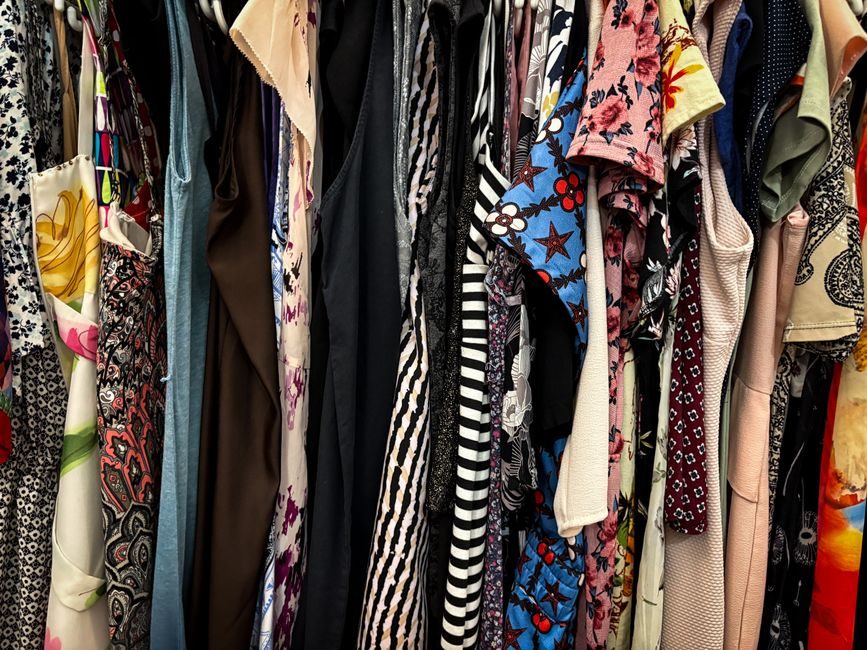
Misreading market signals
Finance headlines can mislead if you assume every trend will last. Treat signals as prompts rather than rules. This protects you from overreacting to short-lived hype. Danmark annoncer delivers useful context for price movements that affect sales and discount periods.
Cross-check with your wardrobe needs and climate. If something doesn’t suit your routine, it won’t be a good buy despite the buzz.
Being selective keeps your closet coherent and your budget intact.
- Ignore every hot trend if it doesn’t fit your life
- Test each item against existing pieces
- Avoid impulse buys during sales spikes
- Rely on your real needs, not media noise
Overloading the closet
A crowded wardrobe defeats the purpose. Aim for a lean edit that covers a range of occasions without duplicating function. This reduces decision fatigue and cleaning time.
Seasonal resets help you keep only what serves you, not what dazzles on a hanger.
Regularly prune items that haven’t earned a spot in your routine.
- Limit total items by category
- Establish a weekly closet audit
- Set aside items for charity or resale
- Keep a capsule approach for core outfits
Future fashion finance topics
Emerging trends in budgeting
This section looks ahead at how financial planning changes as trends shift. It covers flexible budgets that adapt to seasonal drops and rising prices for key fabrics. The goal is to help readers stay stylish without overspending when fashion cycles speed up. sørgeannonce i Danmark
- Buying on impulse when a trend looks hot → pause to compare needs
- Overcommitting to luxury pieces without a backup fund
- Ignoring return policies and seasonal sales cycles
Readers will learn to earmark funds for limited drops and to reallocate savings from months with lighter costs. The approach emphasizes practical control rather than fear of price spikes. Expect concrete steps that fit real wardrobes and real incomes.
Applying forecasting methods helps you anticipate costs before they hit your cart. Start by listing your staples and their typical price ranges. Then map these to monthly income so you know how much you can safely spend.
- Allocate a monthly fashion budget
- Track price trends for core pieces
- Forecast seasonal shopping with receipts
- Set aside a small contingency fund
Creative budgeting for style
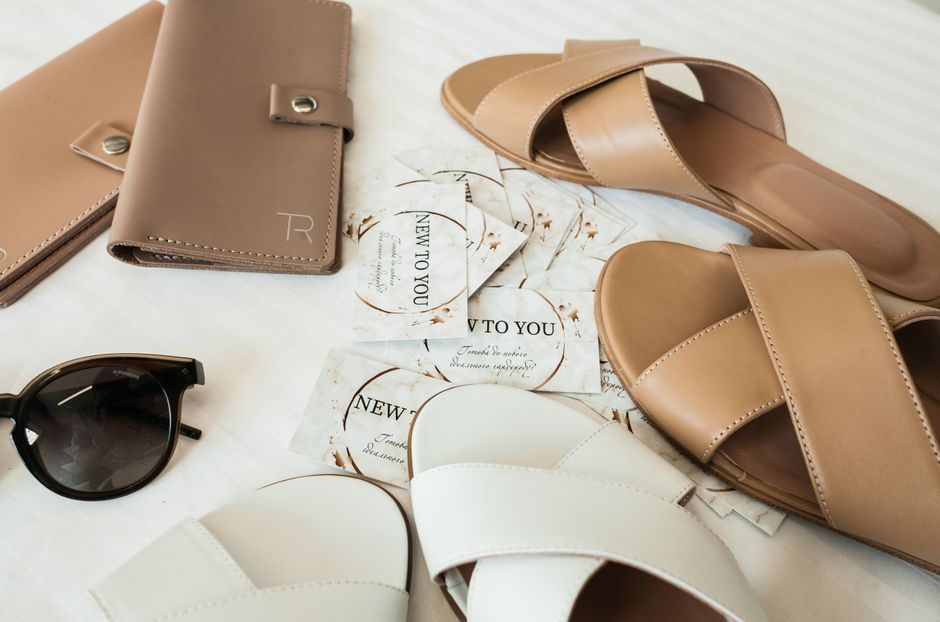
Smart envelopes for fashion
Envelope budgeting can tame impulses. Divide your fashion fund into categories like basics, trends, and accessories, each with a clear limit. This makes it easier to say no when a must-have exceeds that category’s cap.
- ☐ Set a monthly total for fashion
- ☐ Define categories and caps
- ☐ Review past purchases
- ☐ Adjust allocations after each season
The method forces a practical mindset: you only spend what you’ve allocated. It also creates a visible trail of purchases, helping you learn from what worked before.
Use a quarterly review to shift funds between categories if your wardrobe evolves or if a piece fails to deliver.
- Basics fund underpins long-term wear
- Trends fund controls novelty buys
- Accessories fund finishes outfits
- Review quarterly and adjust
Global trends and local impact
Local markets, global palettes
Global fashion shifts affect what lands in local shops. Understanding import costs, regional materials, and currency nuances helps you read prices more clearly. This awareness keeps you from overpaying when international drops arrive in stores.
Readers learn to compare similar items across retailers with an eye on the total cost of ownership. Long wear, repairability, and versatility often beat fleeting novelty in value.
A practical example is assessing a versatile coat that suits multiple climates, ensuring that the higher upfront cost pays off over several seasons.
- Compare similar items across contexts
- Factor durability into cost per wear
- Choose pieces that work across occasions
- Watch currency and shipping impacts
Reader questions and expert answers

Ask for practical tips
This sub-section answers common reader questions with concrete steps. It prioritizes real-world advice over theory, showing how to adapt guidance to tight budgets or busy schedules. The aim is to deliver usable actions readers can implement next week.
- Focus on gaps first
- Use alterations to refresh existing pieces
- Plan purchases around sales
- Test minimal-cost replacements
Answers include quick wins like redefining wardrobes, using alterations, and leveraging seasonal sales without sacrificing style.
Each answer ends with a clear next move you can try immediately.
- Identify a wardrobe gap
- Find a quick alteration option
- Plan around upcoming sales
- Test a low-cost replacement first
Frequently asked questions
How can Finans Blog nyheder be useful for a fashion reader?The blog covers market shifts, consumer trends, and practical budgeting that help you align your wardrobe with financial reality. Readers gain context for prices, promotions, and timing so they can shop with intent rather than impulse.
What’s a good rule of thumb for fashion budgeting?Start with a baseline amount you can comfortably spend each month and adjust after reviewing actual spend. Focus on essentials and versatile pieces that deliver more wear per dollar.
How should I approach sustainability within budgeting?Prioritize durable items, repair options, and timeless designs. Consider second-hand or upcycled pieces to stretch your budget while preserving style.
What common mistakes should I avoid?Avoid chasing every trend, over-purchasing during sales, and ignoring fit. Instead, assess needs, test pieces for versatility, and set limits for each category.
Conclusion and next steps
Takeaways: Start with a closet audit, set a realistic monthly budget, and plan purchases around versatility rather than novelty. This keeps style steady without sacrificing financial balance.
Next step: Draft a simple shopping calendar for the next three months that aligns with your calendar, upcoming events, and seasonal transitions. Use that calendar to guide every purchase, big or small.
Add Bed Design Ideas & Styles as a preferred source on Google


