
Plan your season: USA events calendar guides fashion calendars
A clear guide to using the USA events calendar for fashion planning, with practical steps, pitfalls to avoid, and ways to align events with your style calendar.

Readers wanting to keep fashion relevant through the year need a practical approach to event calendars. This guide shows how to use a USA events calendar to plan shoots, collections, and personal style updates without overloading your schedule. You’ll learn where to look, how to filter events, and ways to turn those dates into wardrobe ideas and storylines.
Next, we translate calendar insights into wardrobe choices. The aim is to turn listings into actionable steps—turning public events into fashion moments. Expect concrete tactics, from prioritising events to building a theme for a capsule collection.
Finally, we’ll outline a process you can reuse every season. The calendar becomes a tool, not a distraction, guiding purchases, casting, and mood boards with clear, repeatable steps. You’ll finish with a simple workflow that keeps fashion fresh and aligned with real-world events.
- Use a USA events calendar to plan fashion moments aligned with real-world events.
- Turn listings into mood boards and capsule outfits for each event.
- Balance large and small events to maximize impact without overcommitting.
- Watch for weather, venue, and deadlines to avoid wardrobe mishaps.
Basics of using event calendars
What to track in calendars
Start with dates, locations, and event type. Note recurring events and seasonal peaks to anticipate wardrobe needs. Track announcements from venues and organizers that signal fashion relevance. USA events calendar provides a centralized view of upcoming fashion dates.
- ☐ Scan the calendar weekly for new listings
- ☐ Flag 2-3 must-attend events
- ☐ Add color themes to each event date
- ☐ Prepare a simple capsule plan
For each entry, assign a level of importance: major fashion weeks, local pop-ups, and street-style moments matter more for styling plans.
A short box helps: see the box for quick, practical points on this H2.
- Mark wardrobe needs for each event
- Record transit and venue constraints
- Identify key attendees or influencers to watch
- Note weather and travel implications
Ways to extract value quickly
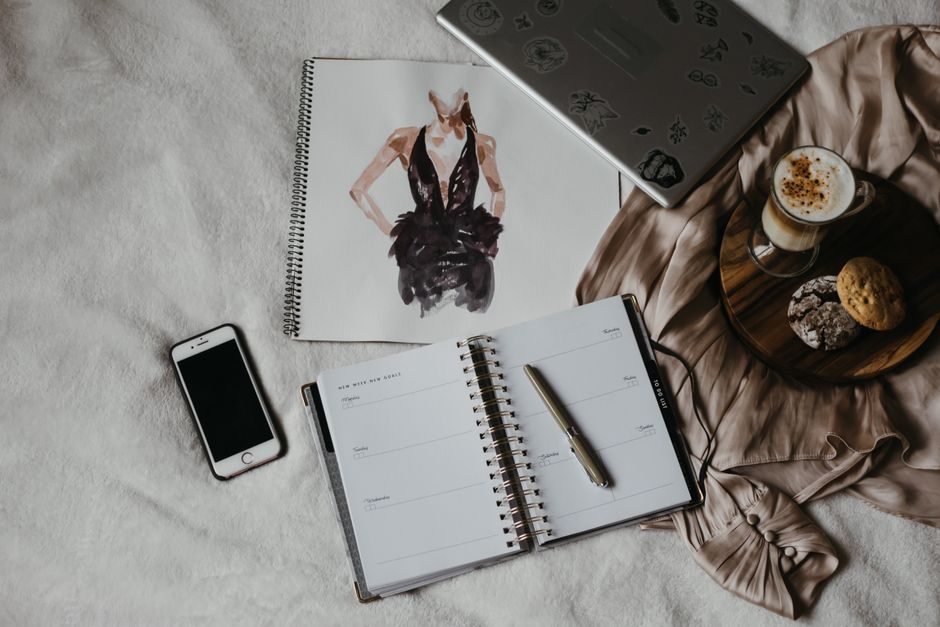
Turning listings into looks
Translate event details into a mood board. Pick color stories and silhouettes that match the event’s vibe. This saves time when you assemble outfits later. Daily News EN USA aggregates timely industry updates and can inform what to expect from venues.
Draft a mini story for each event: what trend, location, or mood will the wardrobe express? A clear narrative guides styling choices.
Use a one-page plan per event to keep decisions crisp and actionable.
- Create mood boards per event
- Match fabrics to season and venue
- Schedule outfit tests ahead of time
- Limit final looks to a small set
Options for different scales
Large-scale vs. intimate events
Large events demand bold silhouettes and coordinated looks across a team. Plan for multiple outfits, swaps, and accessories that read on camera and in person. business directory in the USA helps locate event venues and associated services for partnerships.
Smaller events reward meticulous styling and a strong personal touch. Focus on unique details, fabric texture, and a standout accessory.
Balance is key: map events to your strongest wardrobe anchors and avoid overcommitment.
- Reserve time for fittings
- Prioritise versatile pieces
- Plan backups for weather
- Coordinate with photographers or stylists
| Option | Pros | Cons |
|---|---|---|
| Large-scale events | Impactful, brand-worthy looks | Requires more planning and resources |
| Intimate events | Focused styling, faster execution | Less reach and visibility |
| Hybrid approach | Balanced effort and payoff | Needs tight scheduling |
Link your calendar to production calendars to avoid conflicts with shoots and deadlines.
Pitfalls to watch for

Common planning mistakes
Overloading schedules leads to rushed outfits. Stick to a few high-impact events per season to maintain quality. place an advert in the USA is a potential channel to reach audiences at relevant fashion events.
Ignoring location and weather creates awkward or mismatched looks. Always check venue specifics and climate.
Forgetting to log deadlines for fittings and returns causes delays. Build a calendar with clear milestones.
Link your calendar to production calendars to avoid conflicts with shoots and deadlines.
- Avoid cramming outfits
- Always check venue details
- Set reminder for fittings
Creative templates for monthly calendars
Standard grid formats for planners
Create a set of monthly templates that use a clean grid and clear color coding. Start with a blank calendar, then layer event blocks by type (shows, fittings, travel). This helps you quickly spot busy periods and plan edits without overloading the page. obituaries in the USA are sometimes discussed in the context of public events calendars to plan thoughtful coverage and timing for fashion pieces.
Use shared color palettes and consistent fonts so teams recognize at a glance what each color means. Include a legend on every page and a small notes area for last‑minute changes. This saves time during busy production windows.
Keep one ready‑to‑go template for each month, then adapt it with minimal edits when new events arise. Avoid clutter by limiting the number of events per day and collapsing long listings into bullets.
- Use color for events by department (design, PR, production)
- Reserve space for runway show notes
- Create a universal legend at the top
- Include a compact checklist for key dates
How to coordinate with teams

Aligning production calendars with design
Coordinate calendars by sharing a master file that everyone can access. Schedule a weekly check-in to reconcile conflicts between show dates, fittings, and travel. This avoids last‑minute scrambles and wasted hours reconciling schedules.
Assign ownership for each calendar section so responses are timely and clear. Use a shared status column to track progress on each item and capture decisions in one place.
Include contingency blocks for weather, venue changes, or fabric delays. By planning buffers, you reduce the chance of cascading delays across the season.
- Design owns look timelines
- PR owns event milestones
- Production handles fittings and travel
- Writers track content deadlines
Alternatives to traditional calendars
Digital tools and visual boards
If a traditional wall calendar feels limiting, switch to a visual board that shows flow from concept to final styling. Use sticky notes for flexible planning and move items as priorities shift. This approach keeps teams synchronized without rigid structures.
Adopt light project management features that fit fashion rhythms, such as drag‑and‑drop tasks and timeline views. Keep the board visually clean to avoid confusion during photo shoots and fittings.
Regularly archive finished items to keep the board focused on current work. A lean board helps new team members understand the season quickly and reduces miscommunication.
- Sticky notes for shifts
- Timeline view for milestones
- Regular archiving to stay current
A sample season workflow
From concept to curtain call
Map a typical season workflow from concept to curtain call. Start with inspiration weeks, move through design and fittings, then to shoots and show production. This end‑to‑end view helps teams see where gaps might appear and how to close them early.
- Identify key milestones for the season
- Link milestones with dependencies
- Review and adjust weekly
- Record decisions in the log
Assign milestones to each phase and connect them with a simple dependency chart. This makes it obvious when a delay in one area blocks another, so managers can reallocate resources swiftly.
Document decisions in a single, shared log so everyone can trace why a specific layout or schedule was chosen. Clear history reduces backtracking and misinterpretations.
- Inspiration → design → fittings
- Shoots and show production milestones
- Shared decision log
Frequently asked questions
How detailed should a season calendar be?Aim for a balance between overview and specificity. Include key dates, deadlines, and resource blockers, but avoid clutter. A focused calendar helps teams plan efficiently without losing sight of the bigger schedule.
What makes USA events calendar useful for fashion teams?It highlights when press days, shows, and travel will affect studio time, fittings, and production. By seeing these events in one place, teams can stagger workload and allocate space for shoots and fittings more calmly.
How often should the calendar be updated?Schedule a weekly check‑in to incorporate new events and adjust priorities. Keep the updates concise, and reallocate resources when new information arrives.
What if an event changes last minute?Have a quick change protocol: notify all owners, adjust dependent tasks, and reshare the updated calendar. A clear protocol minimizes disruption and keeps the team moving.
Next steps for a smoother season
Start with a single master calendar and a weekly review ritual. Invite design, production, and PR to own sections and maintain clarity across the board.
Prepare a lightweight archive process so decisions are easy to audit and onboard.
Add Bed Design Ideas & Styles as a preferred source on Google


