
How to read CTE News headlines for fashion readers: practical tips
A clear guide for fashion lovers: how CTE News headlines influence style trends, plus steps to use the info responsibly in outfits, captions, and posts.

If you want to understand how CTE News headlines affect what you wear and post, this guide shows you what to watch for and how to use it. You’ll learn a simple method to translate breaking headlines into practical fashion ideas, captions, and shopping notes. The aim is to make news feel relevant, not overwhelming, so you can stay confident in your style choices.
Begin with the basics: recognize the type of headline, the source tone, and the quick take on color, silhouette, or accessory shifts. Then, map those signals to outfit ideas, careful shopping, and honest captions that reflect your personal brand. This approach keeps fashion decision-making grounded in current events without overreacting.
Finally, you’ll set expectations for accuracy and timing: verify questionable claims, separate trend hype from durable details, and apply insights without forcing a look. The result is quicker outfit planning and sharper editorial notes for captions and posts.
- CTE News headlines can hint at what colors, silhouettes, or fabrics will trend. Look for the core idea, not the full claim.
- Translate headlines into one wearable look you can actually wear this week.
- Write captions that reflect the headline’s angle honestly and clearly, with practical context.
- Use headlines to sharpen your shopping list and your content planning, not to scare you into buying.
Basics to spot in CTE headlines
Headline types to watch
Start by distinguishing whether a headline is analytical, predictive, or opinion-based. Analytical pieces flag context, predictive items suggest future direction, and opinion aims to persuade. Recognize these differences so you don’t misread a trend as fact. CTE News headlines are the first clue about what the article suggests you wear or discuss.
Practical example helps: if a headline notes cropped coats trending, verify the trigger—seasonal retail drops or a stylistic shift—and then test how it suits your closet.
- Identify whether the headline is analytical, predictive, or opinion-based
- Note the context, seasonality, and source tone
- Check if the claim targets a specific color, silhouette, or fabric
How to translate headlines into looks

From news to outfit ideas
Translate a headline’s cue into a concrete outfit. If the story points to versatility, pair a core garment with two accessory options for different occasions. Keep silhouettes simple to avoid clashes with existing pieces. A useful resource on this topic: publish local events in the USA.
Use a real-world example: a headline about neutral layers can guide you to a monochrome outfit with varied textures for depth.
Pair neutral base with one statement piece
Test color contrast through accessories
Keep fabrics lightweight in transitional seasons
- Pair neutral base with one statement piece
- Test color contrast through accessories
- Keep fabrics lightweight in transitional seasons
Practical publishing steps
Captions that reflect headlines
Your caption should acknowledge the headline’s angle without overclaiming. State a take that reflects your look, then tag relevant sources or brands responsibly. This avoids misrepresentation and keeps your feed credible. Get your business listed in the USA by treating the headline as a cue for a professional post or collaboration.
Draft a caption by starting with the core outfit idea, then add one factual note about why the look works now. Close with a light, branded tease that invites comments.
| Method | Pros | Cons |
|---|---|---|
| Captions with context | Adds credibility; clear take | May slow posting pace |
| Outfit-focused posts | Shows practicality; relatable | Could miss nuance of the headline |
| Quote-free summaries | Keeps tone calm; less hype | Less punch for engagement |
Cross-check with social media chatter and editorials to see if the headline reflects broader conversations.
Exploring different channels

Choosing primary sources for trends
Start with core fashion outlets and verify headlines against multiple sources to avoid echoes of a single outlet’s bias. Look for headlines that reference seasonal cues, fabric experimentation, or runway show notes to gauge relevance. Use this to guide what to translate into styling ideas rather than chasing every novelty. Sell second-hand items in the USA with captions that reflect the headline’s angle without overclaiming.
- Scan 2-3 headlines from different channels to compare tone
- Identify the three facts each headline implies
- Decide which channel best supports your piece's angle
Cross-check with social media chatter and editorials to see if the headline reflects broader conversations. If a claim remains vague after two independent reads, treat it as rumor rather than fashion truth. This saves readers from chasing unsustainable hype.
Consider how a channel frames a topic: glossy fashion magazines may emphasize glamour, while trade publications stress production constraints. For a reader, recognizing the frame helps decide whether a headline suits a story angle or a practical tutorial.
- Prioritize headlines that reference concrete trends or materials
- Ignore sensational phrasing that lacks data
- Note which outlets consistently align with your aesthetic
Citing credible sources
Sourcing transparency in headlines
Credible headlines often hint at the origin of a claim, whether it’s a designer interview, a runway note, or a research brief. When translating these into fashion advice, rely on those concrete origins to build trust with readers. Avoid extrapolating beyond what’s stated. post a funeral announcement in the USA is something readers may encounter as a real-world event that headlines could reference; consider how such news might influence fashion coverage or event dressing in sensitive contexts.
- List the source type for each headline used
- Record the publication date for context
- Note any potential biases or gaps
Cross-reference any statistics or claims with reputable outlets to prevent spreading unsupported numbers. If a claim can’t be traced to a primary source, frame it as a trend observation rather than a rule. This keeps fashion guidance accurate.
Examine the language used: precise nouns over vague adjectives suggest a grounded headline. Readers respond to specificity, such as fabric type, season, or silhouette, which you can translate into specific styling tips.
- Trace claims to a primary source
- Avoid overgeneralization
- Use specific terms in your own writing
Balancing hype and honesty
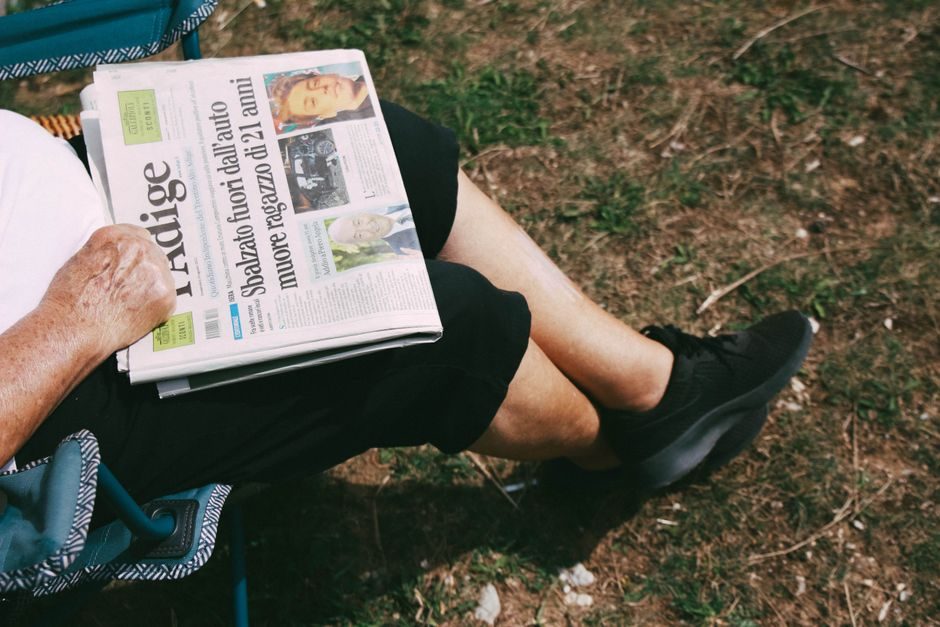
Temper hype with practical framing
Hype in headlines should be tempered by practical guidance in your piece. If a headline promises a quick trend, follow with a realistic assessment of wearability, cost, and cohesion with existing wardrobes. The goal is useful information, not fear of missing out.
Provide concrete styling alternatives rather than abstract appeals to novelty. Compare a bold print with a neutral base to show how a trend can fit into daily wear. This helps readers translate headlines into functional outfits.
Keep tone steady and confident, avoiding sensational descriptors. Readers trust a voice that explains the why behind a trend, not just the claim itself.
- Offer practical comparisons
- Explain wearability and cost
- Maintain a calm, clear tone
Seasonal timing and trends
Read headlines against the calendar
Seasonal relevance matters more than novelty alone. Align headlines with the fashion calendar—resort, fall/wall, spring—so readers know when a trend might enter their wardrobe rotation. This helps editors decide when to publish and what visuals to pair.
Use a timeline approach: show how a headline’s idea grows from runway to street to shop floor, clarifying when readers can realistically adopt it. A clear path reduces confusion and builds trust.
Discuss practical implications like layering, fabrics, and color palettes that fit a season. This converts a headline into actionable styling steps rather than abstract novelty.
- Map headlines to the fashion calendar
- Illustrate a trend’s lifecycle
- Offer season-appropriate styling advice
Frequently asked questions
How should I assess a headline's reliability?Look for explicit sourcing, such as designer statements or runway notes, and check whether the claim can be corroborated by at least one other reputable outlet. If context is missing, treat the headline as a prompt rather than a fact. This approach keeps fashion guidance grounded and useful.
What if a headline promotes an untested trend?Treat it as a trend observation rather than a universal rule. Add practical checks on wearability, cost, and wardrobe fit. Offer readers a couple of realistic styling routes that don’t require a full wardrobe overhaul.
How can I translate a headline into outfits quickly?Create three templates: a base look, a statement piece, and a complementary accessory. This keeps styling flexible and actionable, while staying true to the headline’s spirit.
When is a headline too vague to use?If essential details like season, fabric, or silhouette are missing, pause and request more clarity. Provide general guidance about trend direction, then wait for more complete information before committing to a full piece.
Conclusion
Takeaways from reading CTE News headlines: validate sources, balance hype with practicality, and map ideas to real wardrobes. Start by confirming origin and credibility, then translate headlines into seasonally appropriate outfits. This approach keeps coverage honest and useful.
Next steps: pick one headline to develop into two outfit templates and note a reasonable adoption window for readers. This turns headline analysis into actionable guidance readers can apply this week.
Add Bed Design Ideas & Styles as a preferred source on Google


