
How to advertise your event: a fashion-focused guide
Clear, practical steps to advertise your event, tailored for fashion readers. Learn where, how, and what to avoid to reach the right crowd with style.

Promoting an event doesn’t have to feel daunting. This guide lays out practical steps you can take to reach the right audience without wasting resources, with a fashion-forward mindset. You’ll learn where to place notices, how to craft a message that fits a style audience, and what to watch for to avoid common misfires.
Think first about your event’s vibe and the people you want to attract. Then choose channels that align with fashion sensibilities—visuals that pop, concise copy, and a clear call to action. The goal is to make your event feel like a natural extension of a stylish lifestyle and a smart choice for readers.
Finally, prepare a simple checklist that keeps your plan on track from save-the-date to post-event recap. Use tone and visuals that feel editorial rather than generic marketing. The result should be a seamless, on-brand invitation that readers actually want to attend.
- Promote with clear intent and a strong, on-brand message tailored to fashion readers.
- Choose channels that match fashion sensibilities and test one or two options before expanding.
- Keep visuals editorial, copy concise, and the invitation easy to act on, with a simple RSVP path.
- Use partnerships wisely, align with local fashion networks, and monitor response to refine future events.
Basics of promotion
Identify your audience
Start by defining who you want at the event. Consider age, interests, and occasions that would draw a style-conscious crowd. You should know what this audience values—experimentation, exclusivity, or community—and tailor your message accordingly. advertise your event in Dudley
In practice, map features of your event to reader motivations. A runway-inspired party benefits from bold visuals and a quick, chic flyer. A workshop on styling or sustainability needs informative, credible copy and accessible timings.
A clear audience focus prevents wasted invites and helps you pick the best channels rather than scattering messages across every platform.
Choose the right channels
Different venues demand different promotion. Local fashion groups, community boards, and lifestyle newsletters often reach readers who care about style and events. Avoid general audience hubs if they don’t align with fashion sensibilities.
Visuals matter as much as text. Use clean, editorial-style images and short captions that mirror magazine layouts. Consistency across channels builds recognition and trust.
Test one strong channel first, then add others if engagement looks promising.
- Local listings
- Email newsletters
- Social feeds
- Event calendars
How to craft the invite
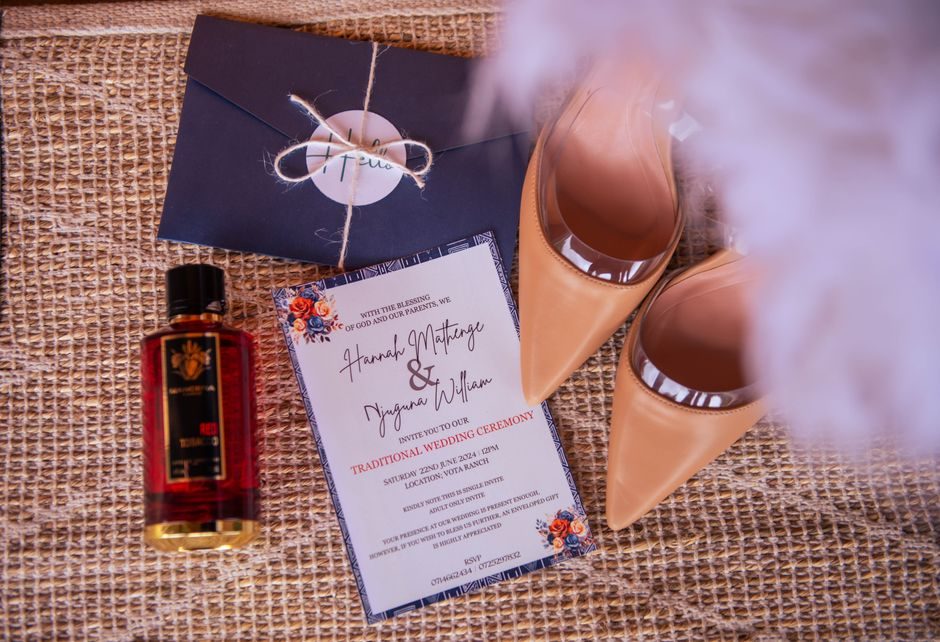
Write a concise invite
Lead with the event’s core benefit in one sentence. Follow with a brief date, time, and venue, then a single, clear call to action. Readers should grasp the gist in under 15 seconds. Dudley 24 latest news
- Define the core benefit
- Add key details (date, time, place)
- Close with a strong CTA
- Provide RSVP method
Use an editorial voice that fits the site’s style. Short, polished copy with a fashion-forward tone makes the event feel relevant and exclusive.
Always include accessibility details and RSVP steps to avoid friction and confusion.
Visuals that sell
Select images and layouts that echo magazine aesthetics rather than club flyers. Bold typography, a restrained color palette, and a clean grid improve readability and perceived value.
Ensure photos reflect the event vibe—studio shots for workshops, street-style imagery for pop-up fashion events.
Test how visuals render on mobile screens to protect legibility and impact.
- Editorial grid
- Strong headline
- High-contrast callouts
Options for reach
Paid vs earned promotion
Paid promotion offers reach with predictable placement, but it requires careful budgeting and audience targeting. Earned visibility relies on partnerships, PR, and community buzz, which can feel more authentic to readers. Dudley business listings
Balance these approaches by allocating a modest budget to a few well-chosen placements while courting fashion-minded outlets for organic coverage.
Track responses to see which channel yields the best engagement for future events.
- Sponsored posts
- Newsletter mentions
- Influencer mentions
- Local media picks
| Option | Reach | Effort |
|---|---|---|
| Paid promotion | Broad but controllable | Moderate to high |
| Earned coverage | Authentic feel | Low-to-moderate |
| Partnerships | Local credibility | Variable effort |
Partnerships that fit
Collaborate with local boutiques, studios, or fashion schools that attract readers who care about style. Joint promotions amplify reach and lend credibility.
Offer value for partners, such as cross-promotion in exchange for event perks or exclusive guest passes.
Clear expectations and a shared editorial line help partnerships feel natural and authentic.
- Shop collaborations
- Studio co-hosts
- School partnerships
Prioritize one visual story and a single, memorable event detail to guide reader attention.
Pitfalls to avoid
Overloading the invite
Too much information distracts from the core message. A cluttered invite reduces click-throughs and RSVP rates. Stick to essential details and a strong call to action. local job listings in Dudley
Prioritize one visual story and a single, memorable event detail to guide reader attention.
When in doubt, remove items that don’t move the reader toward an action.
Timing and follow-up
Promoting too early or too late undermines results. Align reminders with audience rhythms, such as the workweek and fashion event calendars.
Follow up with a brief post about what attendees can expect, including any last-minute changes.
Maintain a polite, brief cadence to avoid fatigue.
- Early pre-announce
- Mid-promo reminder
- Final reminder before event
Event timing and branding
Timing and visual identity
Set a time that aligns with fashion calendars, like weekends or evenings when shoppers are free. Provide a clear start and end so guests plan ahead and venues can maximize attendance. Establish a simple color story and logo placement to reinforce branding across all materials. announce a death in Dudley
- Define the event’s mood in three words (e.g., sleek, bold, approachable).
- List two core visuals that will appear on all invites and signage.
- Describe the attendee experience in one sentence.
A cohesive vibe helps guests feel confident in attending and sharing. Use consistent fonts, color cues, and photography style in invitations, posters, and social banners. This unity signals professionalism and makes the event feel premium.
Consistency across all touchpoints reduces confusion and increases word-of-mouth referrals. If people see familiar branding, they are more likely to remember the event and check in on social feeds. Plan branding updates in a single shared file to avoid mixed signals.
- Choose a nearby weekend
- Lock a start time that fits fashion crowds
- Maintain a shared color palette
- Use consistent imagery if possible
Photo-ready scheduling
Publish the schedule in advance with a clear agenda that highlights key moments like talks, showcases, or after-parties. Share an abbreviated version on social and a full version with RSVP details on your site. People appreciate knowing when to arrive and what they’ll see.
Events that feel rushed lose attention; give guests a reason to stay with curated moments. Allocate small windows for runway moments, Q&As, and networking. This pacing helps you manage crowd flow and media coverage.
A well-timed program supports on-brand storytelling. Timed beats, like a first look or a closing mood shot, become clickable content for followers. Build anticipation with a teaser plan that matches your branding.
- Publish a concise agenda
- Offer RSVPed time slots
- Create runway and networking balance
- Share teaser content beforehand
Channel-by-channel plan
Owned media basics
Leverage your own channels first: website, email lists, and storefronts or pop-ups. Craft a tight message that mirrors your fashion voice and includes essential details like date, venue, and RSVP. This owned space is your control panel for tone and timing.
- ☐ Update event page with key details
- ☐ Send a pre-event email reminder
- ☐ Post a teaser on social every few days
- ☐ Provide easy RSVP or ticket links
Coordinate a content drip that builds anticipation without oversharing. Use a countdown, behind-the-scenes looks, and designer notes to deepen interest. Track engagement to adjust what you post next.
Keep your event pages optimized for mobile and social sharing. Clear calls to action, accessible registration, and visually legible typography make it easy to convert interest into attendance. Design for thumb-scrolling behavior and quick decisions.
- Update website with event page
- Build an email sequence
- Prepare shareable social assets
- Test mobile experience
Use social networks to reach fashion-interested audiences where they linger—Instagram, TikTok, and Pinterest. Create short clips that show outfits, venue vibes, and model moments. Target posts around fashion weeks, seasonal launches, or local collaborations to maximize relevance.
Engage with partners and influencers who align with your aesthetic. A friend-of-a-friend promotion or a micro-influencer post can feel more authentic than a paid blast. Set clear expectations and deliverables to keep the look cohesive.
Complement paid ads with organic posts that tell a story. Behind-the-scenes reels, styling tips, and attendee spotlights make the event seem approachable and stylish.
- Post behind-the-scenes clips
- Collaborate with local creators
- Balance organic and paid content
- Maintain a consistent feed aesthetic
Measurement and iteration
What to track
Define success in measurable terms, then monitor impressions, saves, and registrations rather than vanity counts. Use real-time dashboards to spot drops in signups and adjust messaging mid-campaign. This keeps you focused on outcomes rather than guesswork.
Record the sources that drive most engagement—email, social, or in-store signups—so you know where to invest next time. Build a simple attribution model and reassess after each event cycle.
After the event, collect qualitative feedback through a quick form or short interview. Use insights to refine target audiences, timing, and content for future fashion or brand events.
- Track registrations by source
- Monitor engagement in real time
- Use feedback for iteration
Iterate quickly by testing small changes in messaging, imagery, and posting times. A/B tests on email subject lines or social captions can reveal what resonates with fashion-focused audiences. Avoid overhauling the concept; tweak one element at a time for clarity.
Keep a clear calendar of tests and outcomes so you can reproduce wins. Document lessons and share them with your team to maintain consistency. This habit makes future promotions faster and more coherent.
Respect cadence: fashion readers respond to rhythm and authenticity. If a tactic feels forced or generic, pause and reframe to a more personal, style-forward approach.
- Run small A/B tests
- Record outcomes and learn
- Maintain a steady cadence
Legal and accessibility
Permissions and rights
Secure venue permissions, performance rights, and any third-party use of images or music well in advance. Having written agreements prevents last-minute surprises that disrupt the event. Keep a simple contact list and a single point of contact for licenses.
Document deadlines for artwork approvals and venue policies. This helps teams stay aligned on deadlines and reduces the risk of last-minute changes that disrupt production. Clear guidelines also protect your brand’s integrity.
Store all consent forms and licenses in a shared folder accessible to the team. This makes audits smoother and ensures you can respond quickly if questions arise after the event.
- Obtain venue and performer permissions
- Keep a single point of contact
- Organize digital copies of licenses
- Respect brand usage rights
Make accessibility a design constant: use high-contrast text, alt text for images, and r readable font sizes. Provide wheelchair-accessible routes and seating, and offer live-captioning or signing if needed. Accessibility isn’t a afterthought; it’s part of a well-run event.
Ensure clear signposting at the venue with maps and staff to guide guests. This reduces confusion and keeps lines moving smoothly. A thoughtful layout improves the overall experience for guests and media alike.
Check local rules on signage, waivers, and child attendance. Understanding these basics prevents delays and ensures your event runs without tension.
- Provide alt text for images
- Offer accessible seating and sign language support
- Create clear venue signage
- Know local compliance rules
Frequently asked questions
How early should I announce an event to fashion followers?Publish a save-the-date several weeks in advance, then ramp up with a formal invitation as production solidifies. The goal is to give guests time to plan while keeping the event fresh in their minds. Consistent reminders help maintain momentum without feeling pushy.
What’s the best way to invite local fashion press?Provide a concise press kit with key details: date, venue, dress code, and standout moments. Include high-quality images and a link to your event page. Personal outreach that emphasizes relevance to their audience improves response rates.
How can I make the event accessible without slowing down planning?Choose a venue with clear accessibility options and provide alternative formats for materials. Offer live captioning if possible and ensure sidewalks, entrances, and seating are navigable. Accessibility should be integrated into the planning from the start.
Is it better to focus on one channel or multiple?A focused channel where your audience is most active is more effective than a scattershot approach. Start with owned media to control messaging, then selectively add social amplification and local partnerships. Consistency matters more than breadth.
Conclusion
Takeaway on timing, channels, and experience: clear, well-timed promotions that reflect a fashion-forward voice convert interest into attendance. The key is consistent visuals and a tight value proposition across every touchpoint.
Next-step: draft a one-page brief for your next event, then map two weeks of posts and two outreach emails to align teams and streamline approvals.
Add Bed Design Ideas & Styles as a preferred source on Google


