
How a business directory in Birmingham informs fashion decisions
A practical guide for fashion readers: see how local directories influence sourcing, events, and selling pre-loved pieces in Birmingham. Clear steps, real examp

A business directory in Birmingham isn’t just a list of contacts; it’s a tool for smarter fashion sourcing and event planning. Readers can use it to discover local manufacturers, pop-up spaces, and showrooms that match their style ethos. This article translates that idea into actionable steps for designers, buyers, and fashion-forward shoppers.
Directories help connect you with suppliers, venues, and services you might otherwise miss. By thinking of a city’s directory as a map, you can shorten the path from concept to capsule collection or to a well-curated closet sale. We’ll show practical ways to use Birmingham’s local listings without getting overwhelmed.
From basics to practical choices, this guide keeps the focus on real-world use. You’ll learn what to look for, how to reach out, and what pitfalls to avoid, all while keeping fashion goals front and center. The aim is to make local resources feel like a wardrobe extension rather than a time sink.
- A Birmingham business directory can guide fashion buyers and designers to local sources, venues, and events.
- Focus on entries with clear details, real photos, and accessible contacts to save time.
- Use swatches and sample checks to ensure fabric and finishes meet your design standards.
- Plan events and selling opportunities with local partners to boost visibility and sustainability.
Basics of reading local directories
What to look for in listings
Start with relevance and recency; prioritize entries that describe products, services, or events you can actually use. Look for clear contact details, hours, and whether the listing is updated. Real-world examples include showrooms with photos, or event calendars tied to season launches. business directory in Birmingham
- Open the Birmingham directory and locate sections for suppliers, venues, and events
- Open each listing to confirm product/service details and contact info
- Mark at least three entries that align with your current project
- Reach out with a concise inquiry and track responses
This isn’t about paging through every result; it’s about building a short list of dependable sources. Filter by your needs—fabric suppliers near the city center, or pop-up venues with flexible dates. A lean set of verified entries saves time and reduces the risk of dead ends.
Avoid listings that lack contact information or have vague descriptions. If a source seems outdated or inconsistent, move on and note why it mattered to your search. A focused directory yields faster decisions and fewer detours.
- Filter by product type
- Check freshness of the listing
- Note contact reliability
- Prioritize venues with photos
How local sources shape style choices

From source to look
Local suppliers influence fabric, texture, and color choices closer to your design deadline. Seeing fabrics in person allows better judgment on drape and weight, which online images can’t fully convey. This is especially true for limited runs or hand finishes. A useful resource on this topic: Birmingham Daily news.
Design decisions gain texture when you know where pieces come from and who makes them. A Birmingham-based studio or fabric mill can suggest seasonal palettes inspired by local light and street style. The tangible connection often translates into more cohesive collections.
If a supplier offers color cards or swatches, request them before committing. Physical samples reduce the risk of mismatched tones in final garments. The result is a more authentic, locally grounded collection.
- Request swatches
- Compare fabric weights
- Note color consistency
- Ask lead times
Options for events and spaces
Choosing venues for showcases
A Birmingham venue can tailor an event to your collection’s vibe, from streetwear pop-ups to refined runway-style presentations. Consider audience reach, accessibility, and back-of-house needs like lighting and loading zones. The right space elevates the story your garments tell. A useful resource on this topic: advertise your event in Birmingham.
coordinate with the venue about branding, seating, and timing to align with your collection narrative. Partnerships with local communities can broaden impact and attendance. An informed choice often reduces last-minute stress and costs.
Always tour the space or request a short virtual walkthrough to assess flow and logistics. A well-chosen venue can become part of the collection’s personality, not just a place to display it.
- Assess access and facilities
- Align brand story with space
- Plan practical logistics
- Preview the space in advance
| Option | Pros | Cons |
|---|---|---|
| Venue-focused showcase | High impact, strong branding | Higher costs and tighter timelines |
| Pop-up collaboration | Flexible formats, community appeal | Requires co-marketing and shared control |
| Runway-style event | Distinct presentation | Logistics-intensive and costly |
Relying on online-only listings without in-person verification invites surprises in fabric weight, color, or finish.
Pitfalls to avoid in local fashion sourcing

Common missteps
Overreliance on a single supplier can create risk if delays occur or quality shifts. Always have a backup source and clear up expectations about lead times and returns. Diversifying your Birmingham connections reduces disruption. A useful resource on this topic: sell second-hand items in Birmingham.
- List three potential suppliers
- Request samples from each
- Compare samples and terms
- Finalize contracts with clear timelines
Relying on online-only listings without in-person verification invites surprises in fabric weight, color, or finish. When possible, inspect samples and ask for references from other designers. This built-in due diligence saves headaches later.
Beware vague pricing or ambiguous terms; get written quotes and confirmation of duties, taxes, and shipping. Clear documentation keeps projects on track and protects your margins.
- diversify suppliers
- verify samples
- request written quotes
- confirm terms
Visual mapping of Birmingham resources
Mapping local fashion hubs
Begin with a map of where suppliers, studios, and boutiques cluster in Birmingham. This helps you spot synergy between venues and schedules when planning shoots or pop-ups. A simple directory pull can save days of back-and-forth coordination. A useful resource on this topic: online obituaries in Birmingham.
Look for mixed-use districts where studios share space with showrooms and cafes. You’ll often find faster turnarounds when you can walk between partners for fittings, lending, or last-minute alterations.
Keep a running list of nearby coffee shops or co-working spaces that host informal trunk shows or meetups. These spots can become quick touchpoints for sourcing ideas and meeting collaborators.
- Identify clusters by neighborhood
- Note transport connections for vendors
- Track event calendars for local venues
- Record contact points for quick outreach
- Capture nearby services like dry cleaning and packaging
Sourcing ethics and sustainability
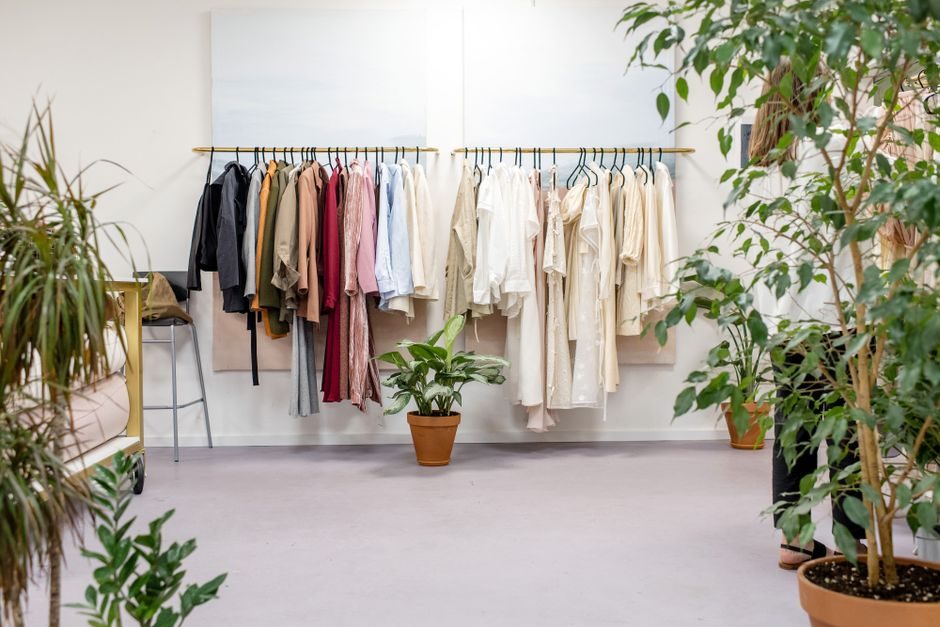
Ethical sourcing fundamentals
Sourcing ethics start with transparency about where materials come from and who works to produce them. When you verify suppliers’ practices, you reduce risk and build trust with clients who care about responsible fashion.
- ☐ Know origin and process of materials.
- ☐ Check labor practices and fair wages.
- ☐ Prioritize long-lasting design and repairability.
Ask for simple documentation like supplier codes of conduct and traceability records. This helps you choose partners who meet basic human-rights and environmental standards.
Balance the cost of ethical options with the value they bring to a collection. Your readers will respond to clear, responsible stories even if margins tighten slightly.
- Demand supplier transparency
- Favor local or craft-minded producers
- Prefer renewables or recycled materials
- Document provenance for storytelling
- Avoid vanity certifications without confirmed standards
Event planning with local partners
Collaborative event setup
Plan events with a clear theme and a practical timeline. Start with a runway or styling session, then schedule fittings, and finish with a meet-and-greet that encourages direct feedback from attendees.
Choose a venue that suits your brand pace—intimate spaces suit previews; larger halls work for capsule launches. Have a fallback plan for weather or technical hiccups.
Coordinate with partners on logistics like lighting and sound so the guests experience fashion, not friction. A well-timed event strengthens relationships with local shops and talents.
- Set a realistic schedule
- Test run tech and lighting
- Assign roles and backups
- Draft a simple guest flow
- Confirm transportation for participants
Maximizing resale and upcycling opportunities
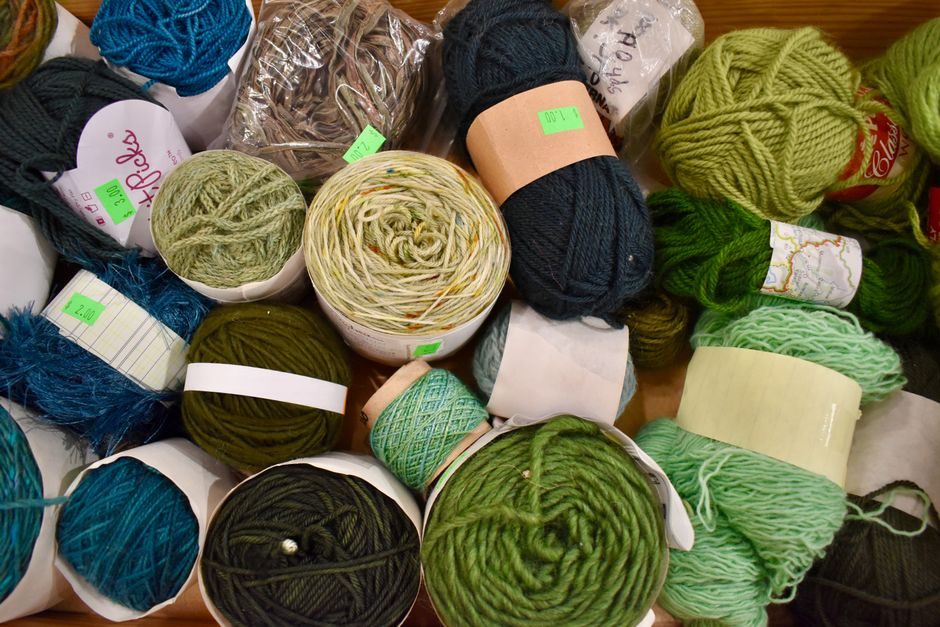
Creative resale and upcycling
Look for local textile neighbors and repair boutiques that can extend the life of garments through repairs, alterations, or restyling. These partners can become part of a story about sustainable style.
- Identify local repair partners and the services they offer.
- Document care guidance for customers.
- Stage refreshed pieces to inspire buyers.
Offer customers guidance on care to prolong item life, like proper cleaning methods and storage tips. A little information goes a long way toward preserving resale value.
Set up a small showroom corner that features worn-in pieces refreshed with minor updates. This demonstrates practical style evolution and helps shift passive buyers into active collectors.
- Partner with repair specialists
- Provide care instructions
- Showcase refreshed pieces
- Highlight material stories
- Create a resale call-to-action
Frequently asked questions
How can a local directory speed up fashion planning?A directory centralizes contacts, spaces, and service capabilities in one place. By quickly comparing options, you reduce scouting time, confirm ethics, and line up collaborators for shoots, pop-ups, or fittings without chasing many separate emails.
What should I verify about a supplier’s ethics?Ask for transparent sourcing details, worker conditions, and any reclaimed materials used. If possible, request references or samples and check that practices align with your brand values before committing.
How often should you refresh directory entries?Revisit listings quarterly to confirm they remain active and relevant. Update contact details, pricing when applicable, and any new services or constraints that affect planning.
Is it okay to mix local and larger suppliers?Yes, as long as you balance scale with agility. Local partners often provide faster response and storytelling relevance, while larger suppliers can offer broader catalogs and consistency.
Final takeaways and next steps
Keep the Birmingham directory as a living tool for planning, sourcing, and events. Treat it as a partner map that guides daily decisions and longer campaigns.
Assign owners for each entry, set review dates, and use a simple template to capture outcomes from collaborations. This keeps your fashion program coherent and responsive to local talent and venues.
Add Bed Design Ideas & Styles as a preferred source on Google


