
Growing a Solar Panel System for Fashion-Forward Homes
A practical, fashion-minded explainer on expanding a solar panel setup, with clear steps, options, and pitfalls for stylish, energy-conscious living.

Curious how to scale a solar setup without breaking your aesthetic? This explainer breaks down the basics, explains why expanding a system makes sense for energy-conscious homes, and shows practical steps. You’ll learn what to consider before adding panels, how it affects energy use, and the simplest paths to upgrade with style in mind.
First, expanding a solar system isn’t just a technical choice; it’s a lifestyle one. If you already have a roof installation, the next steps involve assessing space, wiring, and inverters, then weighing options that fit your design sensibilities. The goal is reliable power with minimal visual disruption and maximum efficiency.
From there, you’ll see how fashion-minded homeowners plan for seasonal demand, align with local policies, and choose equipment that complements rather than compromises. The focus stays on clear actions, concrete examples, and a steady pace toward a scalable, stylish energy setup.
- Expanding a solar setup starts with space and capacity checks, then choosing components that fit your home design. The plan should balance energy goals with visual appeal.
- Expect improved energy independence while preserving style; modular systems ease future upgrades and minimize clutter.
- Storage, if desired, should align with daily rhythms and aesthetic preferences, keeping cables hidden and mounts clean.
- Upgrading choices range from professional retrofits to DIY paths, with financing and incentives shaping the final plan.
- Basics of scaling a solar system
- How expansion affects energy use
- Options for upgrading
- Maintaining aesthetics with hardware choices
- Integrating with home energy systems
- Local codes and safety considerations
- Smart monitoring and fashion-friendly usage
- Frequently asked questions
- Next steps for stylish energy growth
Basics of scaling a solar system
Assessing space and capacity
Start by surveying available roof area or ground space for additional panels. Calculate potential output based on orientation and shading, then compare it to your current consumption. This helps you decide how many panels you need and what size system fits your home. Aydın mevcut güneş paneli sistemini büyütme
Consider your daily energy patterns to avoid overdesigning; most homes don’t require a huge jump if you use efficient appliances.
If you’re unsure, consult a licensed installer for a precise capacity estimate and safe mounting options.
- Measure roof area
- Estimate sun exposure
- Compare current vs. target usage
Choosing the right components
Selecting the right modules, inverters, and mounting hardware determines both performance and look. Monocrystalline panels yield higher efficiency, while microinverters can ease rooftop wiring. Your choice affects how cleanly the system blends with your home’s architecture.
Plan for potential expansions; modular systems make future reconfigurations straightforward.
Ask about warranties and service coverage to keep maintenance simple and predictable.
- Panels and inverters that match your size
- Modular setup allows growth
- Warranty coverage considered
How expansion affects energy use
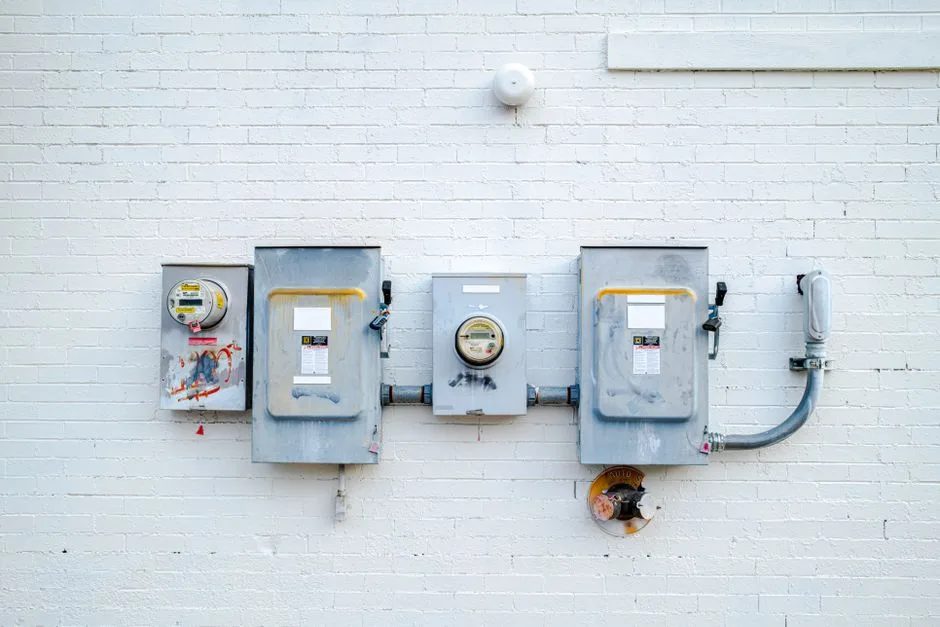
Impact on bills and footprint
A larger system reduces grid reliance, but payback depends on consumption and local rates. Track daily usage against generation to see when the system earns its keep. The goal is a steadier, cleaner energy flow rather than chasing peak production.
If you’re aiming for a fashion-forward home, balance the look of cables and equipment with discreet routing and clean mounting.
Review maintenance needs; cleaner energy systems often require less frequent servicing.
- Monitor daily generation
- Align with energy prices
- Keep the installation tidy
Storage and backup planning
Battery storage extends that clean energy into evening hours and outages. Store enough to cover essential loads, then phase in smarter energy management to trim waste. The setup should complement your home’s rhythm, not complicate it.
Consider whether a single, larger storage unit or multiple smaller ones fits your space and budget.
Plan for future tech, including smarter charging and demand response features.
- Size storage to usage
- Think about charging times
- Future-proof with smart controls
Options for upgrading
Professional retrofit versus DIY paths
A professional retrofit ensures code compliance, proper wiring, and weatherproofing. It minimizes risk and delivers predictable performance. For stylish homes, installers can integrate equipment with minimal visible hardware.
DIY upgrades appeal to hands-on homeowners, but require careful planning and safety awareness. You’ll need accurate measurements and a solid grounding in electrical basics.
Weigh comfort with risk when planning an upgrade; a pro install often saves time and ensures reliability.
- Professional retrofit
- DIY upgrade
- Safety and compliance
| Option | Pros | Cons |
|---|---|---|
| Professional retrofit | Code compliance and reliability | Higher upfront cost |
| DIY upgrade | Lower cost up front | Higher risk and time commitment |
| Modular system | Easier future expansion | May require more planning |
Financing and incentives
Financing options vary widely; compare loan terms with energy savings to determine true affordability. Look for payment plans that align with your budget and energy goals. The aim is a transparent, manageable path to a more self-sufficient home.
Incentives can soften upfront costs, but rules shift; confirm eligibility and timelines before purchasing.
Discuss maintenance costs with your installer to avoid surprises later on.
- Compare financing offers
- Check eligibility for incentives
- Estimate long-term savings
When you scale solar panels for a stylish home, the mounting system matters as much as the panels themselves.
Maintaining aesthetics with hardware choices
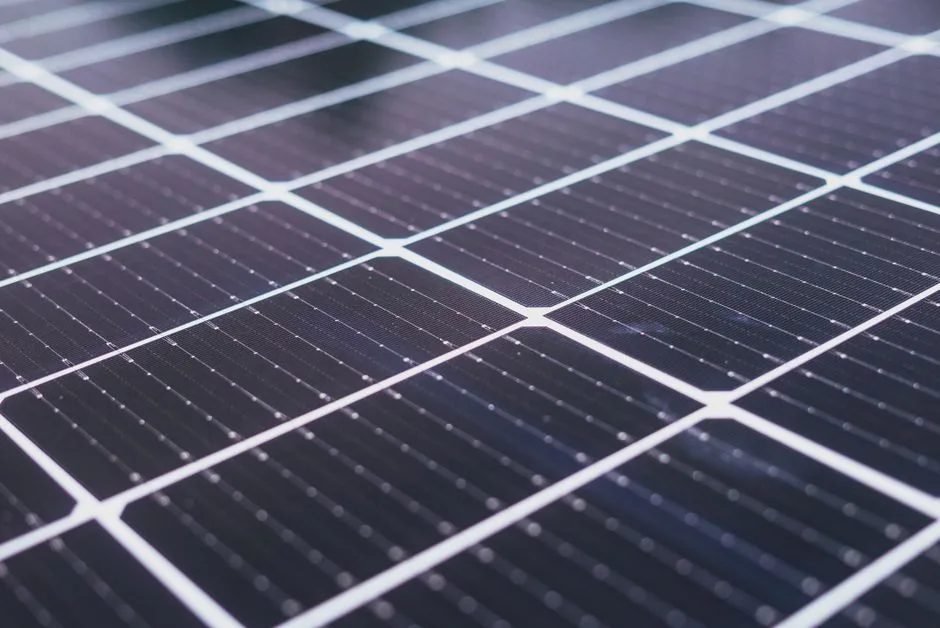
Choosing sleek mounting options
When you scale solar panels for a stylish home, the mounting system matters as much as the panels themselves. Look for low-profile rails and slim rails that hug the roof line without creating visual clutter. Consider color-matched components to blend with the eaves and gutters, so the installation reads as deliberate design.
Match hardware finishes to your home’s exterior palette to minimize contrast. A consistent look across fixtures, from vents to skylights, helps the roof feel intentional rather than engineered. If you’re unsure, request a design render to preview the final appearance.
Selective placement can preserve architectural traits. Avoid clutter by aligning panels along existing roof lines and spacing them to echo window rhythms or dormers. A thoughtful layout elevates curb appeal while delivering power.
- Choose low-profile mounts
- Color-match components
- Ask for a visual render
- Align with roof rhythm
Integrating with home energy systems
Connecting inverters and storage
A growing solar system often pairs with a home battery or smart inverter to smooth power use. Decide whether you want whole-house backup or daytime-only generation, then choose equipment that communicates with a mobile app. This keeps you informed without manual energy guessing.
Plan for monitoring that translates to fashionably simple dashboards. Clear graphs and alerts help you spot spikes in usage that may waste energy. A tidy interface can feel like a well-organized wardrobe app.
Coordinate with your existing electrical panel to avoid overloads and ensure safety. A certified electrician should verify load calculations and interconnect approvals. Smooth integration reduces the risk of nuisance trips and improves reliability.
- Evaluate storage needs
- Choose compatible inverter
- Set up clear dashboards
- Get professional electrical review
Local codes and safety considerations
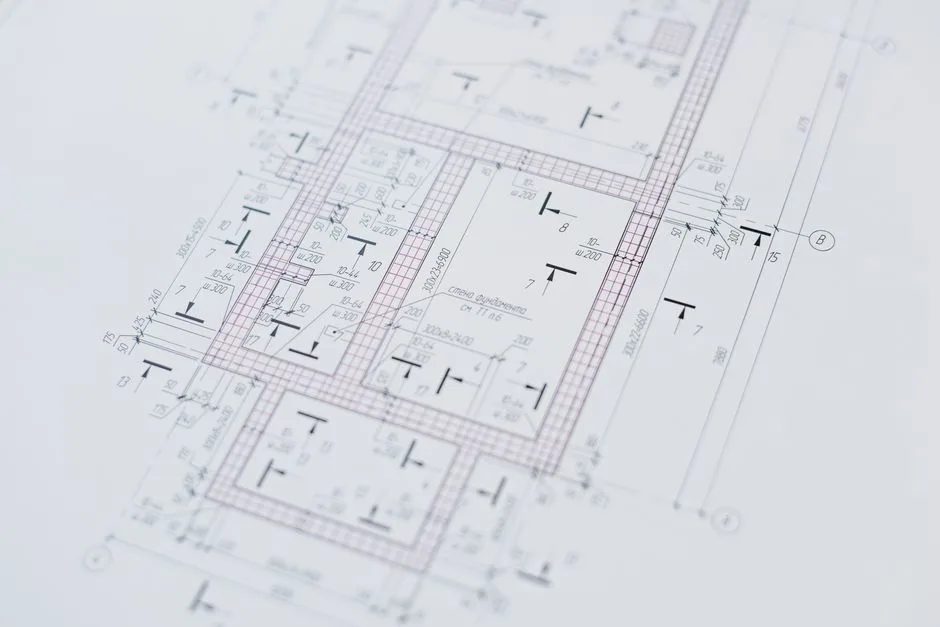
Permits and compliance basics
Before any expansion, check local permitting requirements and utility interconnection rules. Failing to obtain approvals can lead to fines or forced removal of equipment. Start with your city’s building department and your utility’s interconnection process.
Keep safety at the forefront with proper clearances and electrical labeling. Adequate spacing around wiring and inverters reduces fire risk and makes future inspections easier. Documentation of system changes speeds inspections.
Schedule inspections at key milestones to avoid delays. Having your plans on file helps when you sell the home or upgrade later. A well-documented project translates into fewer headaches and clearer maintenance.
- Check permits
- Follow interconnection rules
- Maintain proper clearances
- Document changes
Smart monitoring and fashion-friendly usage
Reading data with style
A stylish solar setup isn’t just about looks; it hinges on usable data. Use dashboards that highlight daily production, storage levels, and consumption in clear, color-coded charts. This helps you align fashion-forward living with energy choices.
- Install a user-friendly monitoring app
- Customize color codes for quick reading
- Set daily goals and notifications
- Review performance monthly
Design your routines around peak production moments. For example, run high-energy tasks during sunny hours and rely on stored energy at night. A calm, predictable pattern feels almost effortless.
Protect the system with simple, practical safeguards. Keep firmware up to date and set alerts for unusual activity. The goal is reliable power with minimal hassle.
- Use clear dashboards
- Schedule around peak sun
- Maintain system with updates
- Set practical alerts
Frequently asked questions
Do I need a permit to expand a solar system at home?In most places, expanding a solar system requires at least a permit and a utility interconnection agreement. The process varies by locality, so start with the city or county building department and your utility. A clear plan reduces delays and keeps your project on track.
Is battery storage worth it for style-conscious homes?Storage adds flexibility and can smooth daily energy use, which helps with comfort and reliability. If you mostly use power during the day, a smaller storage option may suffice, while larger setups support more resilience during outages.
How should I choose mounting hardware for aesthetics?Prioritize low-profile mounts and finishes that match the home’s color. A professional can provide a render showing how the hardware will read from the curb, helping you balance function and curb appeal.
What maintenance matters after expansion?Perform routine panel cleaning, check wiring labeling, and keep firmware up to date on inverters. A simple annual check with a qualified technician ensures ongoing safety and efficiency.
Next steps for stylish energy growth
With a clear plan, you can expand energy capability while preserving your home’s character. Start by assessing permits, aligning with your designer, and choosing discreet hardware that complements existing details.
Then set up a straightforward monitoring routine and review performance regularly to keep usage aligned with your lifestyle and fashion sensibilities.
For a deeper understanding of this topic, Aydın müstakil ev güneş enerjisi sistemi offers valuable insights worth exploring.
Readers interested in this subject may also want to explore Practical fashion guide: Eco-friendly charging for for additional perspectives.
If you enjoyed this article, we recommend checking out From Rochdale to Runway: Fashion Tips for further reading.
Add Bed Design Ideas & Styles as a preferred source on Google


