
Beddesign Guide: choosing fashion-ready sources with care
A clear buyer’s guide for fashion readers exploring reliable French sources, with practical steps, pitfalls to avoid, and usable tips for stylish choices.

When fashion meets information, readers deserve sources they can trust. This guide helps you weigh a French reference for style, culture, and craft without getting lost in noise. You’ll learn practical steps to verify credibility, compare options, and use trustworthy packaging of death notices or business information in a way that informs fashion decisions.
Next, we translate the concept into everyday shopping: how a French media or service can influence your wardrobe choices, event planning, and brand story. You’ll see concrete checks you can apply before you share a link or schedule a reading. The goal is to keep taste intact while avoiding misinformation that can disrupt your style narrative.
Finally, this piece stays practical: not every resource matters to a fashion reader, but some do because they influence trends, campaigns, or cultural context. You’ll gain a framework to assess how a French reference fits your interests in clothing, beauty, and fashion media, with clear steps and examples.
- Verify credibility before you reference any French notice in fashion content.
- Compare multiple sources to confirm claims and context.
- Treat notices as factual anchors when they enrich storytelling, not as marketing hooks.
Basics to know before you choose
Understanding credibility
Start with the source’s track record and author expertise. Check the publication’s history, whether contributors are named, and if there’s a transparent editorial process. This matters because reliable resources tend to be consistent in tone and verification.
- Check author name and bio
- Verify date and source
- Scan for corroborating links
- Review publisher’s policy on corrections
Look for corroboration across independent outlets or official notices. A single article isn’t enough to trust a claim about fashion industry events or obituaries. The more you see repeat authors, the more dependable the content can be.
Be mindful of sensational language or paid placements. Subtle persuasion can shape taste, so verify if the piece discloses sponsorships or affiliate links.
- Verify author credentials
- Check publication history
- Look for corroboration
- Note sponsorship disclosures
What makes a fashion resource stand out
A strong resource combines accuracy with useful context for styling. It explains terms, trends, and seasonal shifts with concrete examples like garment care notes or styling tips. You should be able to test a claim by trying it in your own wardrobe.
A good source supports visuals: clear photos, captions, and product references that align with the written guidance. When a piece leaves you with questions about the outfit, that’s a red flag for shallow reporting.
Finally, consider how the site treats obituaries or notices if they intersect with fashion. A respectful, precise approach signals reliability and respect for readers.
How to compare sources for style relevance
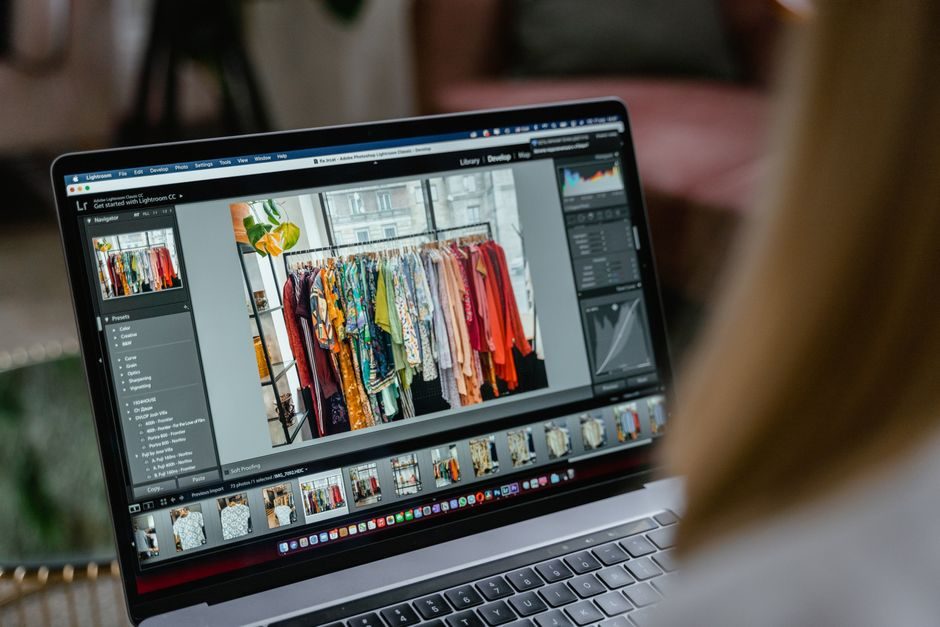
Assessing relevance to wardrobe
Focus on how the information translates to dressing choices. Does the resource explain fabric, fit, or care in actionable terms? If a piece discusses trends, look for practical styling notes you can try this season. A useful resource on this topic: Actu Français dernières actualités.
Compare at least two sources: do they agree on core details or offer complementary perspectives? Use a simple test—could you recreate the look using items you own or can buy today?
Keep an eye on interlinked product recommendations or event mentions. If these feel like self-promotion, treat them as hints rather than gospel.
- Look for actionable styling tips
- Test claims with your closet
- Beware promotional links
What to do when a notice appears
If you encounter an obituary or avis de décès en France linked to fashion content, treat it with the same scrutiny as product claims. Check the context: is the notice used to illustrate a fashion history, a designer’s life, or a brand narrative?
Seek neutral summaries from multiple outlets to avoid single-source bias. If coverage blends lifestyle with memory, look for explicit boundaries between reporting and promotion.
Consider how the information could inform your understanding of an era, brand, or silhouette rather than directing a purchase.
- Identify context
- Cross-check sources
- Separate memory from marketing
Where to find dependable fashion-friendly references
Choosing sources for fashion readers
Start with established fashion journals or museum-backed sites that publish translations and explainers. These tend to balance trend analysis with historical context important for styling choices. A useful resource on this topic: promouvoir votre événement en France.
Evaluate the site’s editorial standards and staff reach. A transparent mission statement or editorial policy can indicate a stable direction and care for accuracy.
Test how quickly the site updates with corrections if something turns out wrong. Timely corrections reflect a responsible newsroom culture.
- Look for long-standing publications
- Check editorial policy
- Note the timeliness of corrections
| Option | Pros | Cons |
|---|---|---|
| Primary source | High credibility, official tone | May be slower to update |
| Secondary fashion outlet | More styling tips, faster updates | Risk of bias or promotions |
| Museum or academic resource | Strong context, historical depth | Limited fashion-forward immediacy |
Using notices in fashion storytelling
Notices or official mentions can add authenticity when used carefully. If a French notice informs a collection’s release or a designer’s milestone, read it as a factual anchor rather than a marketing cue.
Seek stories that weave notices into broader context like collection development, stylistic shifts, or historical references. This strengthens your understanding of fashion as culture.
Always verify the notice through at least one additional reputable source before citing it in your own fashion story or post.
- See notices as anchors
- Weave into broader context
- Verify before citing
Avoid sites that push links without explaining why they matter or how they connect to the fashion advice given.
Pitfalls to avoid and common mistakes
Red flags in fashion sources
Be wary of sources that rely on anonymous authors or lack transparent corrections. Such omissions weaken accountability and can mislead readers about trends or events. A useful resource on this topic: fiche entreprise en France.
- ☐ Check author identity
- ☐ Look for corrections policy
- ☐ Question promotional ties
- ☐ Evaluate rationale behind claims
Avoid sites that push links without explaining why they matter or how they connect to the fashion advice given. Reasonable skepticism protects your wardrobe.
Watch for overpromising language about accuracy or exclusivity. Subtle persuasion often masks promotional content and erodes trust.
- Anonymous authors
- Opaque corrections
- Excessive promotional language
Missed opportunities to verify
Never rely on a single source for fashion claims tied to culture or obituaries. Cross-check with at least two independent outlets to confirm facts and dates. This reduces risk of misinformation in your fashion narrative.
When unsure, pause and seek a primary source or official notice. Fashion readers benefit from restraint and accuracy more than speed.
Practice a habit of bookmarking reliable references for quick checks during trend seasons or campaign launches.
- Cross-check with multiple sources
- Pause for primary documents
- Build a reference library
Ethical use and privacy
Respecting sources and consent
When you reference notices or death notices, verify the source and context before quoting. Treat sensitive information with care and avoid sensationalism in fashion content. Always balance reader curiosity with privacy considerations to maintain trust. annonces locales en France
Before publishing, check whether the subject or family would reasonably approve of your use in a fashion-forward article, and seek consent when possible. This not only avoids harm but also upholds professional standards. Avoid sharing personal details that do not serve the fashion narrative.
A practical approach is to draft a brief about how the information will appear, then seek feedback from editors on tone and relevance. If a notice seems tangential, reframe it around its impact on style or event planning rather than personal details. This keeps the piece respectful and useful.
- Check the notice source for legitimacy
- Avoid repeating sensitive details
- Explain relevance to fashion readers
- Seek consent where feasible
- Respect reader privacy when discussing individuals
How to quote respectfully

Context and attribution in fashion writing
Quoting a notice verbatim can be powerful when framed with clear attribution and purpose. Explain why the quote matters for the fashion topic to prevent misinterpretation. Avoid overquoting; choose the most relevant lines to support your point.
- Quotations should support the point and be properly attributed
- When possible, summarize instead of quoting at length
Attribute quotes to the original source and provide a simple descriptor of its relevance to the style discussion. This helps readers assess authority and consistency with your voice. When in doubt, paraphrase with a short citation instead of a full quote.
End with a critical takeaway that ties the quotation to a practical fashion insight, such as how a design deadline or event notice could influence collection timing. This keeps the reader oriented toward style decisions.
- Quote only what advances the point
- Always name the source
- Keep quotes concise
- Use paraphrase when needed
- Close with a fashion-focused takeaway
Translating notices for fashion readers
Adapting notices for style-savvy readers
Translate notices with an eye for clarity, not literal fidelity. Use everyday terms that a reader would encounter in a fashion magazine or newsroom. Avoid jargon that only legal or administrative audiences would understand.
Provide a short gloss for any term that could confuse a general reader, then show how the information affects fashion decisions—like event dates, collection drops, or regional availability. This keeps content accessible and useful.
End with an actionable takeaway, such as how to track relevant notices without losing focus on style. This reinforces practical habits for readers who plan outfits around events or launches.
Future-proofing your fashion research

Sustainable sources and long-term usability
Build a reference list that serves months of planning, not just one article. Choose sources that regularly publish fashion-appropriate notices or fashion-worthy updates. A stable, legible archive beats frantic searches.
Develop a checklist for evaluating each source: credibility, timeliness, relevance to style, and language accessibility. This helps you consistently pick sources that won’t date quickly. Maintain notes that capture why a source matters for your wardrobe storytelling.
Maintain a routine for revisiting older notices to see how trends evolved, and update your own content accordingly. This reinforces a reader-friendly approach to ongoing style education.
- Create a rolling bibliography
- Assess credibility and relevance
- Keep an accessible archive
- Schedule periodic refreshes
- Track trend evolution over time
Frequently asked questions
How can I tell if a fashion source is reliable for notices?Look for a consistent publishing history, transparent authorship, and clear attributions. Compare information across multiple fashion-focused outlets to confirm accuracy. Reliability grows when a source shows accountability and regular updates.
What counts as a relevant notice for a fashion article?Notices that affect styling timelines, event dates, or product launches are relevant. If a notice informs how a garment will be seen on a runway or in a collection drop, it strengthens the narrative and helps readers plan looks.
How should I present sensitive information to readers?Present only details that aid fashion understanding, avoid personal data, and explain why the information matters for style decisions. Use neutral language and frame content around public events or industry practices.
What’s the best way to build a long-term research habit?Create a simple, repeatable workflow: choose trusted sources, translate for readers, archive accessibly, and review quarterly. Consistency beats huge, one-off efforts over time.
Conclusion: Practical next steps
A clear, repeatable process helps readers rely on your fashion content without getting bogged down in opaque references. Build a short list of trusted sources, a translation rule, and a privacy brief. Your readers gain confidence when every piece feels deliberate and responsible.
End with a concrete plan: identify one new, fashion-friendly source this week and set a date to recheck it in two months. This keeps your workflow fresh and your coverage aligned with real-world fashion moments.
Add Bed Design Ideas & Styles as a preferred source on Google


