
Art Deco Website Examples: A Fashion Reader’s Guide to Style Finds
Discover how art deco website examples inspire fashion design, merchandising, and mood boards. Practical tips for integrating deco motifs in clothing and stylin

Are you looking for art deco website examples that actually inform your wardrobe choices? This explainer walks you through what to seek online, why deco motifs matter in fashion, and how to translate those ideas into outfits, accessories, and editorial styling. You’ll learn to spot clean lines, bold geometry, and luxe textures that translate from screen to street.
From there, you’ll see how to curate visuals that echo deco glamour without tipping into costume. We focus on practical cues—color palettes, fabric finishes, and silhouette cues—that fashion readers can borrow for the next lookbook or photoshoot. The aim is usefulness, not nostalgia, with concrete steps you can apply today.
Finally, you’ll get a simple checklist for evaluating deco-forward sites: quality imagery, consistent typography, and genuine design context that ties art to wearability. This makes deco-inspired content easier to reference when planning outfits, slides, or product launches.
- Deco website examples offer clean geometry, strong contrasts, and luxe finishes that translate to fashion visuals.
- Look for visuals with symmetry, repeated patterns, and architectural lighting to guide styling choices.
- Apply deco cues by anchoring outfits with solid pieces, then layering with texture and metallic accents.
Basics of Deco Influence
Key visual traits
Begin with symmetry, bold lines, and geometric forms. Deco motifs translate into streamlined silhouettes and architectural jewelry in fashion styling. Look for repeated chevrons, stepped forms, and metallic accents that feel timeless rather than trendy.
When you search for examples, notice how color is handled: restrained palettes with high contrast often signal a clean deco approach. These cues help you build cohesive outfits rather than a random mix.
Deco-inspired visuals are strongest when they feel deliberate. A well-chosen motif should reinforce an overall look, not distract from it.
- Symmetry and clean lines
- Geometric patterns as embellishment
- Metallic accents for lift
- Muted palettes with strong contrast
- Repetition for rhythm
Deco in practical styling
Practical deco styling blends archival influence with modern wearability. Pair a geometric print with a solid base to avoid visual overload. Accessorize with angular metal jewelry or a structured bag to echo the look without shouting it.
Texture matters: combine satin, velvet, or lacquered surfaces to mimic the tactile feel of deco interiors. The result is outfits that read luxe in person and on camera.
Develop a mood board using Deco Art website visuals to guide your color stories and fabric CROPS for shoots or lookbooks.
- Use a solid anchor piece
- Layer textures for depth
- Choose angular accessories
- Create a cohesive color story
- Reference real deco architecture for framing
How Deco Signals in Fashion
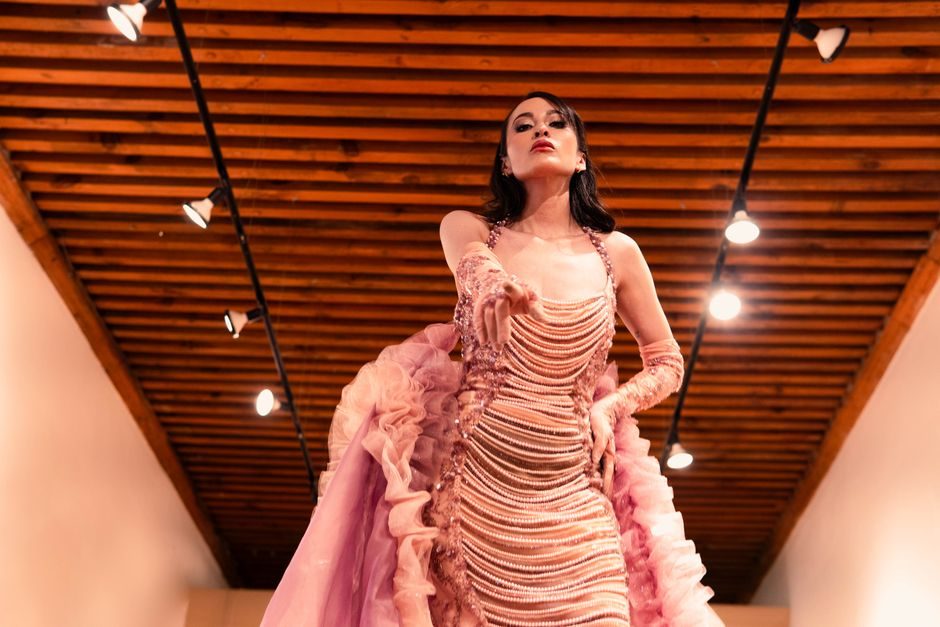
From wall art to wardrobe
Art deco cues move from walls to wardrobes through lines and shapes. A jacket with stepped shoulders or a dress with chevron seams can echo deco architecture. The key is keeping the silhouette modern and comfortable. Local events in the USA this week can provide additional inspiration for deco-themed fashion happenings.
In photoshoots, deco echoes appear as set design that harmonizes with wardrobe choices. Matching the mood of the environment helps the entire look feel intentional rather than borrowed.
Use deco-inspired geometry to frame poses and composition, guiding the eye across a look rather than simply decorating it.
- Geometry guides silhouette
- Decorative seams and panels
- Styled shoots with cohesive sets
- Contrast to highlight shapes
- Avoid over-embellishment
Color and finish choices
Deco color stories favor high-contrast intakes—cream and ebony, or champagne with black—acting as a lens for the whole collection. This approach keeps outfits sharp on both screen and runway.
Metallic trims, lacquered surfaces, and glossy fabrics mimic deco’s luxurious feel without overpowering the wearer. Use finishes to add dimension where color alone would fall flat.
Test swatches in different lights to ensure the deco effect translates from studio to street, preserving the look’s integrity in real-world wear.
- High-contrast palettes
- Metallic and lacquered finishes
- Lighting matters for finish
- Test in daylight vs. artificial light
- Keep it wearable and modern
Options for Deco-Forward Imagery
Editorial vs product focus
Editorial deco visuals tell a story, while product-focused shots emphasize texture and form. For fashion readers, both matter: editorials inspire styling choices; product shots guide how to recreate the look with items in the wardrobe. Add your business listing in the USA if you’re showcasing deco-inspired fashion services.
When curating visuals, balance architectural backdrops with close-ups of textiles and tailoring. This helps readers translate design cues into practical outfits.
Use consistent styling rules so the Deco influence remains recognizable across images without feeling repetitive.
- Editorial storytelling
- Texture and tailoring close-ups
- Consistent deco cues across frames
| Option | Pros | Cons |
|---|---|---|
| Editorial approach | Story depth and context | May require more planning and time |
| Product-focused | Clear texture and craft | Less narrative impact |
| Balanced approach | Cohesive and practical | Needs careful curation |
Where to find deco-ready sources
Seek image libraries that feature architecture, interiors, and fashion with clear geometric motifs. Abstract art, tilework, and period details can translate into surface patterns for fabrics and accessories.
Study how black-and-white or limited color palettes are handled to maintain readability when applied to clothing. The goal is to borrow structure, not replicate ornament.
Keep a running list of deco-leaning textures you see—lacquer, velvet, glass—and map them to garment finishes for quick reference.
- Architectural imagery
- Texture references
- Palette discipline
- Texture-to-fabric mapping
Pair a geometric printed top with clean, tailored bottoms to avoid visual overload.
Ways to test deco concepts in your wardrobe
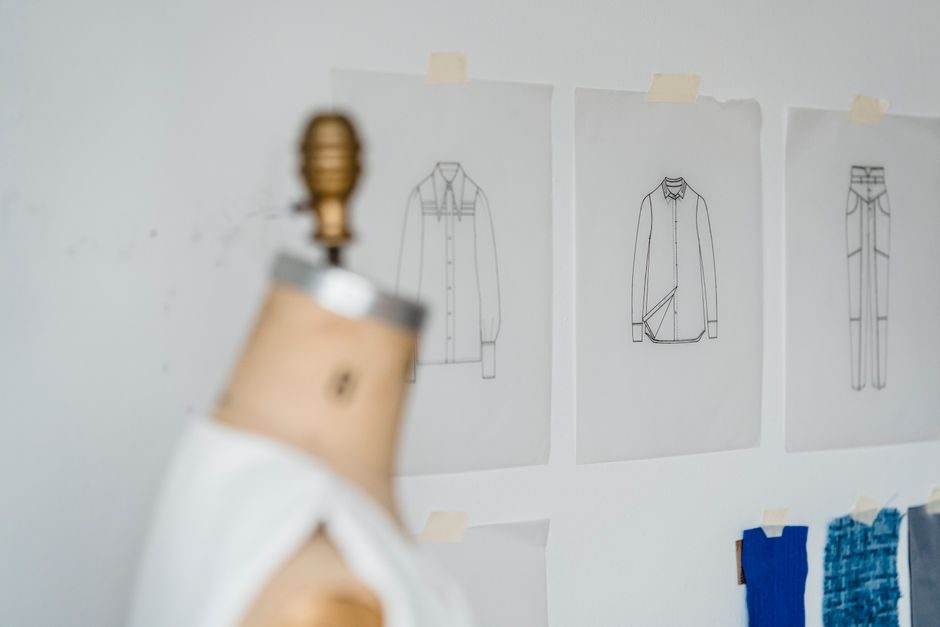
Wardrobe experiments for Deco influence
Start with a single deco-influenced piece and build around it with complementary textures. Choose colors that echo classic Deco palettes—shades of black, white, cream, and metallic accents—and see how they read on you in sunlight and indoors. Try rotating accessories to measure how much impact a statement piece actually has on your overall silhouette. USA classified ads can help connect readers with deco-themed fashion pieces.
- Choose one Deco element (geometry, symmetry, or metallic sheen).
- Pair with neutral garments to test readability.
- Note how often you reach for the Deco item in a week.
A practical test is mixing bold lines with simplified shapes. Pair a geometric printed top with clean, tailored bottoms to avoid visual overload. If you feel crowded by patterns, swap a loud scarf for a sleek belt with a sunburst buckle.
Observe how fabrics change the mood of Deco motifs. Satin or silk adds glamour, while matte cotton keeps it modern. Record one outfit daily for a week to notice which combinations feel timeless instead of trendy.
- Start small with one Deco-inspired item
- Balance bold patterns with solid basics
- Test lighting to see color and texture impact
- Track outfits to spot lasting favorites
Common deco motifs in streetwear
Motifs that translate to urban wear
Geometric grids and fan shapes translate well to logos and fabric prints without losing their architectural feel. Start with a graphic tee or cap that nods to Deco symmetry and pair it with oversized silhouettes to keep streetwear balance. The key is to maintain a sense of order amid bold graphics. funeral notices in the USA
Layering helps Deco motifs read as intentional design rather than novelty. Use a structured jacket over a soft hoodie, letting metallic accents peek from under sleeves or hems. This creates a modern, wearable contrast that feels deliberate rather than gimmicky.
Choose accessories that echo Deco geometry—sharp earrings, sunburst brooches, or cuff links with stepped patterns. These accents should complement the outfit, not compete with it. If the motif starts to dominate, switch to simpler jewelry and let one piece shine.
- Use geometric prints sparingly
- Combine structured with relaxed pieces
- Add metallic touches for depth
- Keep accessories minimal and intentional
DIY deco-inspired styling tips
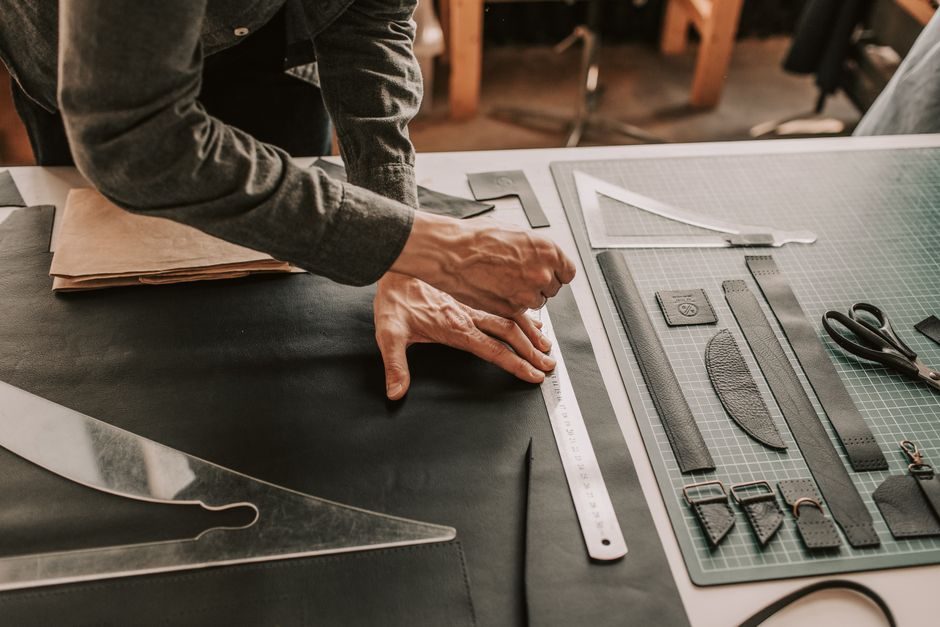
Hands-on ways to style Deco
Begin with a simple DIY: paint a hem or stitch a subtle sunburst motif onto a denim jacket. Small, careful details read as crafted and thoughtful, not costumey. This approach invites a personal touch that fashion readers value.
- Select a small area to decorate first.
- Choose a color that matches existing wardrobe staples.
- Finish with a protective sealant or stitch for durability.
- Wear the piece to test how the Deco detail reads in real life.
Experiment with metallic threads or foil accents on a tote or belt. The finish should be understated enough to pair with multiple outfits, not a shiny distraction. It’s about artful restraint that elevates daily wear.
Document the making process with clean photography to guide others. A short set of photos or a quick video can show the style evolution clearly, making the Deco idea feel accessible rather than intimidating.
- Choose one project per month
- Maintain neat, quality finishing
- Showcase progress with clear visuals
Avoiding deco overkill for fashion
How to keep Deco chic, not loud
When Deco elements proliferate, the look can feel busy and dated. Limit bold motifs to one focal item per outfit and keep other pieces streamlined. This restraint helps the Deco voice stay confident rather than shouting at the observer.
Contrast is your friend: pair a Deco centerpiece with minimal textures and muted tones. This balance makes the reference clear without overwhelming the sense of style. If you’re unsure, remove one item and reassess the outfit’s energy.
Consider the setting and audience. Deco-inspired fashion works best in curated looks or creative work environments where detail is appreciated. For everyday wear, lean on clean lines and a single deco accent to maintain versatility.
- Limit motifs to one focal item
- Use contrast with simple fabrics
- Match the setting to the look
- Prioritize versatility over novelty
Frequently asked questions
What defines Art Deco in fashion today?Art Deco in fashion today blends strong geometric lines, symmetrical forms, and metallic accents with modern fabrics. The look often appears as crisp tailoring, precise prints, or jewelry that uses stepped, sunburst, or chevron motifs. The goal is a sense of architectural calm paired with a touch of glamour.
Can Deco influence be applied to all wardrobe types?Yes. Start by identifying a single Deco element that suits your style—grid patterns, sunburst accents, or bold symmetry. Apply it to one item at a time, testing how it changes silhouettes, colors, and overall mood. The effect should feel deliberate, notForced.
What common mistakes undermine Deco styling?Overloading an outfit with multiple Deco motifs can look busy. The fix is to pick one motif as the anchor and keep other pieces simple. Also avoid shiny finishes on every piece; mix textures to preserve depth without glare.
How do I photograph Deco-inspired looks?Focus on clean light and a simple background to let geometry stand out. Shoot close-ups of any crafted details, then full looks to show balance. Consistent lighting helps the motifs read clearly across outfits.
Conclusion: Deco as a fashion ally
Art Deco styling works best when it feels intentional and refined. Start with one motif and test it across different textures to see how it transforms your wardrobe. The most successful looks marry architectural detail with everyday wear, so choose pieces that you will actually reach for.
A practical next step is to pick a Deco-inspired item and build an outfit around it for a week, noting which combinations feel timeless and which spark novelty but fade quickly. This approach keeps your closet coherent while allowing room for experimentation, and it helps you spot the Deco voice that truly suits you.
Add Bed Design Ideas & Styles as a preferred source on Google


