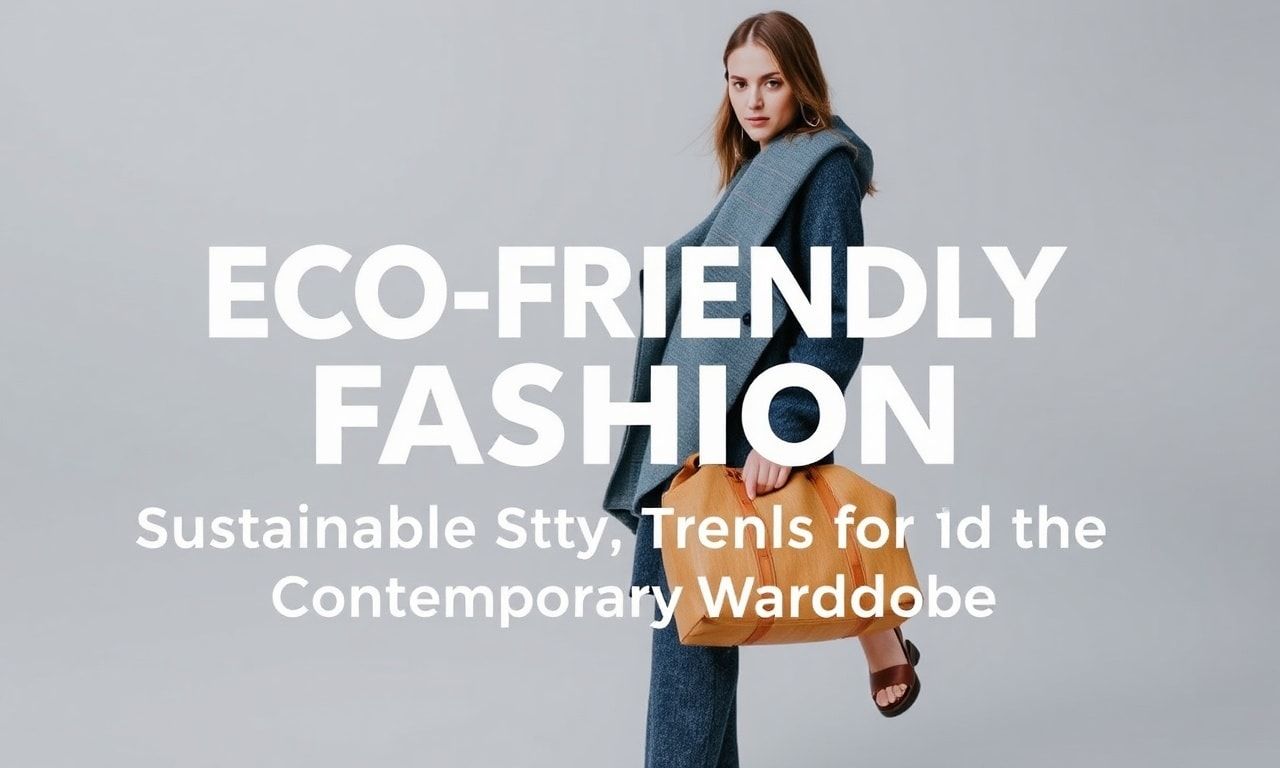
Introduction to Sustainable Fashion
In an era where environmental consciousness is at the forefront of global conversations, the fashion industry is undergoing a significant transformation. Sustainable fashion, often referred to as eco-fashion, is not just a trend but a movement towards ethical and eco-friendly practices. This shift is driven by a growing demand for transparency, sustainability, and responsibility from consumers who are increasingly aware of the environmental impact of their purchasing decisions.
The Rise of Sustainable Materials
One of the most notable changes in the fashion industry is the adoption of sustainable materials. Designers and brands are increasingly turning to organic cotton, recycled polyester, and innovative fabrics like Piñatex, a leather alternative made from pineapple leaves. These materials not only reduce the environmental footprint but also offer unique textures and qualities that cater to the discerning tastes of modern consumers.
For those looking to explore the great outdoors while maintaining their commitment to sustainability, activities like mountain biking on eco-friendly trails can be a perfect complement to a sustainable lifestyle. For instance, Türkiye’nin en iyi dağ bisikleti rotaları offers some of the best routes for an adventurous yet environmentally conscious experience.
Innovative Fabrics and Their Benefits
Innovative fabrics are at the heart of sustainable fashion. Brands are experimenting with materials like Tencel, made from eucalyptus trees, and recycled nylon, which significantly reduce water usage and chemical pollution. These fabrics are not only better for the planet but also offer superior comfort and durability, making them a favorite among fashion enthusiasts.
Ethical Fashion: The Human Factor
Sustainable fashion is not just about the environment; it’s also about people. Ethical fashion ensures fair wages, safe working conditions, and respect for workers’ rights. Consumers are increasingly seeking out brands that prioritize ethical practices, knowing that their purchases contribute to a more just and equitable world.
Transparency and Traceability
Transparency and traceability are key components of ethical fashion. Brands that provide detailed information about their supply chains and manufacturing processes build trust with consumers. This transparency allows consumers to make informed decisions and support brands that align with their values.
Minimalism and Capsule Wardrobes
Minimalism and capsule wardrobes are gaining popularity as consumers seek to simplify their lives and reduce waste. A capsule wardrobe consists of a curated selection of versatile, high-quality pieces that can be mixed and matched to create a variety of outfits. This approach not only reduces the need for constant shopping but also encourages a more mindful and intentional way of dressing.
Tips for Building a Capsule Wardrobe
Building a capsule wardrobe starts with identifying your personal style and selecting pieces that reflect it. Opt for neutral colors and classic designs that can be easily combined. Invest in high-quality, durable items that will last for years, and consider second-hand or vintage options to reduce environmental impact.
The Future of Sustainable Fashion
The future of sustainable fashion looks promising, with advancements in technology and a growing awareness among consumers. Innovations such as biodegradable fabrics, 3D-knitting, and AI-driven design are paving the way for a more sustainable and efficient fashion industry. As consumers continue to demand transparency and sustainability, brands will be compelled to adopt more ethical practices and innovative solutions.
Embracing sustainable fashion is not just a choice but a responsibility. By making conscious decisions about what we wear, we can contribute to a healthier planet and a more equitable world. Whether it’s through choosing eco-friendly materials, supporting ethical brands, or adopting a minimalist approach to fashion, every step counts in the journey towards sustainability.